ECO-3919 · REV R · effective September 30, 2026
Vehicle Plants & ProductionRELEASEDEngineering notice
Stellantis lifts Italy output 13.7% in first half, union data show
Stellantis built 13.7% more vehicles in Italy in the first half versus a year earlier, union figures show — a demand signal for the country's dense supplier base around Turin and Naples.
Scope of change
- Stellantis Italy vehicle production rose 13.7% in the first half year-on-year, according to union figures.
- The tally comes from a labor union, not the automaker, as Stellantis does not routinely publish country-level output.
- Italian output levels remain a point of dispute between Stellantis, unions and the Italian government.
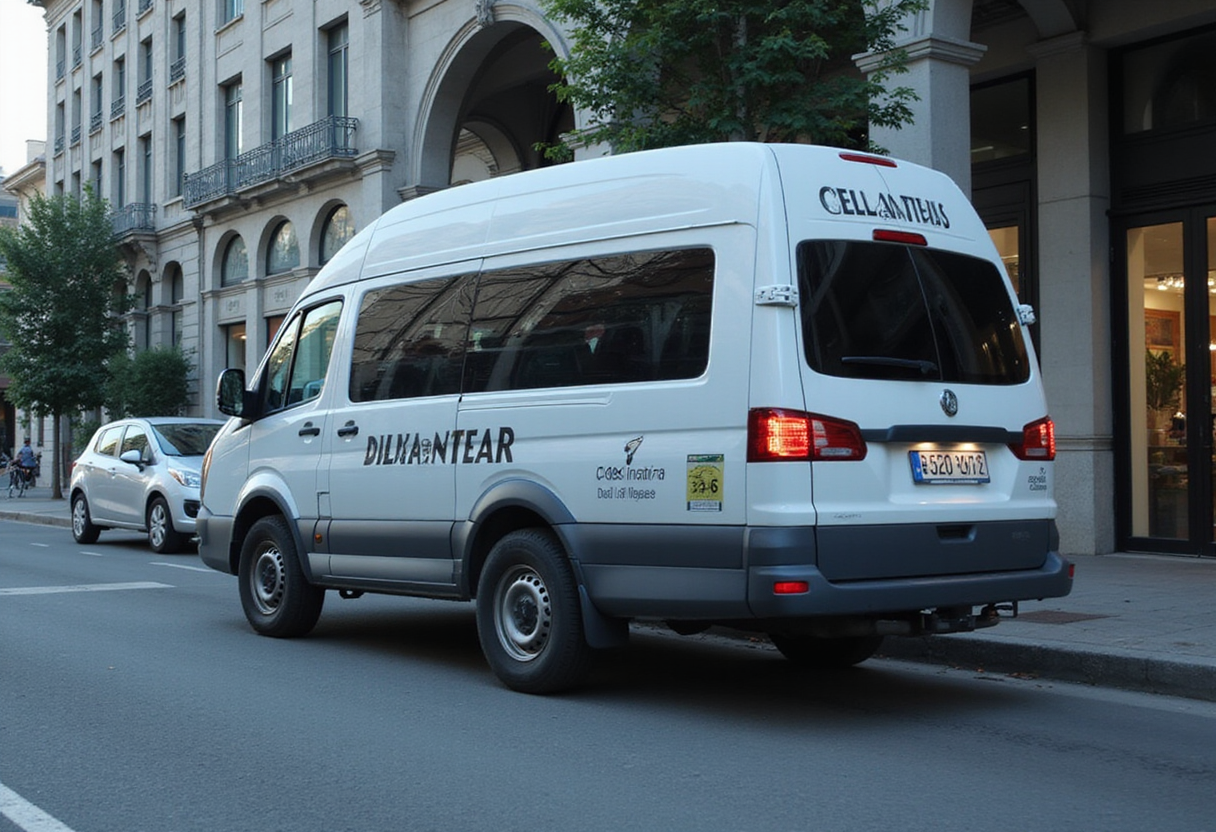
Stellantis produced 13.7% more vehicles in Italy in the first half of the year than in the same period a year earlier, according to figures reported by a union that tracks output across the automaker's Italian plants.
The half-year comparison is the hardest number available, and it comes with an important qualifier: the source is a labor organization, not the company itself. Stellantis does not routinely publish granular country-level output data, so trade unions — chiefly the metalworkers' affiliates that represent plant workforces — have become the de facto statistical record for Italian production. Their figures are widely cited by Reuters and other outlets and have historically proven reliable when checked against annual totals, but they remain third-party counts of a manufacturer's own operations.
The 13.7% increase marks a shift in direction for Stellantis's Italian footprint, which has spent years as the weak spot in the company's European industrial base. Plants at Mirafiori near Turin, Pomigliano d'Arco near Naples, Termoli, Atessa and Melfi have all faced stretched or idled lines at various points as demand for some models softened and the company weighed where to allocate future product. Against that backdrop, a double-digit half-year gain is a meaningful swing — though a single six-month figure does not establish a trend, and the comparison base matters. A 13.7% rise off a weak first half of the prior year signals recovery, not necessarily sustained capacity utilization.
Context makes the number politically weighty. Italian output levels are a running dispute between Rome and the automaker. The Italian government has pressed Stellantis to honor volume commitments at domestic plants, and unions have used production tallies to argue for model allocations and job protections. Every half-year figure, positive or negative, feeds directly into that negotiation. A 13.7% gain strengthens the company's hand in those talks; the counterargument from workforce representatives will focus on whether the increase reflects new programs or simply inventory and temporary demand effects.
For suppliers, the direction matters more than the precision. Italy hosts a dense Tier 1 and Tier 2 base serving Stellantis — stamping, interiors, powertrain components and logistics operations clustered around the assembly sites in Turin, Naples and the south. Volume recovery at the OEM level typically flows through to call-off quantities at those suppliers with a lag of weeks, not quarters. Suppliers with Italian tooling or dedicated lines for Stellantis programs will read the union figure as an early demand signal, while treating it as a claim to verify against their own release schedules rather than a confirmed production plan.
What the headline number does not reveal is equally important. The union tally, as reported, does not break out the increase by plant, by model or by powertrain. Whether the gain sits in high-volume B-segment lines, commercial vehicles, or lower-volume premium output changes the read on utilization at specific sites. It also does not say how the second half is tracking, or whether the comparison benefited from downtime, changeovers or weak prior-year volumes at particular factories.
What to watch next: the union's full-year figure, which will show whether the first-half pace holds; any Stellantis statement on Italian production plans or model allocations, particularly for Mirafiori and Pomigliano; and the Italian government's response, since output commitments remain the currency of the ongoing industrial-policy standoff between Rome and the automaker.
via Google News: Auto plant and vehicle production (Source)
More from Marcus Bennett
Show full bio
News editor covering marketplaces and e-commerce at Autoplant Brief.
86 articles
Also circulated
- Stellantis to Pause Production Temporarily at Several French Plants
- Stellantis CEO Casts US Auto Industry as Standing Alone
- Stellantis Reported To Be Planning Sale Of Ontario Plant
- Stellantis Halts EV Output at Three French Plants on ACC Battery Shortages
- Stellantis executive sees little path back to zero USMCA tariffs