ECO-6259 · REV D · effective September 30, 2026
Industry Analysis & MarketsRELEASEDEngineering notice
Stellantis CEO Casts US Auto Industry as Standing Alone
Stellantis' chief executive says the US auto industry now competes against everyone else, a framing that signals how the multi-region OEM will allocate US plant investment.
Scope of change
- Stellantis CEO described the competitive situation as the US auto industry against everyone else
- Stellantis operates plants in both the US and Europe/South America, giving it dual exposure to any US-vs-rest competition
- The remark signals how the OEM may allocate future model programs and capacity across its US assembly footprint
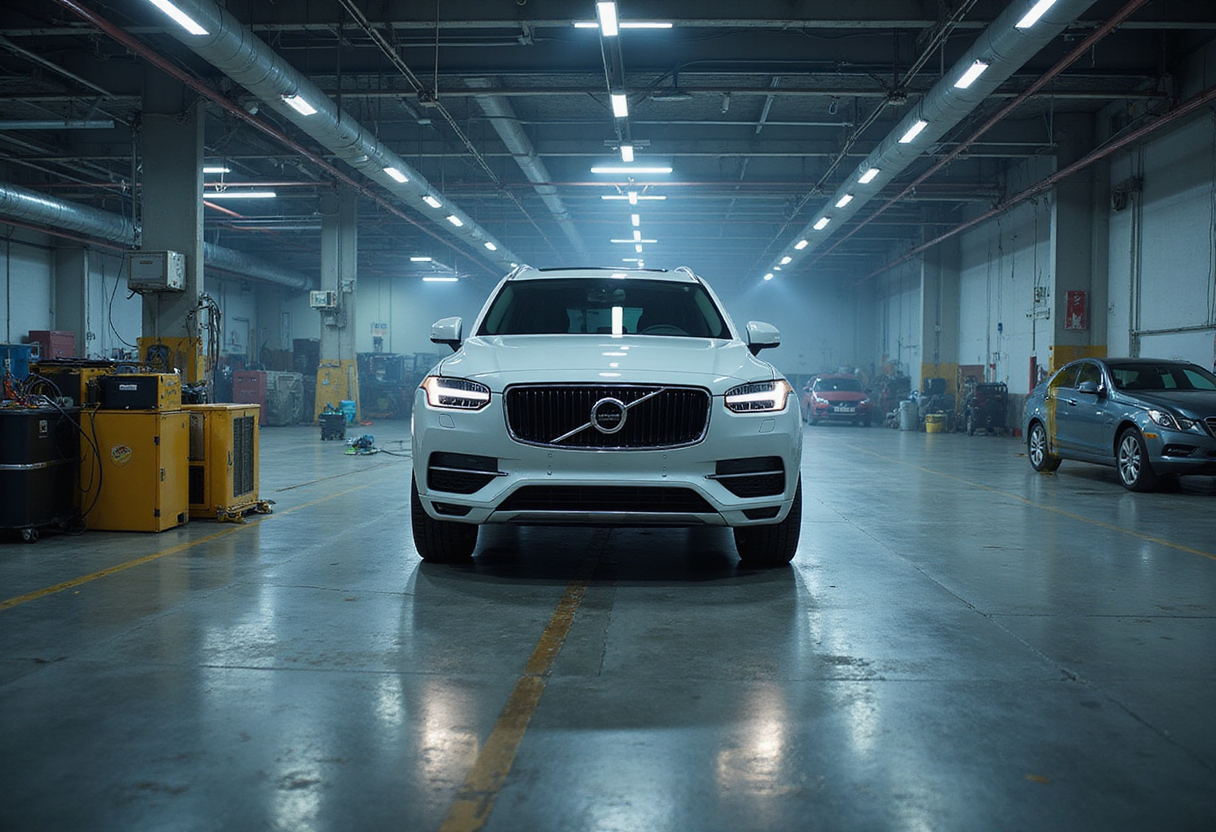
The chief executive of Stellantis has framed the competitive position of the American auto sector in blunt terms: it is the US auto industry against everyone else.
The Stellantis CEO's remark, reported by Yahoo Autos, cuts to the core question now facing every manufacturer with US production footprint: whether American-built vehicles and the plants that assemble them can hold their ground against rivals operating across every other major market.
The statement carries weight because of who made it. Stellantis sits on both sides of the divide the CEO describes. The company builds Chrysler, Dodge, Jeep and Ram vehicles in US plants, and it builds Peugeot, Citroën, Opel and Fiat vehicles in European and South American facilities. Its North American operations have historically generated the bulk of group profit, which means the CEO's framing of a US industry standing alone is also a statement about where Stellantis itself must win.
The comment arrives at a moment when the structure of global automotive competition is under active renegotiation. US trade policy has shifted the cost calculus for imported vehicles and imported parts. OEMs with multi-region footprints — Stellantis among them — must decide where to allocate programs, which plants receive new model allocations, and how much capacity to commit to US assembly versus imported builds.
For plant-level planners and supplier tier one through three, the CEO's framing matters less as rhetoric and more as a signal of allocation logic. If the US industry is understood as competing against everyone else, then US plants compete internally for investment on the strength of their cost position, their launch readiness and their ability to absorb tariff-exposed component flows. Suppliers making powertrain components, stampings and electronics for US-assembled programs will read the statement through that lens.
Stellantis itself has spent the past several years restructuring its manufacturing base on both sides of the Atlantic. The company has realigned plant assignments, idled facilities where demand has fallen short, and rebalanced electrification programs against slower-than-forecast EV uptake. A chief executive describing the US industry as standing alone suggests the internal debate over where the next rounds of investment land is far from settled.
The competitive framing also sets up a tension the CEO did not resolve in the remark itself. Stellantis is not a US company in the conventional sense; it is a Netherlands-incorporated group formed from the 2021 merger of Fiat Chrysler Automobiles and France's PSA Group. When its CEO says the US auto industry stands against everyone else, he is simultaneously describing his own company's dual exposure — and the risk that policies or market shifts favoring one region squeeze margins in another.
What to watch next: whether Stellantis follows the CEO's framing with concrete US capacity commitments — new model allocations to specific American plants, tooling timelines, or supplier sourcing shifts — and whether US production volumes at its assembly facilities move in response to trade policy decisions still working through the system. The gap between an announced framing of competitiveness and confirmed plant-level investment is where the real story will be measured.
via Google News: Auto industry policy (Source)
More from Daniel Okafor
Show full bio
Senior reporter covering marketplaces and e-commerce at Autoplant Brief.
111 articles
Also circulated
- Stellantis executive sees little path back to zero USMCA tariffs
- Stellantis Reported To Be Planning Sale Of Ontario Plant
- Stellantis to Pause Production Temporarily at Several French Plants
- Inside Stellantis' Hosur Plant: India's Rise as a Group Powertrain Base
- Auto Industry Pressures Trump to Block Chinese Automakers