ECO-9756 · REV C · effective September 30, 2026
Industry Analysis & MarketsAPPROVEDEngineering notice
Tariffs, Chinese Rivals and EV Slowdown Drag Auto Sector Into Losses
Tariffs under Trump, Chinese export competition and a cooling EV market are driving the global auto sector into heavy losses, according to a new analysis calling 2025 the industry's worst year.
Scope of change
- A new analysis describes 2025 as the auto industry's 'annus horribilis', with heavy sector-wide losses
- Three converging causes cited: Trump-era US tariffs, competition from Chinese manufacturers, and slowing EV demand
- Margin pressure hits OEMs and suppliers across North America and Europe, affecting plant-level investment and employment decisions
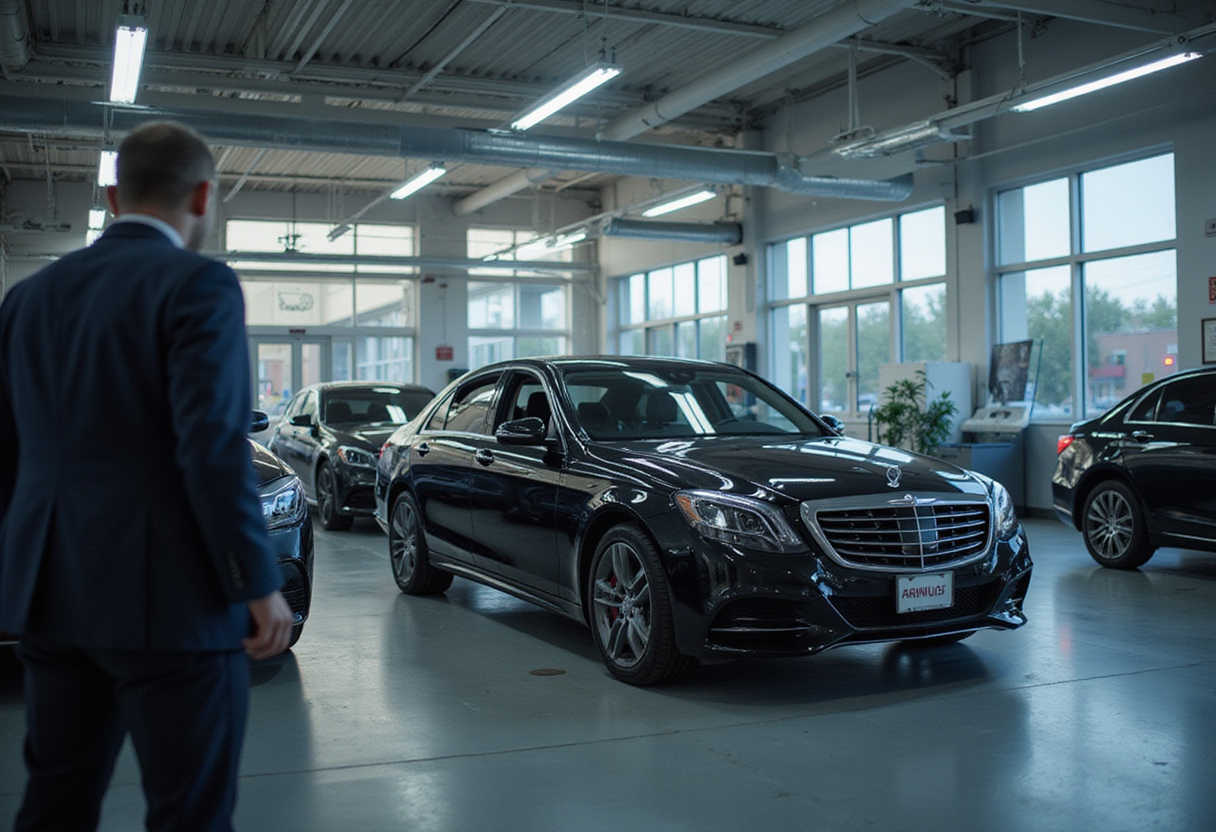
The global auto industry is heading into what one analysis calls its "annus horribilis" — a year of heavy losses driven by three converging pressures: the tariff regime introduced under US President Donald Trump, intensifying competition from Chinese manufacturers, and a broader slowdown in electric vehicle demand.
The report, published by EL PAÍS, frames 2025 as a period in which the sector's problems are no longer isolated by region or company but systemic, hitting established OEMs and their supply chains simultaneously.
The tariff question sits at the center of the damage. US import duties on vehicles and components have raised input costs for manufacturers that built their North American footprints around cross-border flows — engines, transmissions and stampings moving between Canada, Mexico and the United States under the terms that preceded the current trade policy. For plants whose business cases assumed frictionless regional sourcing, the tariffs function as a direct hit to program margins.
Chinese rivals compound the pressure. Domestic manufacturers in China have scaled exports aggressively and now compete with Western brands both in third markets and, increasingly, on technology and price in segments European and American OEMs once treated as protected. The competitive squeeze leaves legacy automakers with less pricing power exactly when their cost base is rising.
The third factor is the EV slowdown. After several years of aggressive electrification targets and capacity commitments, demand growth for battery-electric vehicles has cooled in key Western markets. That leaves manufacturers carrying the fixed costs of EV programs, battery supply agreements and retooled assembly lines against slower-than-planned volume ramps. Suppliers in the battery and powertrain-electrification tiers face the same mismatch between committed capacity and actual orders.
For plant-level decision makers, the combined effect is straightforward: margin compression, delayed investment decisions and pressure on employment across assembly and component operations in North America and Europe alike.
The report does not isolate which OEMs or suppliers absorb the deepest losses, but the direction is clear — the sector enters the next planning cycle with weaker fundamentals than at any point since the pandemic-era disruptions.
What to watch next: how OEMs allocate production between US, Mexican and Canadian plants as tariff costs settle into program economics; whether Chinese exporters gain further share in Europe amid the EU's tariff deliberations; and whether EV volume forecasts for 2026 get revised downward, forcing capacity and sourcing decisions at battery and assembly plants across the supply base.
via Google News: Auto industry policy (Source)
More from Daniel Okafor
Show full bio
Senior reporter covering marketplaces and e-commerce at Autoplant Brief.
111 articles
Also circulated
- US Auto Industry Presses Trump to Bar Chinese Carmakers
- Tariffs and Policy Shifts Risk Walling Off U.S. Auto Industry
- Auto Industry Presses Trump to Block Chinese Automakers Before Xi Talks
- Trump Claims Tariffs Rescued US Auto Industry, Blasts Canada
- ITIF: US Auto Industry Needs National Strategy for China Challenge