ECO-1304 · REV G · effective October 9, 2026
Vehicle Plants & ProductionAPPROVEDEngineering notice
Aluminum shortage hits Japan vehicle output, fleet risk builds
An aluminum supply shortfall is hitting Japan's vehicle production lines, raising fleet delivery risk for operators dependent on the country's automaker base. The dispatch flags the squeeze and downstream fleet impact but carries no unit volumes or named programs.
Scope of change
- Source dispatch flags an aluminum shortage affecting Japan's vehicle output and frames fleet operators as the most exposed customer base.
- Dispatch does not yet include unit volumes, named OEM programs or affected supplier tiers.
- Japan's automakers import the bulk of primary aluminum, leaving vehicle plants exposed to upstream import disruptions.
- Aluminum content spans body panels, engine components, transmission housings, wheels and heat exchangers on most modern vehicles.
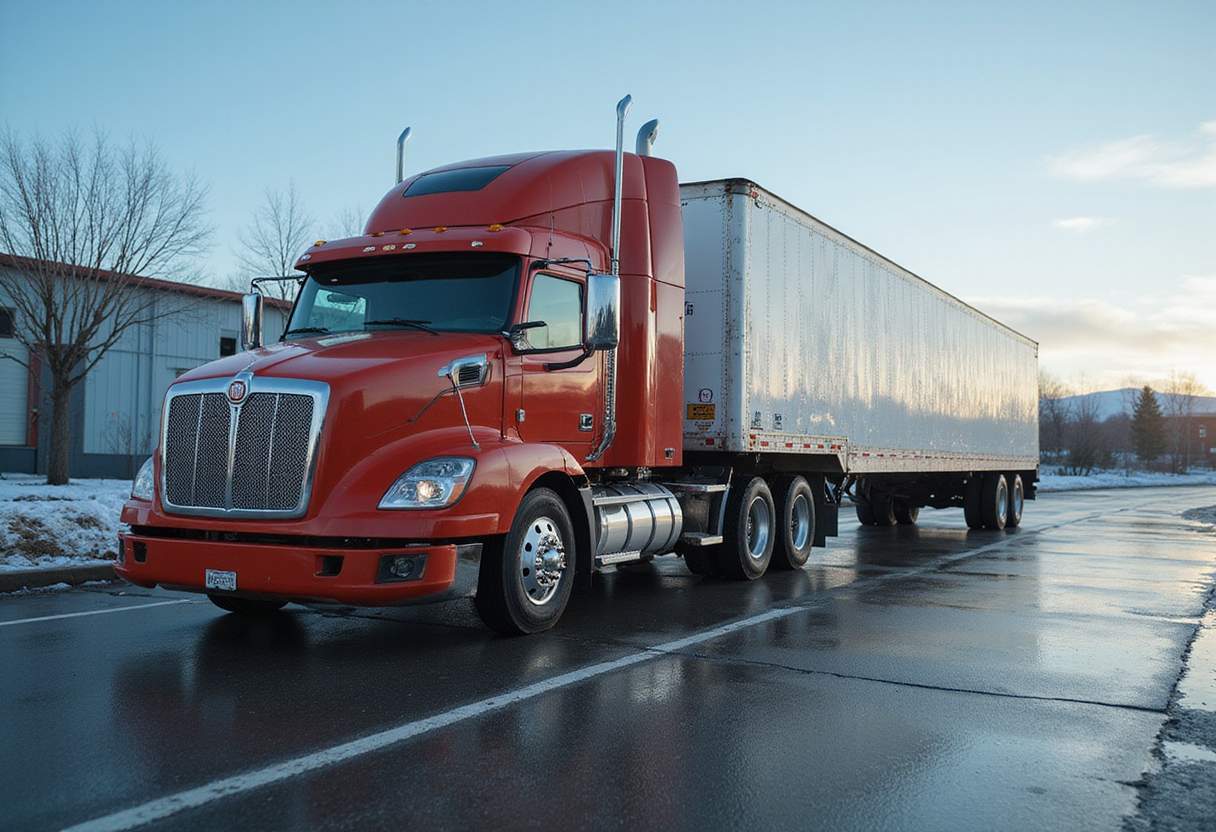
An aluminum shortage is hitting Japan's vehicle production lines, with the supply shortfall already translating into fleet delivery risk for operators dependent on the country's automaker base.
The headline is thin on specifics: it flags a disruption and a downstream fleet risk, but the dispatch does not yet carry unit volumes, named programs or supplier figures.
The story therefore stands as an early indicator rather than a confirmed production-loss tally.
Production-trim announcements typically lag the first smelter or converter disruption by one to three weeks as OEMs work through allocation decisions.
What the source confirms
The title attributes the squeeze to an aluminum shortage affecting Japan's vehicle output and frames the fleet sector as the most exposed customer base. Both points are stated; neither is quantified in this report.
The fleet framing matters because Japan-built vehicles feed a meaningful share of corporate, leasing and last-mile delivery fleets in several Asian markets.
Why aluminum disruption matters to vehicle plants
Aluminum is used across body panels, engine components, transmission housings, wheels and heat exchangers on most modern vehicles.
A supply shortfall at a smelter, converter or caster can halt a vehicle program because the constrained part may be the gating item for an entire line, regardless of which trim the buyer ordered.
Japan's domestic aluminum supply chain has historically run lean on primary production, and Japan's automakers import the bulk of their primary aluminum needs.
Any interruption to those import flows — from shipping bottlenecks, energy-cost pressure on overseas smelters, or trade-policy shifts — translates quickly into a domestic-production constraint.
Primary-aluminum import dependence leaves vehicle plants exposed to upstream price and availability swings they cannot quickly hedge.
Why the fleet channel absorbs this first
Fleet operators — rental, leasing, corporate and last-mile delivery — work on long planning cycles and tight replacement windows.
A disruption to Japan-built vehicle output pushes three pressure points:
- Delivery timing: confirmations push out and refresh cycles lengthen.
- Specification availability: aluminum-intensive trim levels and efficiency variants become harder to source.
- Resale market pressure: tight new supply supports residuals short-term, while extended waits push buyers into the used market and distort total cost-of-ownership models.
Fleet contracts built around fixed delivery dates now face re-negotiation. Order-to-delivery windows on Japanese fleet vehicles typically run measured in weeks.
Any extension cascades into utilization models: depot capacity, driver scheduling and replacement-reserve ratios all assume predictable arrivals.
How OEMs typically respond
Automakers usually triage affected programs first, protecting high-volume nameplates and trimming lower-volume or special-edition trims.
They work with Tier 1 casters and stampers to shift volumes, qualify alternate aluminum sources where chemistry allows, and adjust build mix.
None of these levers resolves the issue quickly, and aluminum re-qualification lead times run several weeks even in a best case.
Plants rarely halt outright on a primary-metal disruption. The first-cut adjustment is build-mix rebalancing and allocation, with build-rate cuts applied where trim availability runs out.
Production restart after a sustained aluminum disruption typically takes longer than the original short-fall itself, since casting dies, weld schedules and paint formulations reference the alloy grade originally specified.
What's still unclear
- Which Japanese OEMs have confirmed specific production adjustments or stop-days.
- The unit volume and the affected vehicle programs.
- Whether the supply problem sits at primary smelter, converter, caster, or finished-part tier.
- How long the disruption is expected to last.
What to watch next
- OEM production guidance from individual Japanese automakers.
- Smelter and converter operating-rate disclosures from major aluminum producers.
- Port and shipping-flow data on aluminum imports into Japan.
- Fleet-leasing company delivery guidance on outstanding vehicle orders.
via Google News: Auto plant and vehicle production (Source)
More from Marcus Bennett
Show full bio
News editor covering marketplaces and e-commerce at Autoplant Brief.
148 articles
Also circulated
- WSJ Report: Aluminum Crisis Is Hitting the Auto Industry
- Japanese automakers extend U.S. footprint past tariff calculus
- US Car Imports Fall 20% Under Trump Tariffs; Exports Drop in Step
- Suppliers Bear the Brunt as Trump Tariffs Squeeze US Auto Sector
- Twelve Months of US Tariffs Have Not Drawn Automotive Production Home