ECO-1413 · REV J · effective October 13, 2026
Vehicle Plants & ProductionRELEASEDEngineering notice
Stellantis and Tata Sign Definitive Deal for India-Built Exports
Stellantis and Tata Motors sign a definitive agreement to develop India-built vehicles for 50-plus export markets, produced at the FIAPL joint venture plant in Pune.
Scope of change
- Definitive agreement targets vehicles for more than 50 global markets, built in India.
- The deal follows an MoU signed in February 2026 between Stellantis and TMPV.
- Production will run at FIAPL, a 50:50 JV operating an integrated vehicle and powertrain plant in Pune, Maharashtra.
- The Pune site already builds Jeep Compass, Meridian, Grand Cherokee CKD, Wrangler CKD plus Tata Nexon, Altroz and Curvv, and exports to markets including Japan and South Africa.
- No capacity figures, investment amount or launch timing were disclosed.
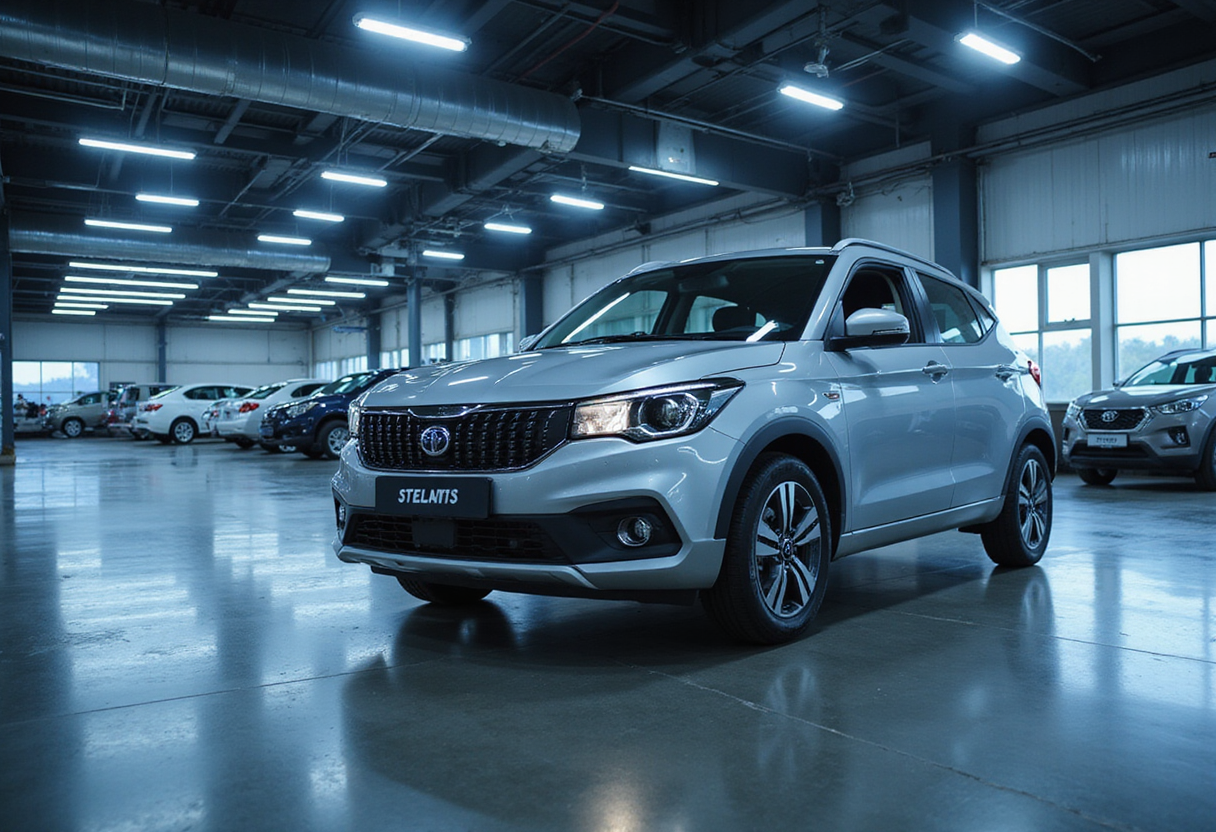
Vehicles bound for more than 50 global markets will be engineered and built in India under a definitive agreement signed between Stellantis and Tata Motors Passenger Vehicles, turning a February 2026 memorandum of understanding into a binding product programme.
The deal extends a relationship that has already run for more than two decades. The earlier MoU, signed in February 2026, explored cooperation on manufacturing, engineering and supply chain activities in India and overseas. That was an intention; this week's signature is the commitment.
According to the companies' statement, the agreement is intended to support vehicle development and manufacturing in India for export markets. Production will sit with Fiat India Automobiles Private Limited, FIAPL, the 50:50 joint venture between TMPV and Stellantis.
What does each side bring?
The division of labour is clear. TMPV provides Stellantis with access to its proprietary product technology and vehicle architecture. Stellantis then uses its domestic engineering and development base to adapt those models to local regulatory and customer requirements worldwide.
TMPV managing director and CEO Shailesh Chandra said: "This agreement marks an important next step, extending our relationship into advanced vehicle technology and architecture, reflecting the strength and competitiveness of TMPV's capabilities in these areas."
Chandra added: "Together, we have an exciting opportunity to combine our respective strengths to create compelling vehicles engineered and made in India for customers in India and around the world."
In plain terms: Tata supplies the platforms, Stellantis supplies the market access. One-line takeaway — this is an architecture-licensing deal dressed as a partnership, and both parties are comfortable with that.
Where will the vehicles be built?
The answer is one plant. FIAPL runs an integrated vehicle and powertrain facility in Pune, Maharashtra. That single site already carries a wider product spread than most joint ventures manage in a lifetime:
- Stellantis models: Jeep Compass, Jeep Meridian, Grand Cherokee CKD and Wrangler CKD
- Tata Motors models: Nexon, Altroz and Curvv
- Powertrain output: engines, transmissions and traction motors
- Existing exports to markets including Japan and South Africa
The Pune site, in other words, is not learning to export. It already does. The question is volume, and neither company has put a number on that yet.
How big could this get?
That is the honest answer: nobody has said. The statement names more than 50 target markets and confirms the production base, but offers no capacity figures, no programme timing and no investment amount. Suppliers watching this space should treat the 50-market figure as an ambition to be tested against actual launch schedules and export volumes, not as confirmed capacity.
Stellantis Asia-Pacific Region chief operating officer Tianshu Xin said: "By combining Tata Motors' strong capabilities in India with Stellantis' global product development and market reach, this Agreement will help us develop competitive vehicles in India and expand our export potential across international markets."
Note the phrasing — "export potential," not export targets. There's a difference, and it's usually measured in units.
What to watch next
Three checkpoints will tell you whether this agreement is load-bearing. First, a named vehicle programme with a launch date. Second, an export volume or capacity figure for Pune. Third, confirmation of which of the 50-plus markets come first. Until then, this remains a well-dressed architecture deal with a two-decade pedigree and no published numbers. The signature is binding; the business case is still being written.
via just-auto (Source)
More from Daniel Okafor
Show full bio
Senior reporter covering regulation, policy and their impact on Automotive manufacturing and vehicle production at Autoplant Brief.
210 articles
Also circulated
- Momenta to supply ADAS to Peugeot and Jeep via DSAT partnership
- Bosch SDS, Dassault Systèmes Target AI-Led EV Manufacturing in India
- Inside Stellantis' Hosur Plant: India's Rise as a Group Powertrain Base
- Valeo and Mahindra Partner on EV Powertrain Manufacturing in Pune
- Stellantis CEO Casts US Auto Industry as Standing Alone