ECO-5224 · REV U · effective October 13, 2026
Vehicle Plants & ProductionAPPROVEDEngineering notice
Brazil Vehicle Output Edges Toward Seven-Year High
Brazil's vehicle output is approaching a seven-year high per TradingView-cited data. The claim awaits confirmation from ANFAVEA before reshaping Tier 1 supplier and OEM planning across Mercosur.
Scope of change
- TradingView-cited data indicates Brazil vehicle production is approaching a seven-year high
- Brazil's last comparable production peak sat in the 2017–2018 window near 2.8 million units annually
- Brazil is Latin America's largest light-vehicle producer and a key Mercosur export hub
- Major Brazilian assembly hubs include São Bernardo do Campo, São Caetano do Sul, Betim, Camaçari and Goiânia
- Confirmation requires reconciliation with ANFAVEA's official monthly output statistics
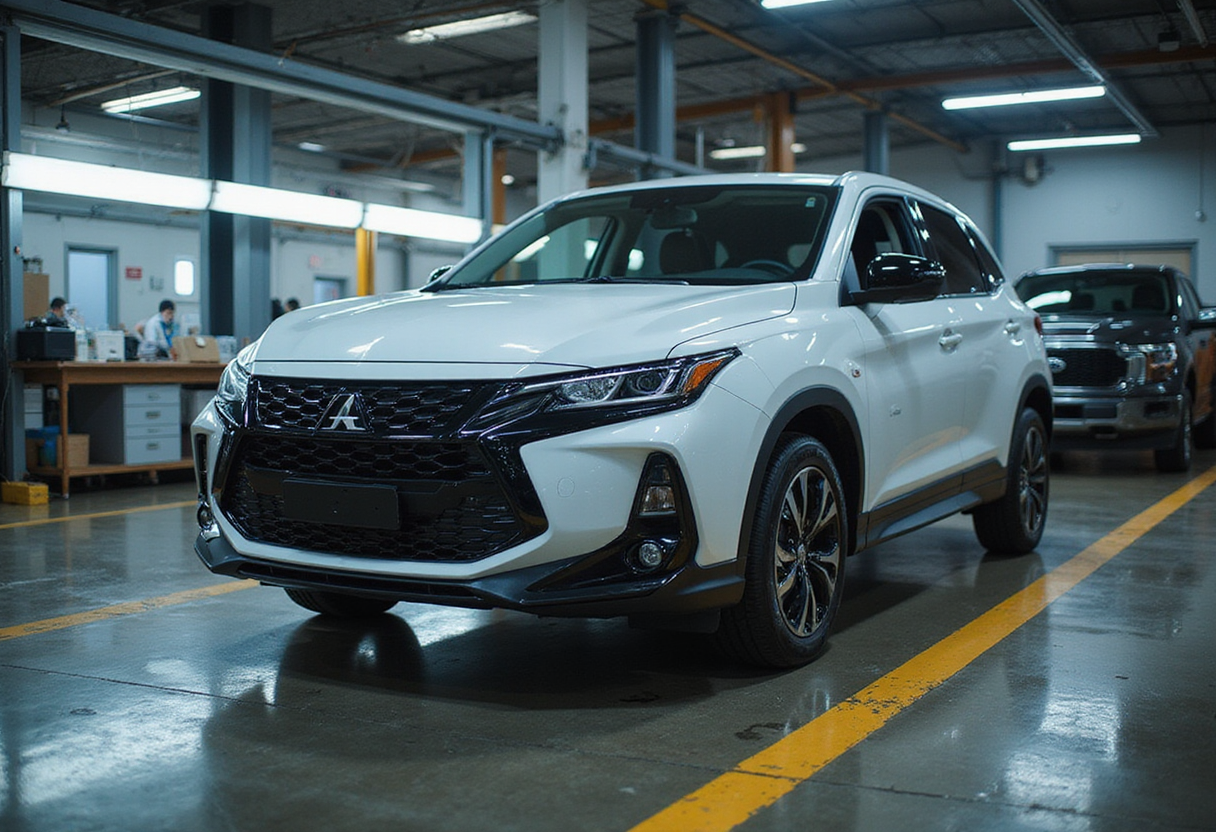
Brazil's vehicle assembly lines are approaching a seven-year output high, according to data referenced by TradingView on [date]. The headline figure — which the market-data aggregator surfaced without disclosing the underlying monthly tally, the calendar period, or the data source — points to a domestic industry operating closer to its pre-pandemic ceiling than at any point since 2018.
The claim matters because Brazil is Latin America's largest light-vehicle producer and a key export hub for Mercosur (the South American customs union comprising Argentina, Brazil, Paraguay and Uruguay). Output levels there ripple through Tier 1 suppliers such as Bosch, Continental, ZF and Magna, which run dedicated lines feeding Brazilian plants. A sustained climb toward the reported high would also reshape the calculus for global OEMs (original equipment manufacturers, the companies that build branded vehicles) weighing whether to add shifts, contract more local content, or re-route export allocations.
What does the seven-year frame tell readers?
The last comparable peak sits roughly in the 2017–2018 window, when annual Brazilian production topped 2.8 million units before a multi-year slide driven by currency volatility (sharp swings in the real against the dollar that alter export margins), weak Argentina demand, and the 2020–2021 pandemic disruption. Returning toward that level would mark a structural recovery rather than a cyclical bounce — provided the TradingView-cited number reconciles with ANFAVEA (the Brazilian Automotive Industry Association), which publishes the official monthly output statistics that traders and OEMs treat as the benchmark.
How should the headline be read?
Market-data aggregators repackage headlines from wire services and exchange filings; they are not primary sources. Editors covering the Brazilian OEM base — Stellantis, Volkswagen, GM, Toyota, Hyundai, BYD and Renault — will want the headline cross-checked against ANFAVEA's release of produced units before treating the seven-year framing as confirmed. Until that reconciliation lands, the figure is best read as an indication of direction, not a definitive print (a published statistical release).
What changes for Tier 1 suppliers if the print holds?
Suppliers running dedicated Brazilian capacity benefit first: higher line utilization (the share of available production time actually used) pulls through incremental orders for stampings, powertrain components and electronics without requiring fresh capex (capital expenditure, the money OEMs and suppliers spend on new plant and tooling). Logistics providers — particularly rail and port operators moving vehicles through Santos and Paranaguá — would also see volume tailwinds.
For component vendors outside Brazil, the signal is subtler. Stronger domestic output can dampen the incentive to export fully built units from Mexico, Argentina or Thailand into Mercosur markets, since local content rules already price imports at a disadvantage. OEMs watching the print will weigh whether the recovery justifies the local-content thresholds Brazil requires for tariff-free circulation.
What to watch next
The next ANFAVEA monthly release will be the decisive data point. Traders and production planners should look for three confirmations: a year-on-year (YoY) gain measured against the same month two years prior, an export share holding above 25 percent of output, and a capacity-utilization reading above 75 percent across the major assembly hubs of São Bernardo do Campo, São Caetano do Sul, Betim, Camaçari and Goiânia.
If those three lines all move in the same direction, the "seven-year high" headline moves from market chatter into the production ledger that automotive editors actually quote.
via Google News: Auto plant and vehicle production (Source)
More from Marcus Bennett
Show full bio
News editor covering regulation, policy and their impact on Automotive manufacturing and vehicle production at Autoplant Brief.
188 articles