ECO-7010 · REV E · effective September 29, 2026
Vehicle Plants & ProductionAPPROVEDEngineering notice
Changan begins vehicle production in Brazil
Changan has begun building vehicles in Brazil, shifting from imports to local assembly. Capacity, models and localization depth remain undisclosed pending production data.
Scope of change
- Changan has started local vehicle production in Brazil, ending its import-only model in the market.
- The company has not disclosed launch capacity, models, shifts or local-content share; those figures await production and registration data.
- The move follows GWM and BYD in establishing Chinese-owned manufacturing capacity in Brazil.
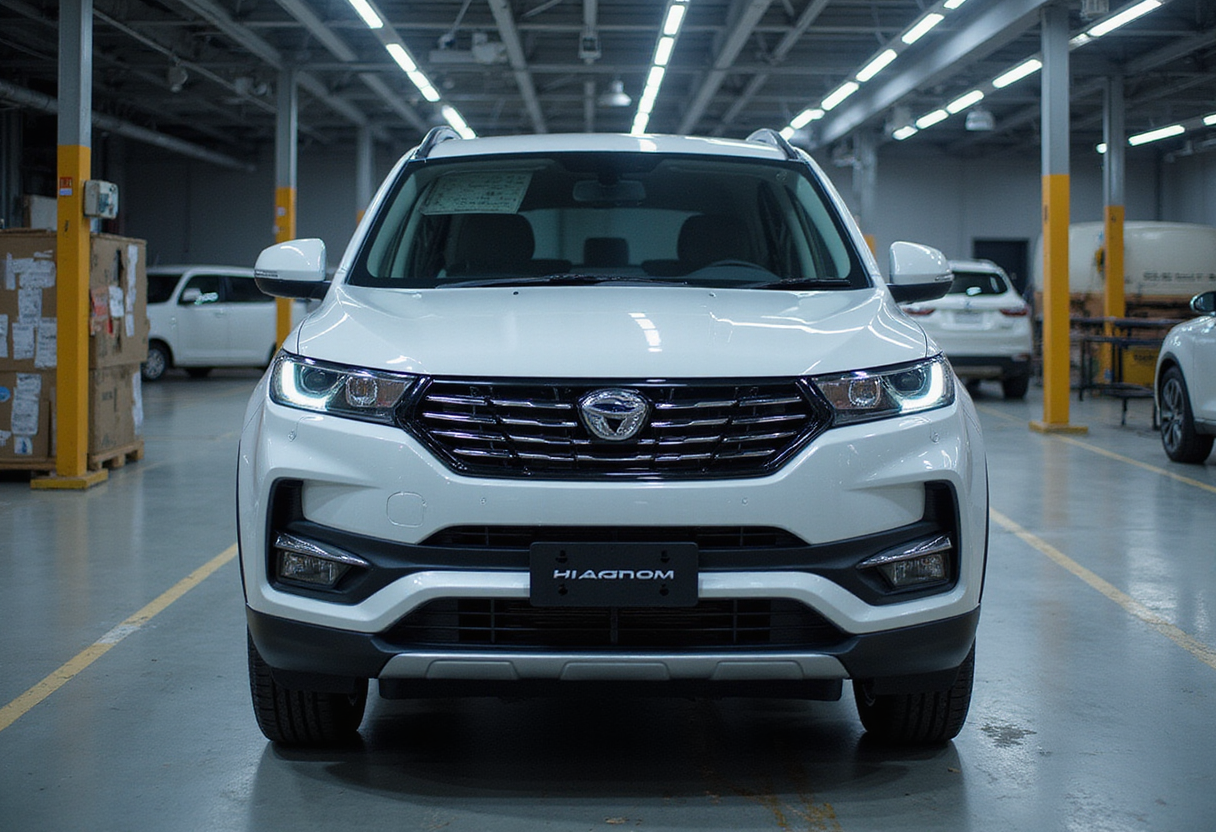
Changan has started building vehicles in Brazil, moving the Chinese automaker from an import-led model to local manufacturing in one of Latin America's largest new-vehicle markets.
The production start, confirmed by the company, marks a structural shift for Changan's Brazilian operation. Until now, the OEM served Brazilian customers with imported product, a route that carries the country's steep import duties and exposes pricing to currency swings. Local assembly changes both the cost base and the homologation picture.
Brazil matters to Chinese automakers right now. Several of them — Changan among the later arrivals — have identified the market as a priority for export growth as competition at home intensifies and European tariffs complicate direct shipments from China. Manufacturing on Brazilian soil is the standard next step once import volumes justify the capital outlay.
The company has not yet detailed, in the announcement, the full parameters that plant-location analysts will want: installed capacity in units per year, the number of shifts at launch, the model or models on the line, or the local-content share the vehicles will carry. Those numbers determine whether this is a genuine volume play or a kit-assembly operation sized to skirt import tariffs. Treat early supplier and vendor claims around the project accordingly — capacity announcements at launch tend to be intentions rather than demonstrated output, and they should be tested against actual production data over the first two or three quarters.
What is confirmed is the milestone itself: Changan vehicles are now coming off a Brazilian line. Everything upstream of that — site selection, investment size, jobs created, supplier localization commitments — sits in the announced-intentions column until the company publishes audited figures or Brazilian registration data reflects local-build volumes.
For Changan's competitor set in Brazil, the signal is unambiguous. GWM has already committed to its own Brazilian industrial footprint, and BYD operates its Camaçari complex in Bahia. Changan's move deepens the pattern: Chinese OEMs are not content to trade into Brazil; they are building there. That pressures the incumbent local players — Volkswagen, General Motors, Stellantis, Toyota and Hyundai's Brazilian operations — on price positioning, since locally assembled Chinese product closes the tariff gap those incumbents relied on.
The knock-on effects run through the supply base. Every new assembly line in Brazil triggers make-or-buy decisions on stamping, powertrain components, seats, wiring and electronics. Tier 1 and Tier 2 suppliers with existing Brazilian capacity gain a potential new customer; those without local footprint face the same import-duty logic that pushed Changan to localize. Watch for vendor announcements tied to the program in the coming months, and hold them to the same verification standard.
Brazilian policy adds a variable. Local-content thresholds and the Inovar-Aera successor incentives, along with the federal government's positioning on Chinese investment, shape how quickly Changan can scale and how deep its localization goes. A change in tariff treatment of imported kits, or a new industrial-policy condition attached to incentives, could alter the plant's economics quickly.
What to watch next: the first registered sales figures that show Brazilian-built Changan vehicles rather than imports, which will reveal actual line rates; the company's first capacity disclosure, separating nameplate capability from demonstrated output; and any supplier-localization announcements that indicate whether this is assembly depth or full manufacturing. The opening quarter of local production will tell more than the launch press release does.
For manufacturing planners across the region, the relevant question is not whether Changan can build in Brazil — it now does — but how fast the plant ramps, and whether the OEM follows with a second model or a powertrain localization step. Those decisions will set the competitive temperature in the Brazilian market for the rest of the decade.
via Google News: Auto plant and vehicle production (Source)
More from Sophie Lindqvist
Show full bio
Correspondent covering business strategy at Autoplant Brief.
97 articles
Also circulated
- Changan Starts Building Vehicles in Brazil
- Nissan chairman: Chinese automakers to build in North America within 2-3 years
- Auto Industry Presses Trump to Block Chinese Automakers Before Xi Talks
- ITIF: US Auto Industry Needs National Strategy for China Challenge
- Changan Weighs Spanish Plant Move, Bloomberg Reports