ECO-8716 · REV E · effective September 28, 2026
Industry Analysis & MarketsAPPROVEDEngineering notice
Nissan chairman: Chinese automakers to build in North America within 2-3 years
Nissan's chairman warns Chinese automakers will localize North American vehicle production within 2-3 years, pressuring plant footprints across the region.
Scope of change
- Nissan chairman says Chinese automakers will localize vehicle production in North America within 2-3 years
- Timeline reported by Automotive News; no confirmed plant program, location or capacity yet announced
- Forecast pressures incumbent OEMs' North American capacity and supplier sourcing decisions
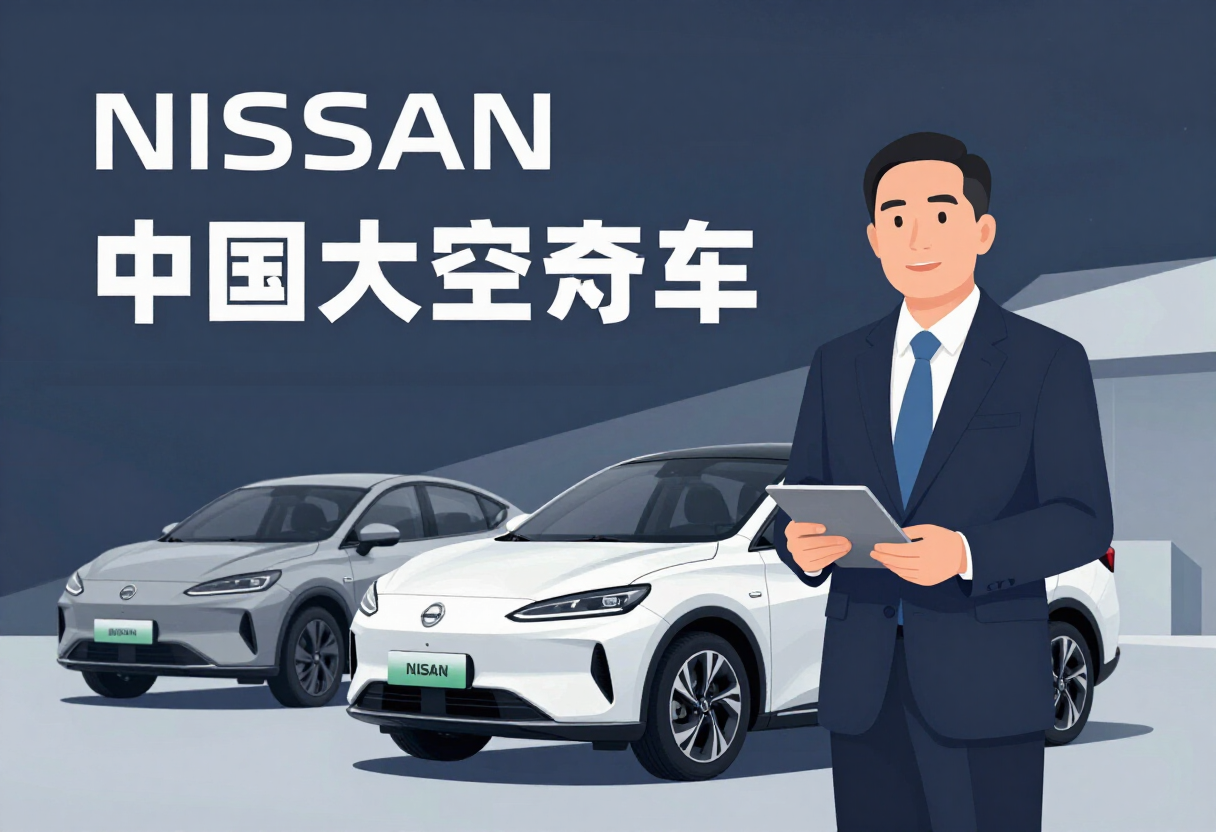
Nissan's chairman has put a hard timeline on one of the most consequential questions facing North American plant planners: Chinese automakers will localize vehicle production on the continent within two to three years.
The warning, reported by Automotive News, comes from the top of one of the Japanese OEMs most exposed to the shift. Nissan operates major assembly operations in North America, and its leadership is signaling that the current wave of Chinese vehicle exports will not remain an import story for long.
The timeline matters for every plant manager and sourcing lead in the region. A two-to-three-year window is shorter than a full vehicle program development cycle. If Chinese OEMs move to break ground or occupy existing capacity in that period, suppliers in Mexico, the US and Canada would face new tooling requests, new sourcing competitions and new capacity decisions almost immediately.
Nissan's chairman framed the localization as a matter of when, not if. Chinese automakers have spent the past several years building export scale from plants in China, shipping vehicles to markets across Latin America, Europe and Southeast Asia. North America has remained largely closed to them through tariff walls and regulatory barriers. Localizing production would be the standard playbook for getting around those barriers — the same route Japanese, Korean and European OEMs took in earlier decades.
For incumbent manufacturers, the warning lands at a difficult moment. Nissan and its peers are already managing capacity utilization, EV program delays and sourcing realignments across their North American footprints. The prospect of a new competitor establishing local assembly within 36 months adds pressure to decisions about which plants run at what volumes, and which supplier contracts get renewed.
The claim should be read as a forecast from an interested party, not a confirmed plant program. Nissan's chairman is speaking about competitors' intentions, and no Chinese automaker has announced a confirmed assembly plant with a location, capacity figure and start of production in the US, Canada or Mexico as part of this report. Trade-press verification of any such move will come in the usual forms: site selection announcements, state incentive filings, supplier nomination letters and the first stamped body panels.
Still, the direction of travel is consistent with what supplier and policy circles have discussed for the past year. Tariff policy has made importing Chinese-built vehicles into the US prohibitively expensive. Localization is the logical response, and Mexico — with its existing supplier base and USMCA access, subject to rules-of-origin constraints — is the most frequently cited candidate location for a first Chinese-owned assembly operation in North America.
For suppliers, a Chinese OEM localization wave cuts two ways. New entrants need local Tier 1 and Tier 2 capacity, which could fill plants currently underutilized. It also means new competition for existing programs, since Chinese OEMs would arrive with aggressive cost structures and established supply relationships they may prefer to bring with them.
What to watch next: any site-selection or incentive announcement tied to a Chinese automaker in Mexico or the US; USMCA rules-of-origin and tariff decisions that shape the economics of where such a plant lands; and whether Nissan itself adjusts its North American capacity or sourcing plans in response. The chairman's two-to-three-year clock is now running.
via Google News: Auto plant and vehicle production (Source)
More from Grace Kim
Show full bio
Staff writer covering industry trends and analytics at Autoplant Brief.
82 articles
Also circulated
- ITIF: US Auto Industry Needs National Strategy for China Challenge
- Canada Courts Chinese EV Makers as Tariffs Fracture Auto Trade
- Auto Industry Presses Trump to Block Chinese Automakers Before Xi Talks
- US Auto Industry Presses Trump to Bar Chinese Carmakers
- Nissan Targets 80% of US Sales From Domestic Production by 2030