ECO-7134 · REV E · effective November 17, 2026
Automation & RoboticsAPPROVEDEngineering notice
Softbank and ABB reopen talks after China blocks $5.4B robotics deal
China blocked the $5.4 billion sale of ABB robotics to Softbank on Nov. 4. Talks have resumed, with a carve-out or new buyer now on the table.
Scope of change
- China prohibited the $5.4 billion acquisition of ABB's robotics business in China on Nov. 4.
- ABB robotics posted $1.7 billion revenue in nine months with a $23 million net loss.
- China accounts for roughly 30% of ABB robotics revenue and hosts a 721,000-square-foot Shanghai factory.
- Softbank has invested in more than 30 physical AI companies and posted a quarterly loss on $3.7 billion in data center costs.
- The original sale to Softbank was slated to close by mid-to-late 2026.
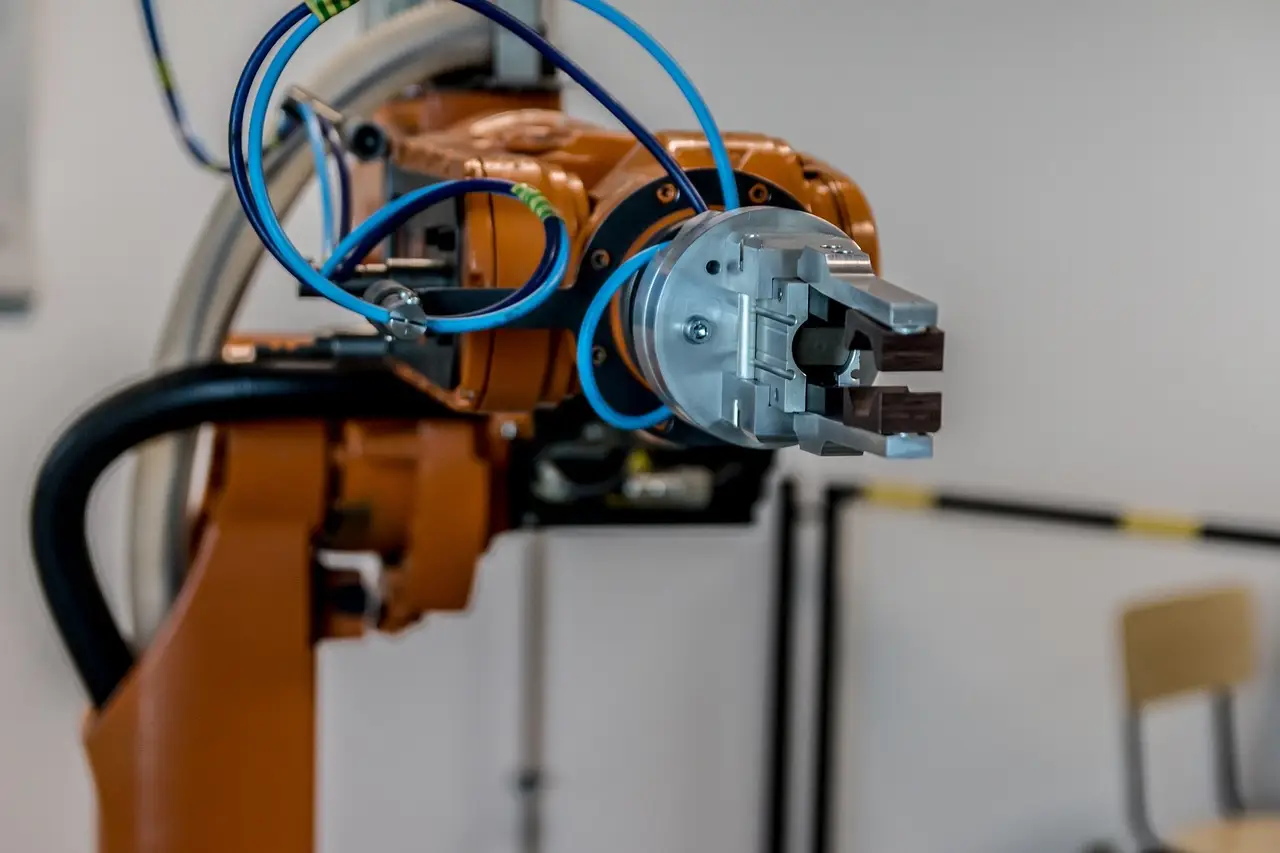
China has blocked the $5.4 billion sale of ABB's robotics business to Softbank Group, and the two companies are already back at the table to salvage the transaction. Softbank said Friday that both parties are "working constructively on the transaction" and will announce any decisions that require disclosure.
On Nov. 4, China's Office of the Working Mechanism for Foreign Investment Security Review formally notified Softbank that it prohibited the acquisition of ABB's robotics business in China. That notification forced the companies to regroup on the details of the deal, which had been structured as a full sale closing by mid-to-late 2026.
Why China said no
The blocked piece of the deal is not marginal. China accounts for about 30% of ABB's robotics revenue and hosts the segment's fully automated, 721,000-square-foot factory in Shanghai, said Erik Nieves, founder and CEO of Plus One Robotics, a physical artificial intelligence company that builds warehouse robots.
"There was a lot of subsidy that went into that, and I'm sure China would feel some sort of way about that going into foreign hands and then getting no benefit from it," Nieves said.
Softbank and ABB declined to comment on the reasons behind Beijing's decision. Industry experts, as first reported by Bloomberg, expect a carve-out deal or compromise to rescue the acquisition.
What does this change for the deal's structure?
Everything, potentially. "While they're having discussions on how to do a carve-out, all options are on the table," Nieves said — including a potential spinoff or a different buyer China would approve. That means practitioners should watch for a restructured perimeter: a global robotics sale with the Chinese operations excluded, or an entirely new ownership map.
ABB's robotics division is a heavyweight with thin margins. The business generated $1.7 billion in revenue through the first nine months of the year and posted a net loss of $23 million. ABB ranks as the world's leading maker of robotic arms alongside Fanuc, Yaskawa and Kuka, according to the Association for Advancing Automation.
The Swiss manufacturer first explored spinning off robotics into a separately listed company in April 2025. It pivoted months later toward a sale to Japan-based Softbank.
Robotics as geopolitical proxy
For Softbank, the deal was never mainly about giving ABB's unit a "good landing spot" — it was about a determination to "double down on physical AI," Nieves said. Softbank has invested in more than 30 companies to advance physical AI, according to its latest earnings presentation, including Agile Robots and Berkshire Grey, alongside major stakes in Intel, Ampere and other chipmakers.
The regulatory friction cuts both ways. The Trump administration blocked imports of mobile robotic devices, including humanoids and quadrupeds, over the summer, citing national security. Lawmakers have introduced bills and attached a provision to the National Defense Authorization Act targeting Chinese robots. The administration also weighed Section 232 tariffs on foreign robotics imports before recently choosing trade negotiations instead.
"We're supposed to be just like CNC machines, nobody makes a fuss about a lathe or a five-axis mill, and yet six-axis robots somehow have become…sort of this proxy for this wider AI battle," Nieves said. "I never would have thought we'd be in this place," he added.
Softbank's financial capacity to keep buying is under its own pressure. On Tuesday the company posted a quarterly loss driven by $3.7 billion in data center equipment costs.
What to watch next: the announcement of any restructured deal perimeter — carve-out, spinoff or new buyer — ahead of the original mid-to-late 2026 closing window, and whether Beijing's review mechanism signals a broader template for blocking foreign acquisitions of China-based automation assets.
via Manufacturing Dive (Source)
More from Marcus Bennett
Show full bio
News editor covering regulation, policy and their impact on Automotive manufacturing and vehicle production at Autoplant Brief.
321 articles
Also circulated
- Li Auto's chip unit MHX raises RMB1.625bn in equity financing
- Li Auto Chip Unit Seeks First Funding at $2.2 Billion Pre-Money Valuation
- Tesla Audits China Suppliers to Ready Optimus for Mass Production
- Li Auto Puts $242 Million Outside Money Into Mach Chip Unit
- U.S. Passes Japan as World's No. 2 Industrial Robot Market