ECO-2984 · REV I · effective November 13, 2026
Auto Industry PolicyAPPROVEDEngineering notice
Seoul EV panel calls for shift from purchase subsidies to charging infrastructure
A KAJA panel in Seoul says Korea's EV market has entered the mass-market stage and urges policy shift from subsidies to charging infrastructure and commercial-vehicle electrification.
Scope of change
- KAJA held its EV Media Insight Talk on the 13th at Space S50 in Seongsu-dong, Seoul, part of a 3-day exhibition running to the 15th
- Panelists said Korea's EV market has moved from early adopters into a mass-market growth phase
- Researchers urged electrifying freight trucks and buses, not only passenger cars
- Hyundai, Kia, Mercedes-Benz, Volvo, BMW, KG Mobility and Volkswagen displayed EVs at the event
- KAJA, founded in 2010, has about 200 journalists from 60 member media outlets
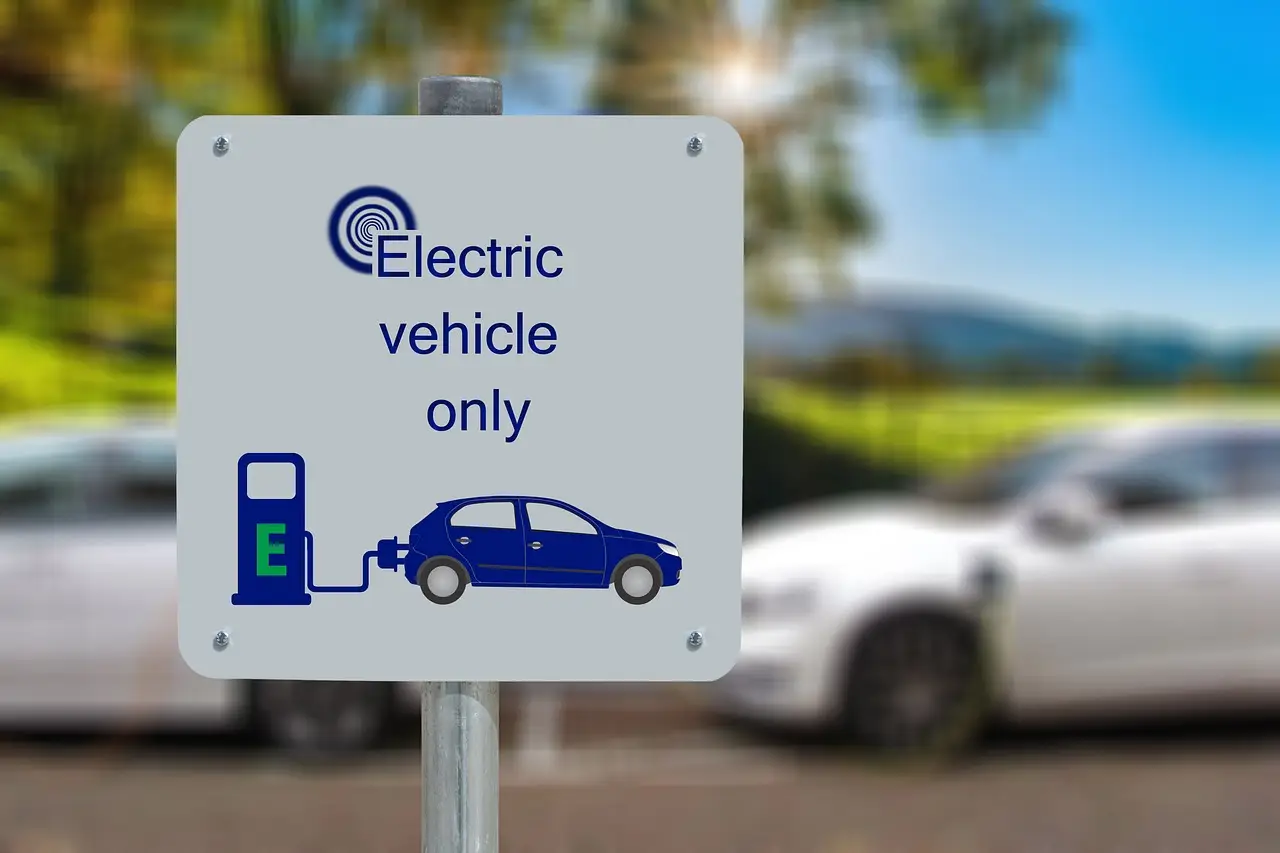
South Korea's electric vehicle market has entered its mass-market growth phase, and policy must move beyond purchase subsidies toward charging infrastructure, electricity pricing and used-EV rules. That was the core message from an expert panel convened by the Korea Automobile Journalists Association (KAJA) on the 13th in Seongsu-dong, Seoul.
The session, called EV Media Insight Talk, ran inside the three-day "All-Powerful EV" exhibition at Space S50, which continues until the 15th under the auspices of the Ministry of Climate, Energy and Environment. Hyundai, Kia, Mercedes-Benz, Volvo, BMW, KG Mobility and Volkswagen are displaying EVs at the venue, with visitor programs covering charging, running costs, carbon reduction and AI.
Who said what
Choi Yeong-seok, professor of future automotive engineering at Halla University in Wonju, has driven an EV himself since 2014. "In the past I had to explain the characteristics and usage of EVs to people one by one, but awareness has improved to the point where they can now be used conveniently without any explanation," he said. He cautioned that anxiety over repairs, used-EV prices and safety remains unresolved.
Choi argued that EV policy should shift from simple purchase support to growing an entire industry. He called for electrifying freight trucks and buses, not just passenger cars, and for linking vehicle deployment with charging infrastructure and logistics policy in a coordinated response.
Kim Kyoung-yu, senior research fellow at the Korea Institute for Industrial Economics and Trade, identified consumer-base expansion as the market's biggest recent change. "The EV market is entering a growth phase moving from an early adopter-centered initial market to a mass market," he said, crediting new domestic models and price competition from Tesla and BYD for widening consumer choice.
To counter Chinese EV momentum, Kim said Korean automakers need affordable, price-competitive volume EVs. He also urged rebalancing policy weight away from subsidies toward improving the usage environment: charging networks, electricity tariffs and used-car systems.
What does this change for manufacturers?
For practitioners, the panel signals where domestic policy attention — and eventually incentives — may migrate: commercial-vehicle electrification (electric trucks and buses), charging buildout and residual-value mechanisms rather than point-of-sale support. No binding measures were announced; these were stated recommendations from researchers, not confirmed government plans.
KAJA President Ryu Jong-eun framed the residual barriers plainly: "The EV market has entered a mass-market stage, but price burden, charging inconvenience and safety concerns remain challenges to solve." He stressed building an environment where consumers can trust and rationally choose EVs over short-term, subsidy-driven sales expansion, and called on auto journalists to report industry achievements alongside field problems and consumer voices.
What to watch next
The exhibition closes on the 15th at Space S50. KAJA, founded in 2010, represents some 200 journalists across 60 member outlets and runs the annual Korea Car of the Year (K-COTY) awards plus symposiums, seminars and tech tours; it plans further expert-journalist forums on industry issues. Watch whether the subsidy-to-infrastructure argument advanced here surfaces in upcoming ministry policy decisions and in Korean OEM product plans for entry-level EVs.
via asiae.co.kr (Source)
More from Marcus Bennett
Show full bio
News editor covering regulation, policy and their impact on Automotive manufacturing and vehicle production at Autoplant Brief.
299 articles
Also circulated
- Kia Commits 3 Trillion Won to Gwangju EV and PBV Plant by 2029
- South Korea slashes Hyundai EV plant rebuild permit window to one year
- Hyundai to Fast-Track Ulsan EV Plant Conversion, Report Says
- Korea to Cut Hyundai EV Plant Permits From 40 Months to 12
- Hyundai to fast-track Ulsan plant conversion to EV output