ECO-1847 · REV N · effective November 13, 2026
EV Manufacturing TransitionRELEASEDEngineering notice
Daimler Buses Italia lands €28m Pescara electric bus order
Daimler Buses Italia and STI will deliver 40 electric buses to TUA Abruzzo under a €28.04 million contract awarded 11 November 2026, with depot charging in Pescara operational by May 2027.
Scope of change
- €28.04 million contract for 40 electric low-floor buses awarded to Daimler Buses Italia and STI on 11 November 2026, about €3.92 million (12%) below the €31.97 million estimate
- Order split: 18 buses up to 11 metres and 22 Class I buses up to 12.48 metres, plus an option for eight additional vehicles
- Consortium also plans, builds and maintains charging and power supply infrastructure at TUA's Via Aterno depot in Pescara, with canopies and photovoltaics over 24 parking spaces
- Charging facilities expected operational April–May 2027; first bus deliveries scheduled June–July 2027
- Pescara's electric fleet will reach 60 units against roughly 90 buses in daily urban scheduled service; TUA targets a diesel-free urban operation from 2027
- Funding from the European Regional Development Fund via the Abruzzo region and Italy's National Strategic Plan for Sustainable Mobility, administered by the city of Pescara
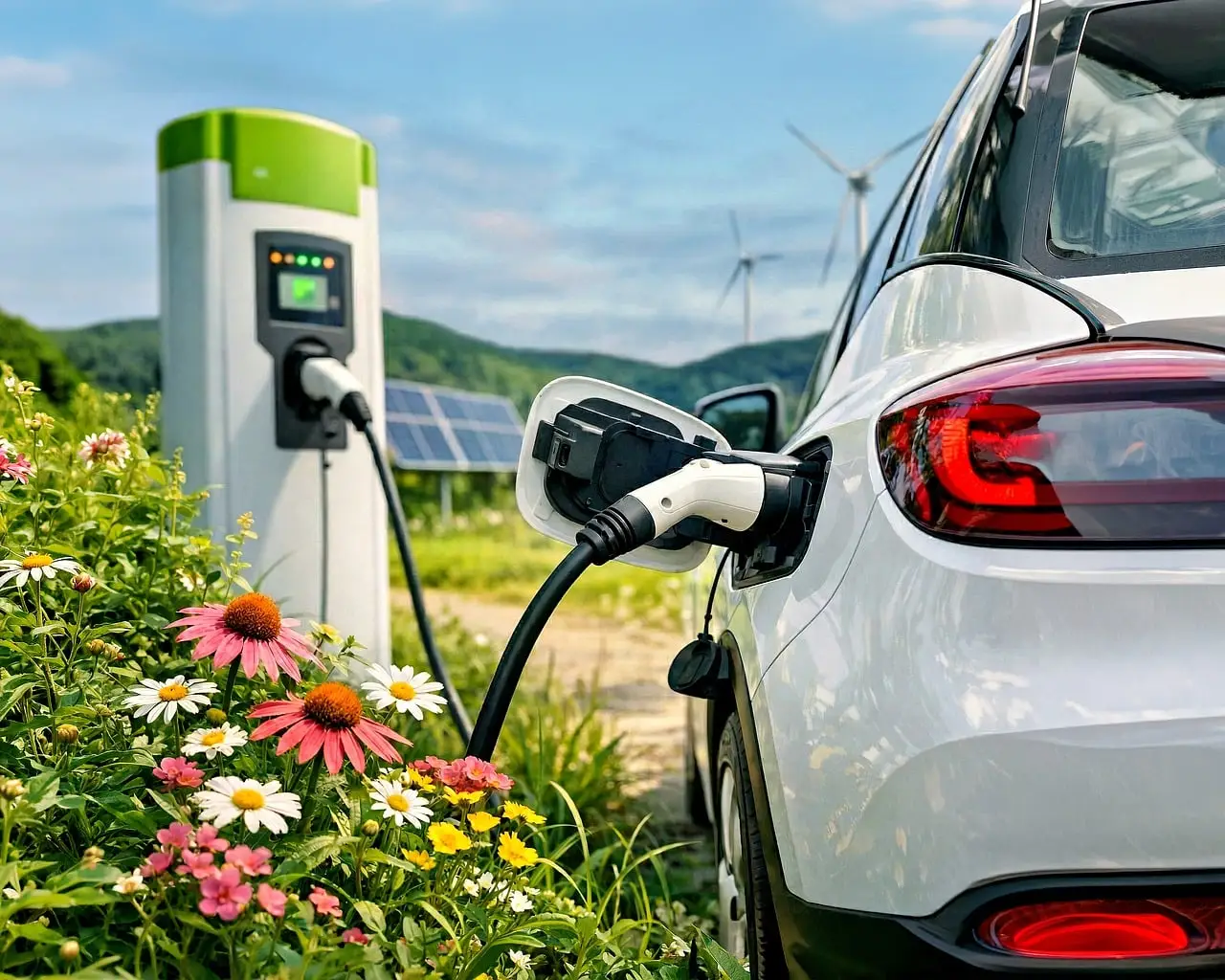
TUA Abruzzo has awarded a €28.04 million contract to Daimler Buses Italia and STI for 40 electric low-floor buses plus the charging hardware at its depot — roughly 12% below the €31.97 million estimate. The award was confirmed on 11 November 2026, some 14 months after the tender went out in September 2025.
What did Pescara actually order?
The tender covered two categories of low-floor urban buses, with an option for eight additional vehicles:
- 18 buses, maximum length 11 metres
- 22 Class I buses, maximum length 12.48 metres
- An option for eight further vehicles
- Planning, construction and maintenance of the charging and power supply infrastructure at TUA's Via Aterno depot in Pescara, also handled by the winning consortium
Spread across vehicles and charging works together, €28.04 million works out to roughly €700,000 per bus.
Takeaway: this is a 40-bus order with an eight-bus option attached, and the charging build sits inside the same contract rather than being tendered separately.
Who is paying for it?
The money comes from two public channels: the European Regional Development Fund, provided by the Abruzzo region, and resources allocated under Italy's National Strategic Plan for Sustainable Mobility, administered by the city of Pescara. The source text says the entire investment project is covered by those two pots, so neither the region nor the city has to bridge the gap from fare revenue.
Takeaway: this is a publicly funded fleet renewal, with the region and the city of Pescara both named in the award.
Why did range decide the bid?
A key focus of the bid evaluation was battery capacity and the resulting range of the vehicles. The specification requires each bus to complete a full daily shift in scheduled service without intermediate charging en route. That is what makes a one-for-one swap of diesel buses possible instead of a partial, mixed conversion.
Today, around 90 buses run Pescara's daily urban scheduled services, excluding reserve vehicles and trolleybuses. With the 40 new units commissioned, the city's electric fleet reaches 60 — about two-thirds of that daily-service count, on a like-for-like comparison.
Takeaway: the operational test is simple. A bus that needs a midday plug would undercut the whole one-for-one diesel replacement logic.
What happens at the Via Aterno depot?
The consortium will build canopies over 24 parking spaces, fit them with photovoltaic systems and charging stations, and connect the site to the grid. The electrical system is being designed for a higher connection capacity than the first 40 buses require, so the fleet can expand later without extensive rework. Daimler Buses Italia and STI will also maintain the charging and power supply infrastructure, not just hand it over.
Takeaway: 24 solar-covered bays against 40 buses means the first wave will not fit under the canopy all at once, which is why the connection capacity is being oversized.
When do buses and chargers actually show up?
The contract timeline is unusually specific:
- Execution planning completed within 45 days
- Technical inspections to follow
- Estimated construction period of 180 days
- Charging facilities operational between April and May 2027
- First bus deliveries scheduled between June and July 2027
Takeaway: the critical date is not the delivery slot but the charger go-live a couple of months ahead of it.
Which models are coming?
Daimler Buses has not disclosed the models involved. The company has announced its new generation of the eCitaro only for 2028, so the 40 vehicles in this order will predate that launch — a 2028 model would be an awkward fit for a 2027 delivery window.
What does TUA say?
Gabriele De Angelis, president of TUA, said: "This investment underscores TUA's commitment to the continuous renewal of its fleet, made possible by the funds provided by the Abruzzo region and the city of Pescara." He added: "From 2027, we aim to operate urban transport in Pescara without diesel buses, primarily using electric buses and, to a lesser extent, natural gas buses."
Treat that as a target rather than an accomplished fact. The claim of a diesel-free 2027 applies to a service still running on roughly 90 buses a day, and the vehicles are due only from June or July 2027.
Takeaway: the fleet order is signed and funded; the diesel-free date still depends on the chargers working and the buses arriving on time.
What to watch next
- Whether the eight-vehicle option gets exercised, and on what timeline
- Charging go-live at Via Aterno between April and May 2027
- First bus deliveries landing inside the June–July 2027 window
- How far the diesel-free target actually moves before the end of 2027
- Whether Daimler names the models, and whether the 2028 eCitaro generation picks up follow-on business from Abruzzo
The contract is done, the funding is committed and the calendar is unusually clear. The open question is whether the metal arrives before the last diesel bus does.
via tuabruzzo.it (Original)
More from Daniel Okafor
Show full bio
Senior reporter covering regulation, policy and their impact on Automotive manufacturing and vehicle production at Autoplant Brief.
337 articles
Also circulated
- Karsan wins 110-bus Milan electric order worth around €76 million
- EU to steer CEF and AFIF funds toward truck and bus charging
- Stellantis CEO warns of billion-euro cost inflation through 2028
- Croatia to launch €20 million EV incentive programme in October 2026
- Ebusco secures €12 million as output stalls at 19 buses