ECO-1862 · REV A · effective November 13, 2026
EV Manufacturing TransitionAPPROVEDEngineering notice
Hyundai Eyes $75.4M Stake in POSCO's Vietnam Graphite Plant
Hyundai signed a letter of intent on 3 November to consider a 100 billion won ($75.4m) stake in POSCO Future M's Vietnam synthetic graphite plant, which starts series production in 2028.
Scope of change
- Hyundai may invest 100 billion won (~$75.4m) in POSCO Future M's Vietnam graphite project under a 3 November letter of intent.
- POSCO Future M is investing approximately 357 billion won in a synthetic graphite plant in Thai Nguyen Province, Vietnam.
- Series production at the Vietnam plant is scheduled to begin in 2028.
- POSCO Future M signed a synthetic graphite anode contract worth ~1.015 trillion won in March 2026 with an unnamed automaker.
- The deal builds on an April 2025 letter of intent between Posco and Hyundai on steel and battery materials.
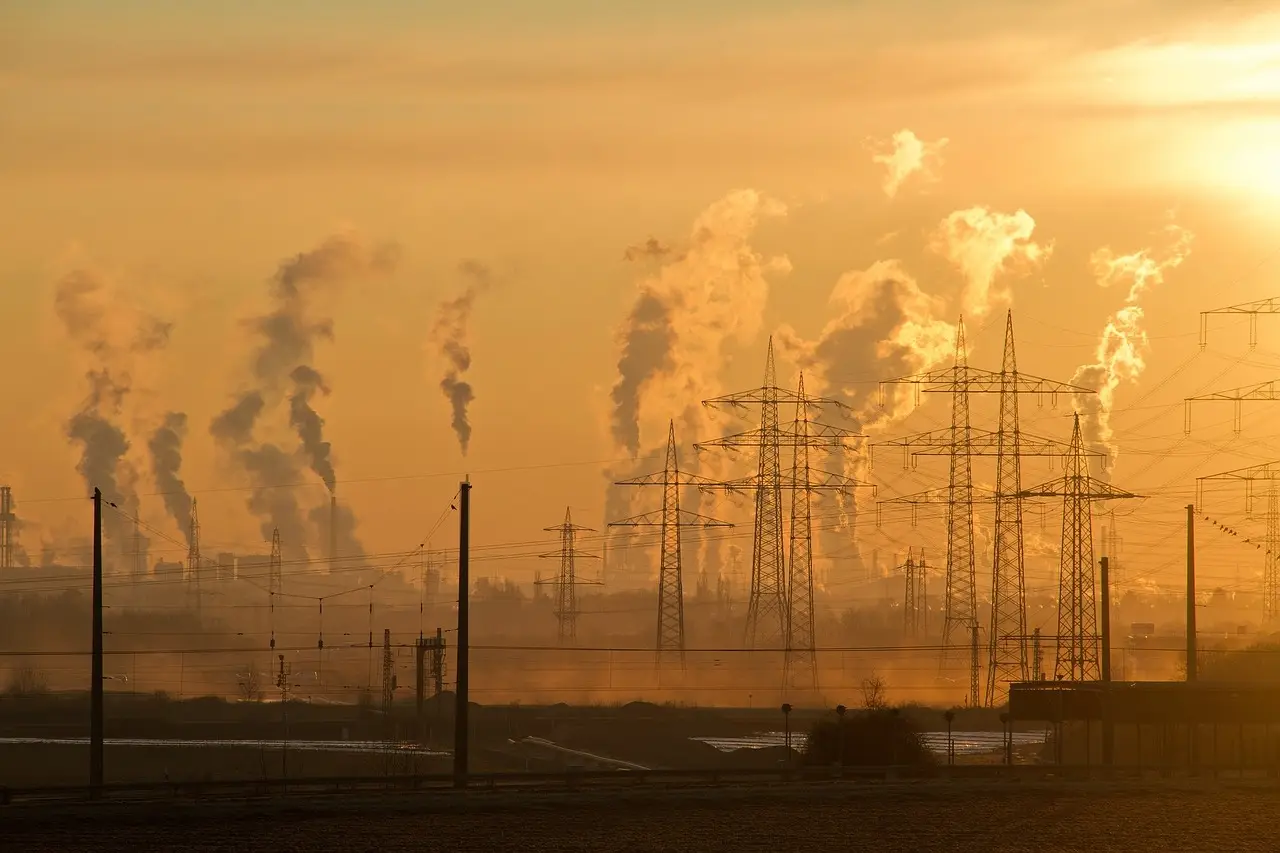
Hyundai Motor Group may invest 100 billion won, roughly 75.4 million US dollars, in POSCO Future M's synthetic graphite project in Vietnam. The two companies signed a letter of intent on 3 November. The deal is an intention, not a closed transaction, and Hyundai's participation depends on the plant's second investment phase.
What does the letter of intent cover?
Hyundai wants priority access to synthetic graphite produced at the site. The companies also plan joint development and quality evaluation of the material, which can be mined or made through a very energy-intensive synthetic process. The stated goal is adapting synthetic graphite anode materials to future battery-electric vehicle requirements.
Hyundai said nothing about volumes, pricing or the size of the stake under discussion. A letter of intent leaves every commercial term open.
Where will production happen?
POSCO Future M is building a synthetic graphite factory in Thai Nguyen Province, Vietnam. The company puts its own investment at approximately 357 billion won. Series production is scheduled to start in 2028, per POSCO's own statements.
For the first expansion phase, POSCO Future M says it has already secured customer orders. The company now prepares a second phase, in which Hyundai could participate through the planned equity stake. No capacity figures for either phase have been disclosed.
Why graphite, and why now?
Synthetic graphite serves as anode material in lithium-ion batteries. POSCO Future M highlights its potential for high charging power and long battery life. The material is gaining strategic weight because automotive and battery manufacturers want to diversify graphite supply chains, most of which are concentrated in China for both natural and synthetic material.
POSCO Future M aims to cover the full value chain for both graphite routes, from raw materials and intermediates to finished anodes. The company has stacked up long-term supply agreements in recent years:
- July 2025: agreement to supply natural graphite anode material to a major Japanese battery manufacturer.
- October 2025: a second natural graphite contract worth 671 billion won.
- March 2026: a synthetic graphite anode contract worth around 1.015 trillion won with an unnamed global automaker.
The counterparty names on the two most recent deals remain undisclosed, so the scale of POSCO's customer base cannot be verified against public production data.
How deep does the Hyundai-POSCO partnership run?
This deal builds on an existing relationship. In April 2025, Posco Group and Hyundai Motor Group signed a letter of intent to collaborate on steel and battery materials. In July 2026, the two companies and other partners launched a research project on high-silicon electrical steel to improve electric motor efficiency.
The graphite cooperation extends the alliance to another critical link in the EV value chain. For Hyundai, the stake could secure a strategically important battery raw material outside its existing supply chains — if the second phase proceeds and the terms hold.
What to watch next
The signposts are concrete: conversion of the letter of intent into a binding investment agreement, the disclosed size of Hyundai's stake, any capacity figures for Thai Nguyen, and whether the 2028 series-production start survives construction and qualification timelines. Watch also for the identity of the unnamed automaker behind the 1.015 trillion won synthetic graphite contract.
via electrive (Source)
More from Amara Osei
Show full bio
Market editor covering technology and product news in Automotive manufacturing and vehicle production at Autoplant Brief.
312 articles
Also circulated
- Hyundai plans $74 million stake in Vietnam battery-anode plant
- LGES preliminary supply pact with Posco Future M: 720,000 tons
- Vianode Seeks Partner to Fund 2-Million-EV Graphite Plant in Ontario
- Hyundai-Kia Puts $15.5bn on India's Table Through 2032
- Kia to Put $649 Million Into Mexico for First EV Production Line