ECO-5054 · REV O · effective November 13, 2026
Auto Industry PolicyAPPROVEDEngineering notice
Audi turns end-of-life vehicles into a business line from 2027
Audi Circular Solutions launches in early 2027 to sell used parts, dismantle vehicles and secure recycled plastics — a profit-seeking push ahead of EU recycled-content rules.
Scope of change
- Audi Circular Solutions, a wholly owned subsidiary, starts operating in early 2027.
- It launches a central sales channel for used genuine Audi parts in Germany, with other European markets and other brands' parts to follow.
- The unit builds on Audi's MaterialLoop pilots and VW Group's circular strategy, including an industrial dismantling line at Zwickau.
- The EU's planned End-of-Life Vehicles Regulation would set minimum recycled plastic content for new cars.
- Millions of end-of-life vehicles leave the EU's official recycling system each year.
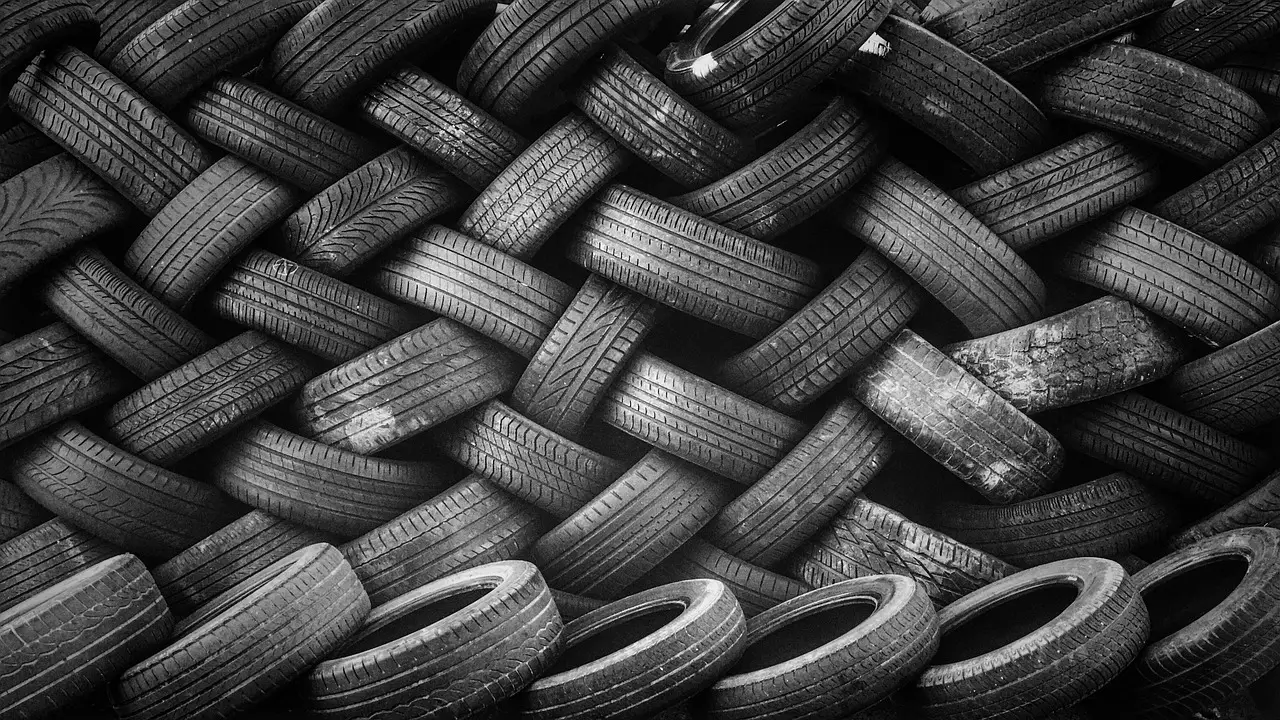
Audi has set early 2027 as the start date for a wholly owned subsidiary that will sell used genuine parts, dismantle old vehicles and feed recovered raw materials back into the carmaker's supply chain.
The unit, Audi Circular Solutions, marks the first time the brand has organised end-of-life vehicles as a standalone business rather than a compliance chore. It launches with a central sales channel for used genuine Audi parts, targeting private and business customers in Germany first, then other European markets. Parts from other brands will follow.
From there, the subsidiary's remit widens. It will buy used vehicles and components, manage a network of specialist dismantling partners across Europe, and secure secondary raw materials — recycled plastics being a key focus. It will start with vehicles Audi already owns, such as its internal fleet, before reaching out to buy from outside.
What does the new unit actually do?
Three jobs, in sequence:
- Sell used genuine Audi parts through one central channel, private and business customers, Germany and Europe.
- Purchase used vehicles and components, and coordinate a network of specialist dismantling partners.
- Recover secondary raw materials for Audi's supply chain, with recycled plastics as the priority.
Michael Gick, Managing Director of Audi Circular Solutions, frames the partner network as the speed mechanism: "Our collaboration model combines Audi's strengths with the expertise of specialized partners working locally across Europe. This lets us move quickly to implement the circular economy consistently and, step by step, build a scalable, profitable business model."
That last word — profitable — is doing real work. Audi says it wants the business to make money, not merely absorb the cost of regulation. That's a higher bar than most compliance units clear.
Why recycled plastics, and why now?
Regulation supplies part of the answer. The EU's planned End-of-Life Vehicles Regulation would set minimum recycled plastic content for new cars. Securing supply before the mandate bites makes commercial sense; scrambling for post-consumer material afterwards does not.
The new unit doesn't start from zero. It builds on Audi's MaterialLoop pilot projects and the Volkswagen Group's wider circular economy strategy, which already includes an industrial dismantling line at the Zwickau plant. Group-level precedent exists. What's new is a dedicated company with its own P&L ambitions.
Who should worry?
Independent dismantlers and aftermarket distributors, mostly. A central OEM-run channel for used genuine parts — later extending to other brands — puts Audi in direct competition with the independents, and could influence repair costs for insurers and fleet operators. When the OEM controls both the parts catalogue and the used-parts channel, pricing leverage shifts.
The second pressure point is feedstock. Millions of end-of-life vehicles leave the EU's official recycling system each year. Buying vehicles directly suggests Audi sees control over scrappage volumes as essential — circular business models don't work if the raw material leaks out of the loop before you can get it.
What to watch next
Three checkpoints will tell us whether this is a business or a brochure. First, the early-2027 launch of the parts sales channel in Germany. Second, whether the dismantling network moves beyond Audi's own fleet to third-party vehicle purchases — that's the volume test. Third, the final shape of the EU's End-of-Life Vehicles Regulation and its recycled plastic minimums, which will decide how valuable this supply chain really becomes.
Audi has put a date and a managing director on circularity. The profitability claim is the part still waiting for evidence.
via Automotive World (Source)
More from Daniel Okafor
Show full bio
Senior reporter covering regulation, policy and their impact on Automotive manufacturing and vehicle production at Autoplant Brief.
337 articles
Also circulated
- Volkswagen sells German plant as it shifts site to defense production
- Audi splits China brands between FAW and SAIC partnerships
- Audi Commits $4 Billion to Georgia Assembly Plant, 200,000-Unit Capacity
- LG Chem and Volkswagen Group Sign MoU on Lightweight Materials
- Audi splits China brands: FAW takes four rings, SAIC takes AUDI