ECO-5513 · REV Z · effective November 14, 2026
Auto Industry PolicyRELEASEDEngineering notice
Recycled Lead Met 70% of US Consumption in 2025 — and It Is the Only Domestic Source Left
Recycled lead met 70% of U.S. consumption in 2025 and is the only domestic source of refined lead. A new case for treating battery scrap as strategic feedstock.
Scope of change
- Recycled lead supplied an estimated 70% of U.S. consumption in 2025, roughly 1 million tons, nearly all from old batteries.
- China refines an estimated 73% of global cobalt, 68% of nickel and 59% of lithium.
- China's late-2024 antimony export restrictions cut global exports to about one-third of prior levels and quadrupled prices.
- The last U.S. primary lead refinery closed in 2013; net import reliance for refined lead rose from 27% in 2024 to about 33% in 2025.
- The article calls for making the Commerce Department's black mass export restrictions permanent and extending them to spent lead-acid batteries.
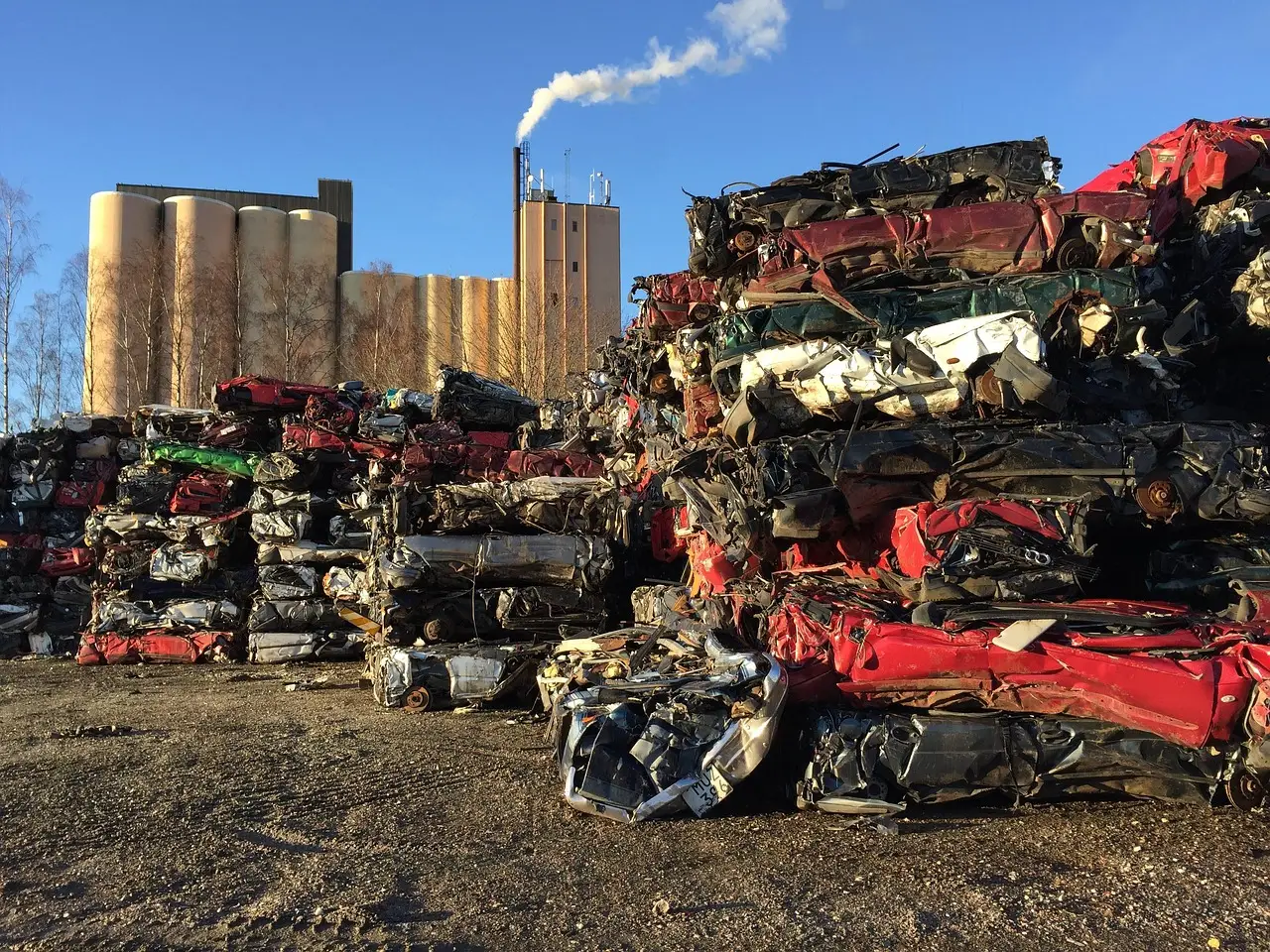
Recycled lead supplied the equivalent of 70% of U.S. consumption in 2025 — roughly 1 million tons of secondary lead — and recycling now stands as the country's only domestic source of refined lead. That figure anchors a new argument from Mihir Torsekar, senior economist at the Coalition for a Prosperous America, who contends that battery scrap and manufacturing scrap have become critical industrial resources rather than waste streams.
The core problem, Torsekar writes, is refining capacity. China now refines an estimated 73% of the world's cobalt, 68% of nickel and 59% of lithium. That leverage produces acute vulnerabilities when Beijing chooses to use it.
What happened when China restricted antimony?
In late 2024, China restricted antimony exports. Global exports fell to roughly one-third of prior levels, and prices rose to more than four times their historical average. Antimony matters because it is an alloy input with no ready substitute in high-reliability applications, and it is present in a large share of America's lead batteries, including units for military vehicles and telecommunications. The restriction quickly hamstrung U.S. industry.
A similar pattern has played out for gallium, germanium, graphite and rare earth metals. The precedent runs deep: in 1995, Indiana rare earth magnet producer Magnequench was sold to Chinese entities. Beijing assured Washington that production would stay in the United States, yet the company began moving operations to China in 2001. The U.S. has spent two decades since trying to rebuild rare earth capacity.
Why is battery scrap now a strategic feedstock?
In July, the Trump administration issued a determination on recoverable critical minerals and materials. The president stated that the United States "relies heavily on imports of certain CMMs from foreign sources, and this reliance threatens serious, sustained supply chain disruptions."
Torsekar's answer is to treat recovered batteries, manufacturing scrap and other secondary materials — including the battery scrap known as "black mass" (the shredded residue of spent batteries) — as strategic feedstocks rather than waste.
Lead batteries show the mechanism at work. Nearly all secondary lead comes from recycled batteries, and those spent lead-acid batteries also contain recoverable antimony and tin, giving them value beyond the lead itself. Yet U.S. refining capacity remains constrained: the last primary lead refinery closed in 2013, and nearly all domestic lead concentrate is now exported.
The dependence numbers moved the wrong way even as recycling scaled. Net import reliance for refined lead rose from 27% in 2024 to roughly 33% in 2025.
What policy changes does the argument call for?
Torsekar urges the administration to act on three fronts:
- Make permanent the Commerce Department's "black mass" policy restricting battery scrap exports unless a company receives federal approval.
- Close circumvention gaps for lithium-ion materials.
- Extend the export restriction order to include spent lead-acid batteries as well as battery scrap.
The administration has already announced steps to jumpstart U.S. mining, including investments in rare earth production and a "Project Vault" to stockpile key minerals. Torsekar argues the ongoing export of scrap — and its re-import as refined product — deepens dependence on foreign processing regardless.
Recovered material from end-of-life batteries, magnets and manufacturing scrap is, in his assessment, the only realistic domestic feedstock for midstream processing capacity in the United States. He warns that limited substitutes and weak processing capacity will be insufficient to meet future military and industrial needs if the practice continues.
What to watch next: whether the Commerce Department's black mass restrictions become permanent, and whether the order extends to spent lead-acid batteries before China's processing advantage hardens further.
via whitehouse.gov (Original)
More from Sophie Lindqvist
Show full bio
Correspondent covering money, funding and market shifts around Automotive manufacturing and vehicle production at Autoplant Brief.
299 articles
Also circulated
- China Eyes Recycled EVs as Feedstock for Its EV Manufacturing Boom
- DOE launches BattMan to close battery supply chain gap by 2030
- US Rare Earth Buildout Gathers Pace as China Holds 90% of Refining
- Yttrium at $1.15 Million a Tonne: The Price Gap Driving Africa's Rare Earth Push
- Rare Earth Supply Fragility Puts Auto Industry's Magnet Supply in Focus