ECO-6907 · REV X · effective October 9, 2026
Auto Industry PolicyRELEASEDEngineering notice
Korea to Cut Hyundai EV Plant Permits From 40 Months to 12
South Korea will cut Hyundai's EV-plant permitting timeline from 40 months to 12 months, Seoul Economic Daily reported, a roughly 70 percent compression of the approval window for new electric-vehicle factories at the country's largest automaker.
Scope of change
- Permit timeline for Hyundai EV plants cut from 40 months to 12 months, per Seoul Economic Daily
- Reduction applies specifically to EV-dedicated production facilities, not all automotive permits
- Korean automotive permitting currently runs through MOTIE and the Ministry of Land, Infrastructure and Transport
- The 12-month figure is a government objective, not yet published as formal regulation
- Hyundai's existing Korean footprint spans Ulsan, Asan, Jeonju, and the Seoul R&D center
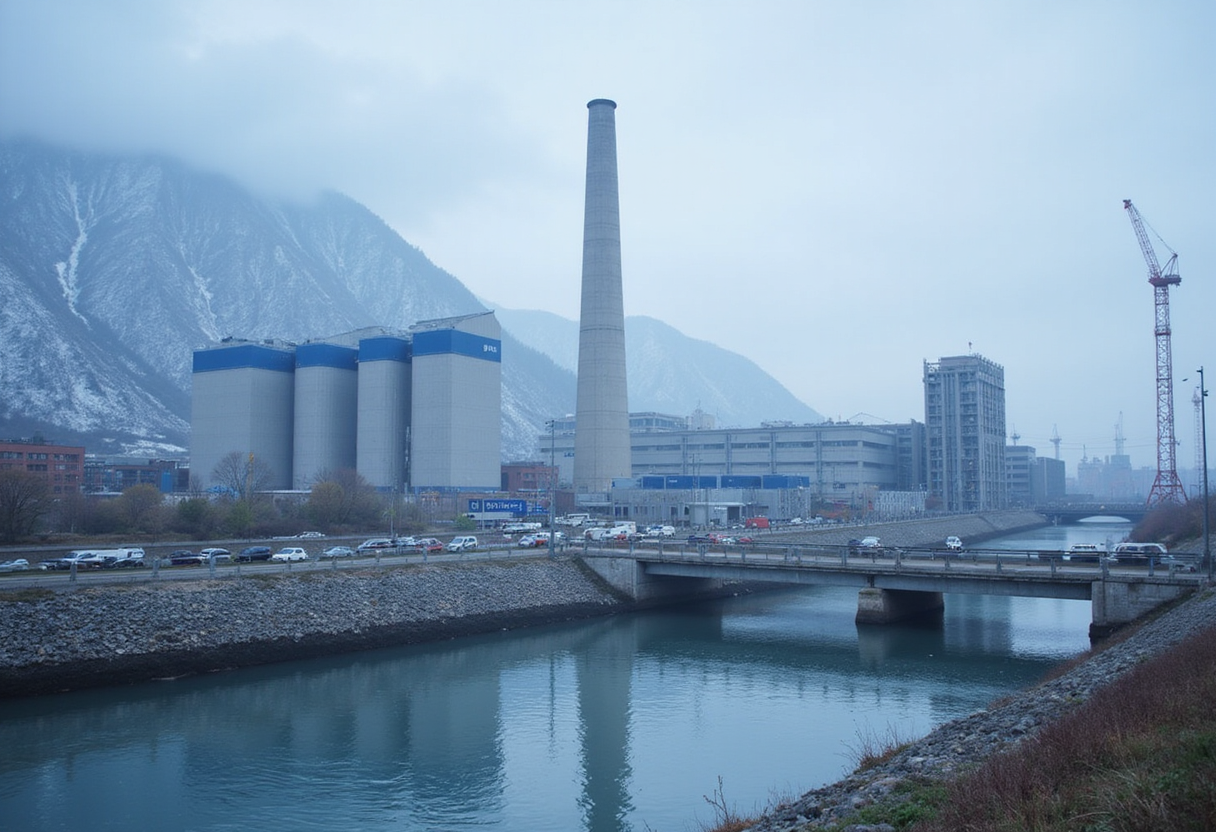
South Korea will cut the permitting time for Hyundai Motor Group's electric-vehicle plants from 40 months to 12 months, Seoul Economic Daily reported, a roughly 70 percent reduction in the approval window for new EV factories at the country's largest automaker.
The headline figure — permits cut from 40 to 12 months — applies to EV-dedicated production facilities, per the report. Seoul has framed the move as a regulatory acceleration for domestic EV manufacturing.
Why compress permitting now?
Korea competes with Japan, China, and the United States for EV manufacturing investment. The 40-month baseline has placed Korean plants at a structural disadvantage against U.S. and Canadian sites, where EV factories have moved from groundbreaking to production in 18 to 24 months.
For Hyundai, shorter permitting cycles let the company move from board approval to structural completion within a single product-development cycle. That alignment matters as battery-supply contracts and platform rollouts are negotiated on multi-year horizons.
Korea's automotive plant permitting runs through the Ministry of Trade, Industry and Energy and the Ministry of Land, Infrastructure and Transport. Reviews cover environmental impact, land use, and local zoning. Hyundai's larger investments have historically moved through a fast-track designation, though the 40-month baseline suggests that mechanism has offered limited time savings.
What the change covers — and what it does not
The 12-month target is specific to EV-dedicated manufacturing permits, rather than a blanket cut across all automotive approvals. The Seoul Economic Daily report does not specify whether battery-cell plants, hybrid-vehicle facilities, or combustion-only sites fall under the same accelerated process.
Hyundai's existing Korean footprint spans Ulsan, Asan, Jeonju, and the Seoul R&D center. Whether the acceleration applies to expansions at those sites or only to greenfield EV plants is not addressed in the reporting.
Confirmed plan versus written rule
The 12-month figure is a stated government objective. The mechanism — executive order, ministerial directive, or National Assembly amendment — has not yet appeared in the Korean gazette or ministry press releases.
Until the formal instrument surfaces, manufacturing watchers should treat the 40-to-12-month cut as a direction rather than an implemented rule. Seoul Economic Daily describes the cut as a plan, not as published regulation.
How the chain breaks down
- OEM: Hyundai Motor Group operates the affected plants under the Hyundai and Kia brands.
- Tier 1 suppliers: Battery suppliers LG Energy Solution, SK On, and Samsung SDI sit outside Hyundai's direct permit scope but feed its EV lines.
- Permitting authorities: MOTIE and the Ministry of Land coordinate the review.
- Comparators: Hyundai Metaplant America (Georgia) cleared permits in roughly 24 months, per U.S. county filings.
What to verify next
Manufacturing editors should pull the formal regulatory instrument that establishes the 40-to-12-month baseline once it publishes. The more useful data point will be the first permit cycle under the new rules. If an application clears review in under 12 months, the regulatory change becomes operational. If not, the 40-month status quo resumes.
Watch, in order:
- The ministry press release or gazette notice carrying the 12-month target
- Whether the acceleration covers Hyundai's existing Ulsan, Asan, and Jeonju complexes or only future EV sites
- Whether battery-cell suppliers gain parallel acceleration for cell-plant permits
- The first permitting application filed under the new rules, and whether it closes within 12 months
The broader signal: Seoul is treating EV plant permitting as strategic infrastructure. The competition for the next Hyundai EV site is now a regulatory race as much as an industrial one.
via Google News: EV manufacturing (Source)
More from Amara Osei
Also circulated
- South Korea slashes Hyundai EV plant rebuild permit window to one year
- Hyundai to Fast-Track Ulsan EV Plant Conversion, Report Says
- Hyundai to fast-track Ulsan plant conversion to EV output
- Kia earmarks $649 million for a dedicated Mexico EV plant
- CommercialSearch Report: EV Production Growth Loses Steam