ECO-4603 · REV H · effective November 5, 2026
EV Manufacturing TransitionRELEASEDEngineering notice
Mercedes-Benz India assembles electric GLC, sold out until March 2027
Mercedes-Benz India assembles the electric GLC 400 4MATIC at 7.85 million rupees, just 2 per cent above the ICE GLC, with 1,000-plus bookings and supply sold out to March 2027.
Scope of change
- Mercedes-Benz India assembles only the electric GLC 400 4MATIC, AMG Line trim, at 7.85 million rupees (~€73,800)
- More than 1,000 bookings received; supply sold out until March 2027
- EV attracts 5 per cent GST versus 40 per cent for the ICE GLC, enabling a price gap of only about 2 per cent
- Deliveries begin around Diwali, 8 November; 550 pre-bookings arrived in the first 36 hours
- 94 kWh battery, up to 330 kW charging, 711 km WLTP range certified by ARAI
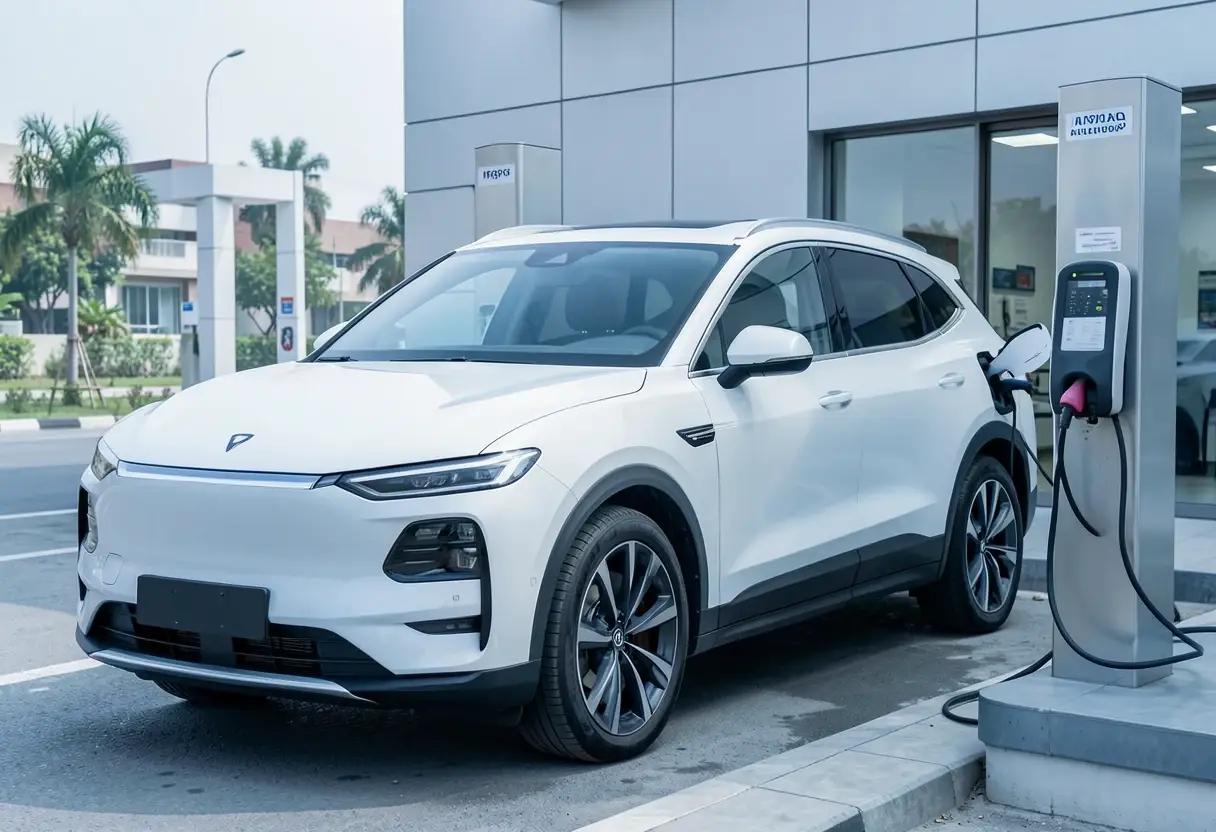
Mercedes-Benz India has more than 1,000 bookings and a production allocation sold out until March 2027 for the electric GLC, which began local assembly at the company's Indian operation and launched immediately after roll-out.
The German luxury carmaker assembles only the top-end 400 4MATIC variant in India and offers it in a single trim, the AMG Line, at 7.85 million rupees (approximately €73,800). That price excludes registration cost, insurance and the 1 per cent TCS (Tax Collected at Source, an advance tax levied on the buyer).
Why can the EV undercut expectations on price?
The mechanism sits in India's tax code. The electric GLC costs only about 2 per cent more than the entry-level combustion-engined GLC, which retails from 7.70 million rupees (roughly €72,400). The ICE GLC, launched in 2016, attracts 40 per cent GST (Goods and Services Tax), whereas the electric sibling, built on the MB.EA-M platform, attracts 5 per cent. That 35-point gap lets Mercedes-Benz price the EV almost level with the combustion model.
What did management say at the launch?
Managing Director and CEO Santosh Iyer said the company plans to begin deliveries during Diwali, which falls on 8 November and traditionally marks a peak sales period, particularly in the luxury segment. Demand already exceeds supply.
"This car is sold out till March of '27, and now I'm requesting my board and colleagues back in Stuttgart to get us more cars, more kits, so that we can produce more here," Iyer said. The comment signals a request for additional knock-down kit volume rather than a confirmed capacity increase — worth tracking separately.
Global leadership attended the event, including Supervisory Board Chairman Martin Brudermueller and CEO Ola Kallenius. Kallenius framed the model against a decade of Indian sales history.
"The GLC is our best-selling model. Here in India, it's been on the roads for a decade now, with more than 22,000 units sold, and I'm sure the electric GLC will build on that success. In fact, it has already set off at full speed. More than 550 pre-bookings in the first 36 hours. This is a new record for us in India," Kallenius said.
What are the technical specifications?
The electric GLC 400 4MATIC uses two motors, one per axle, producing a combined 360 kW and 800 Nm of torque. The drivetrain delivers:
- 0–100 kph in 4.3 seconds
- An electronically limited top speed of 210 km/h
- A 94 kWh battery pack with charging at up to 330 kW
- A WLTP range of 711 km, certified in India by the Automotive Research Association of India (ARAI)
The ARAI certification matters for the Indian market: it gives the 711 km figure local regulatory standing rather than relying solely on the European cycle.
What to watch next
Three data points will define this programme. First, whether Stuttgart grants Iyer's request for additional kits, which would convert an allocation constraint into a real capacity decision. Second, the Diwali delivery wave on 8 November, which will show how fast the sold-out order book converts into registrations. Third, whether the 5 per cent GST treatment holds, because the tight ICE-EV price gap depends entirely on it.
via youtube.com (Original)
More from Sophie Lindqvist
Show full bio
Correspondent covering money, funding and market shifts around Automotive manufacturing and vehicle production at Autoplant Brief.
265 articles