ECO-6535 · REV B · effective November 10, 2026
Quality & InspectionRELEASEDEngineering notice
LG's Re.Pulse grades used EV cells in under 10 minutes
LG Energy Solution says Re.Pulse grades used-battery health in under 10 minutes per cell, versus seven hours for conventional discharge testing. CES 2027 honoree status doesn't verify the claim.
Scope of change
- Re.Pulse returns a state-of-health reading in under 10 minutes; conventional discharge-cycle testing takes upwards of seven hours
- The software grades batteries cell by cell and routes each toward reuse, remanufacturing or recycling
- LG Energy Solution was named a 2027 CES Innovation Awards honoree for the software
- CES organiser the Consumer Technology Association did not verify the claims or test the product
- Re.Pulse runs on standard capacity testers and EV chargers
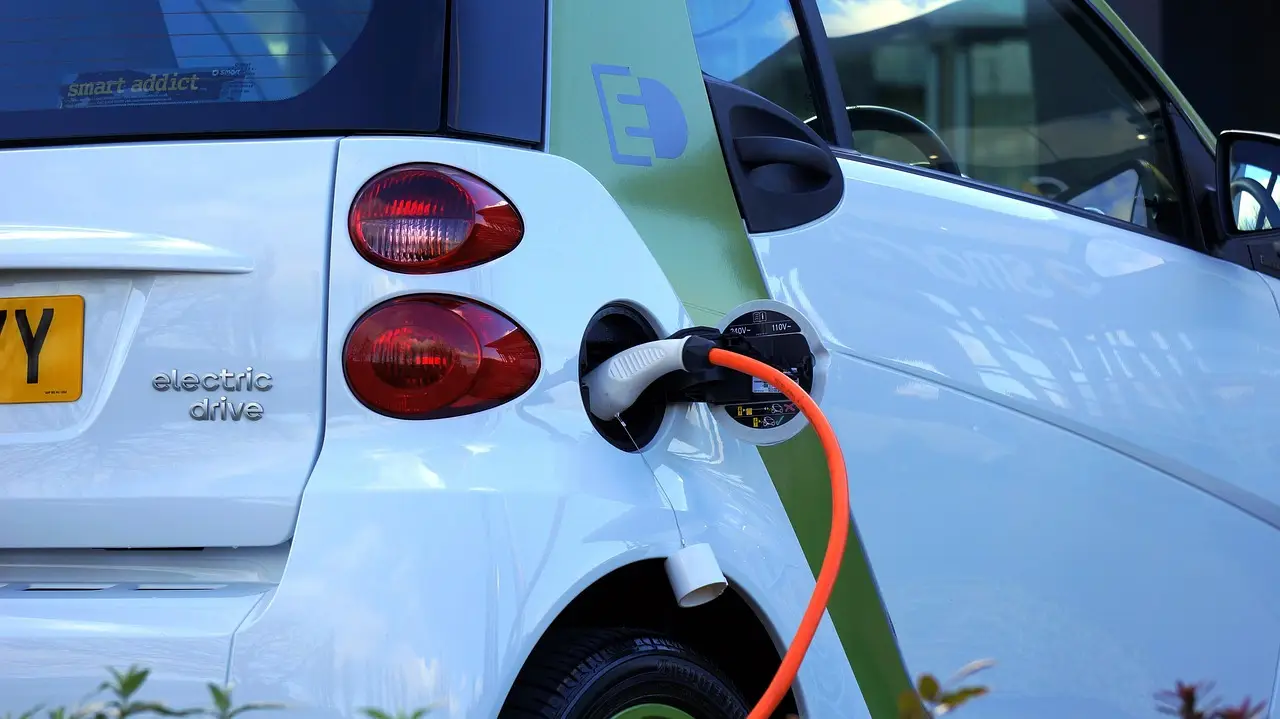
Ten minutes, cell by cell. That's the reading time LG Energy Solution claims for Re.Pulse, its new battery state-of-health (SoH) grading software — and the claim has earned the company honoree status in the 2027 CES Innovation Awards.
The numbers explain why anyone in battery logistics should care. Conventional SoH testing runs a full discharge, recharge and discharge cycle that takes upwards of seven hours. It also treats the pack as one unit, which means local degradation inside individual cells can go unseen. Re.Pulse cuts that to under 10 minutes per reading, and it grades each cell separately rather than the pack as a whole.
How does the pulse method work?
The software sends current pulses through a battery — installed in a vehicle or removed — and reads the voltage response. From that response it derives a cell-level health grade, then steers each battery toward one of three destinations: reuse, remanufacturing or recycling.
That triage matters commercially. Cell-level data lets operators repair or replace specific modules instead of scrapping an entire pack when only part of it has degraded. Fewer usable batteries get binned early. The software also runs on standard capacity testers and electric vehicle chargers, so operators don't need purpose-built hardware to deploy it.
The timing isn't accidental. As electrification spreads, second-life economics — whether a retired EV pack is worth reselling, rebuilding or breaking down for materials — hinge on fast, trustworthy health data. A seven-hour lab-style test doesn't scale to the volumes of packs now coming off the road. A 10-minute reading on existing chargers does.
What does this change for battery operators?
For remanufacturers and recyclers, potentially a lot: finer cell-level data plus standard hardware plus a 42-fold faster test cycle could reshape how used-battery intake lines are staffed and paced. But buyers should hold one caveat in mind. The CES Innovation Awards are run by the Consumer Technology Association, the trade show's organiser, and the CTA did not verify LG's claims or test the product. This is vendor-supplied performance data, not an independent benchmark.
LG framed the award as validation of its software pivot. Sanghoon Lee, Leader of the Pack/BMS (battery management system) Research Service Solution Department at LG Energy Solution, said in a statement: "The CES Innovation Award recognition demonstrates how our deep battery expertise can be combined with software innovation to create new value across the battery lifecycle. Through Re.Pulse, we aim to unlock greater value from used batteries by enabling more informed second-life decisions, while helping build a more sustainable and circular battery ecosystem."
Lee's department name itself signals the strategy: the Korean battery maker, a Tier 1 supplier to automakers including GM and Tesla's peers in the EV cell market, is packaging its cell know-how as software services rather than hardware alone.
What to watch next
The formal award presentation lands at CES 2027 in Las Vegas, where LG will face questions it can't answer with a press release: independent test results, named commercial customers, and pricing. Watch for the first third-party verification of that 10-minute figure — and for any battery recycler or vehicle OEM announcing it has adopted Re.Pulse in its intake process. Until then, treat the speed claim as announced intention, not confirmed capability.
via news.lgensol.com (Original)
More from Grace Kim
Show full bio
Staff writer covering people, launches and day-to-day practice in Automotive manufacturing and vehicle production at Autoplant Brief.
266 articles
Also circulated
- Chalmers study: cell bypass could stretch EV pack life by 20%
- Why Batteries Retire at 70-80% SoH, Not 0%: The Engineering Case
- AMG Lithium expands Frankfurt lab to 1,100 sq m for solid electrolyte cell testing
- LG Energy Solution runs 10th global battery research contest
- Hyundai, Kia and LGES test second-life EV batteries as charging buffers