ECO-9377 · REV J · effective October 30, 2026
Suppliers & Tier-1sRELEASEDEngineering notice
AMG Lithium expands Frankfurt lab to 1,100 sq m for solid electrolyte cell testing
AMG Lithium's Frankfurt lab grows to 1,100 sq m with a glovebox line and 200+ test stations, enabling cell-level validation of sulphide solid electrolytes for the first time.
Scope of change
- Frankfurt laboratory expanded by 250 sq m to around 1,100 sq m, centred on a glovebox line for full lab-cell production
- More than 200 test stations available for electrochemical investigation of sulphide solid electrolytes
- €36 million in STARK federal funding supports a €180 million investment in Bitterfeld-Wolfen
- Planned annual capacity of 20,000 tonnes of battery-grade lithium compounds, equivalent to roughly 34 GWh of batteries per year
- No customer projects, offtake agreements or solid electrolyte ramp-up timeline disclosed yet
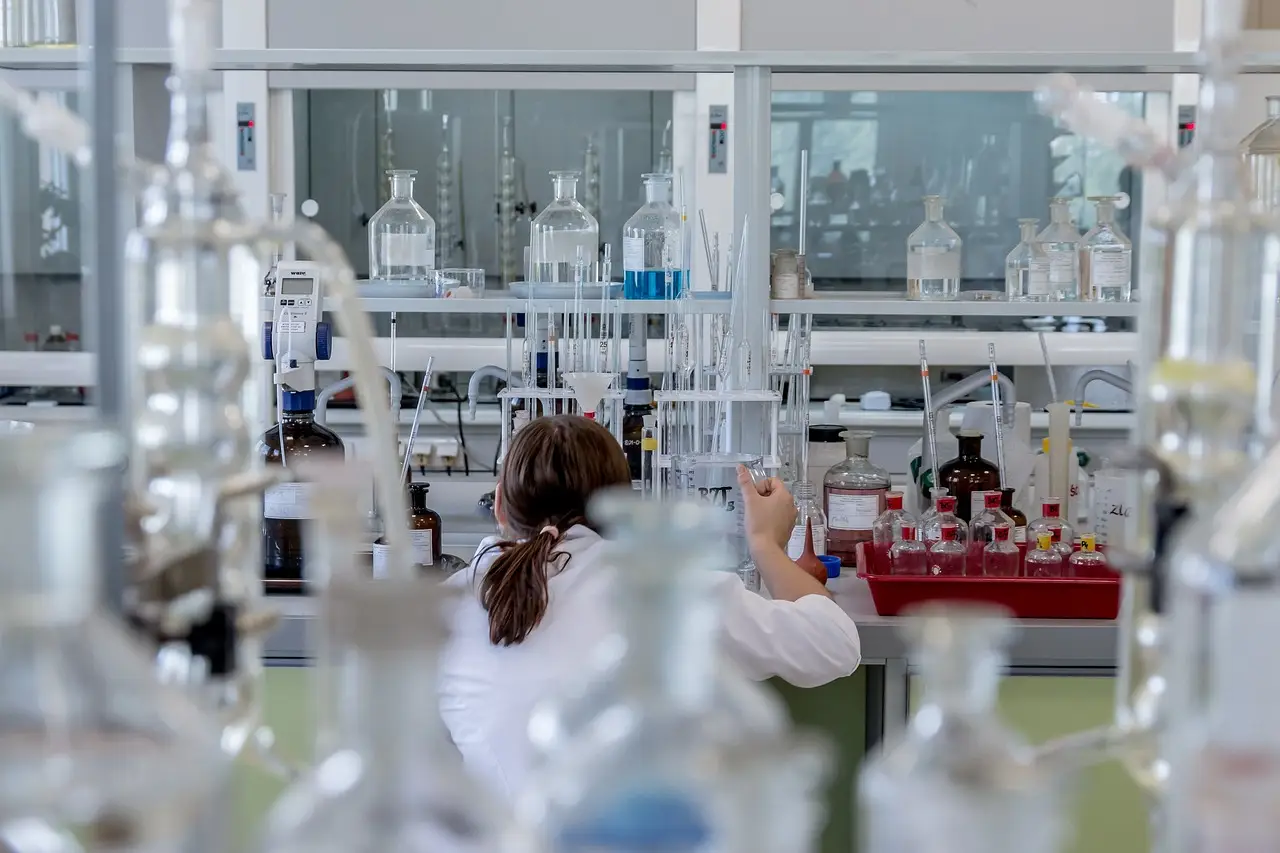
AMG Lithium has expanded its Frankfurt development site by 250 square metres to roughly 1,100 square metres, opening a test laboratory dedicated to solid electrolytes for future solid-state batteries. The centrepiece is a glovebox line (a sealed enclosure filled with inert gas that excludes air and moisture) that replicates the entire manufacturing process of laboratory cells under controlled atmospheric conditions.
The line covers electrode paste production, coating, cell assembly and final packaging as pouch cells (flat, foil-laminated battery cells). More than 200 test stations are available for electrochemical investigations, according to the company.
For a supplier at AMG Lithium's tier — a materials producer, not a cell manufacturer — the added square metres are the smaller part of the story. The real change is the ability to test its own materials under application-relevant conditions.
What does this change for customers?
Until now, AMG Lithium could characterise its solid electrolytes at the material level only. With the new laboratory, branded PerLa, the company can now examine those materials in complete battery cells using standardised test protocols. The company positions the step as an important building block for the market entry of its solid electrolyte technology.
The practical consequence: joint development projects with OEM and cell-maker customers become materially easier. Buyers of electrolyte materials routinely demand cell-level validation data before qualifying a supplier, because material properties that look strong on a laboratory scale must also prove themselves in interaction with electrodes, interfaces and real-world manufacturing processes. AMG Lithium now handles that interface between material development and cell validation in-house.
One boundary is explicit. The Frankfurt expansion does not include industrial cell production. AMG Lithium remains a materials supplier; the glovebox line produces laboratory cells for testing, not series output.
Sulphide electrolytes still face the scale-up question
AMG Lithium develops sulphide solid electrolytes in Frankfurt. These materials are designed to replace the liquid electrolytes used in today's lithium-ion cells, and the technology fundamentally promises gains in energy density and safety. It continues to face challenges in material stability, cell integration and industrial manufacturing — the reasons cell-level validation matters in the first place.
The company has not disclosed specific customer projects, offtake agreements or a timeline for a potential production ramp-up of solid electrolytes. Treat the market-entry framing as an announced intention rather than a confirmed programme.
Bitterfeld-Wolfen builds the industrial base
In parallel, AMG Lithium is expanding its industrial footing for battery materials in Germany. At Bitterfeld-Wolfen, the company is increasing capacity for battery-grade lithium salts, backed by €36 million in funding from the federal STARK initiative (a German support programme for structurally changing regions) within a total investment of €180 million.
The plan targets an annual capacity of 20,000 tonnes of battery-grade lithium compounds. According to the Federal Ministry for Economic Affairs, that volume theoretically corresponds to battery production of around 34 GWh per year.
What to watch next: the first disclosed customer or offtake agreement for the sulphide electrolytes, evidence of cell-level test results from the PerLa line, and progress milestones at Bitterfeld-Wolfen toward the 20,000-tonne capacity target.
via electrive (Source)
More from Marcus Bennett
Show full bio
News editor covering regulation, policy and their impact on Automotive manufacturing and vehicle production at Autoplant Brief.
256 articles
Also circulated
- Gelion Signs Material Transfer Deal with Top-15 Global Automotive OEM
- China Sets 2030 Target for Large-Scale Solid-State Battery Use
- Mercedes-Benz gains preferential access to ProLogium Gen4 battery cells for testing
- Ultium Cells to Convert Spring Hill Plant for LMR Cell Output
- Gotion targets 400 Wh/kg for Jinshi solid-state cells