ECO-2981 · REV D · effective November 16, 2026
Industry Analysis & MarketsRELEASEDEngineering notice
Indonesian Vehicle Sales Climb 10% to 81,482 Units in October
October wholesales hit 81,482 units, up 10%, as truck demand and Chinese-led BEV growth push the nine-month market up 20% to 760,476 units, Gaikindo data shows.
Scope of change
- October 2026 sales rose 10% year-on-year to 81,482 units (Gaikindo wholesale data)
- Nine-month market up 20% to 760,476 units; commercial vehicles up 40% to 208,570
- BEV sales nearly doubled to just under 133,000 units year-to-date on Chinese brands and tax incentives
- BYD sales surged 64% to 50,366 units, overtaking Honda (down 34% to 33,381 units) for fifth place
- GlobalData forecasts 2026 light vehicle sales of 810,000 units, then a 2% decline to 796,000 in 2027
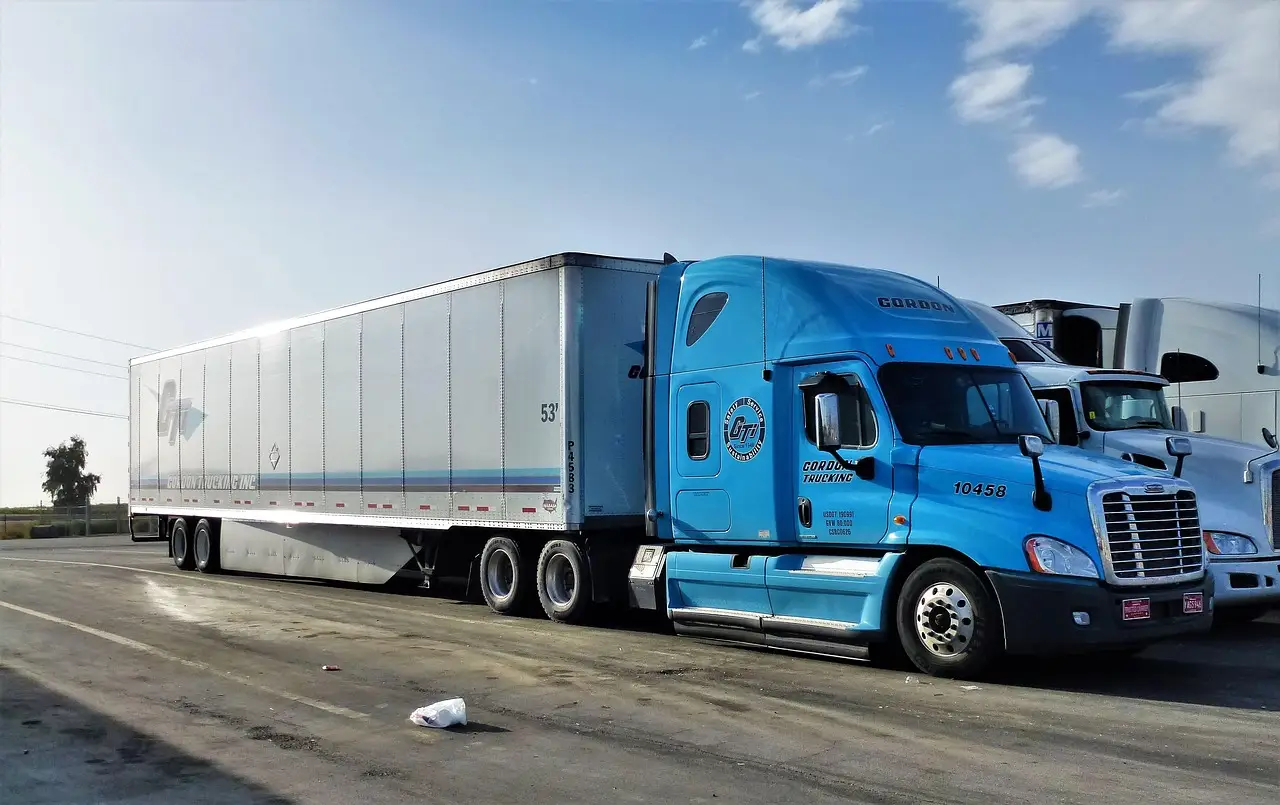
Indonesian new vehicle sales rose 10% year-on-year to 81,482 units in October 2026, up from 74,051 units a year earlier, according to wholesale data from Gaikindo, the local automotive industry association. Trucks and battery electric vehicles (BEVs) carried the market for a second consecutive quarter.
The recovery is now well established. In the first nine months of 2026 the market expanded 20% to 760,476 units, after an 11% decline to 635,456 units in the same period of 2025. Light passenger vehicle sales rose almost 14% to 551,906 units, while commercial vehicle sales surged 40% to 208,570 units. Within commercial vehicles, light- and medium-duty truck sales jumped 50% to 169,880 units.
What is pulling the truck market up?
Government procurement sits behind the commercial vehicle boom. Jakarta plans to buy vehicles to support the development of rural cooperatives and to improve regional logistics networks, and that spending is flowing directly into truck registrations. Mitsubishi-Fuso is one of the clearest beneficiaries: its sales surged 84% to 37,256 units, making it a prime winner of the rural logistics programme.
BEV demand almost doubled to just under 133,000 units year-to-date. Chinese brands lead that segment, supported by government tax incentives — a pattern familiar from other Southeast Asian markets where Chinese OEMs have used pricing and incentive structures to scale quickly.
Brand scorecard: Toyota steady, BYD surging, Honda sliding
Toyota still leads the overall market. In the first ten months its sales rose 9% to 221,358 units, with Daihatsu up 15% to 123,214 units after a sharp fall last year. Suzuki gained more than 19% to 59,328 units, helped by new model launches over the past year.
Mitsubishi Motors moved the other way, down 8% to 52,153 units. The bigger story is further down the table. BYD surged 64% to 50,366 units and took fifth place, overtaking Honda, whose sales plunged 34% to 33,381 units. For Japanese OEMs with Indonesian assembly footprints, that swap is the number to sit with: the fastest-growing challenger in the market is now outselling one of the region's legacy incumbents.
Macro tailwind, but not without friction
GDP growth accelerated to 5.5% year-on-year in the third quarter, up from 5.3% in the second, driven mainly by a pick-up in exports. Private consumption grew 5% despite recent central bank interest rate hikes. Government spending growth slowed to 9%, from 16% in the second quarter, as the state redirected money to cushion households against rising prices and borrowing costs.
Production and exports round out the picture. Total vehicle production rose 16% to 1,110,919 units in the first nine months, while exports of fully assembled vehicles edged up to 430,864 units. Domestic demand, not export volume, is doing the heavy lifting for Indonesian plants this year.
What does this change for planners?
For supply chain and capacity planners, the mix shift matters more than the headline. A 40% commercial vehicle market and a near-doubling of BEV volumes mean component demand is rotating toward truck chassis, light commercial drivetrains and EV-specific parts, away from the passenger segments where Honda and Mitsubishi are contracting.
GlobalData expects the run to moderate. Its forecast puts light vehicle sales up 8% at 810,000 units for full-year 2026, from 750,000 units in 2025, followed by a 2% decline to 796,000 units in 2027.
What to watch next: whether government cooperative procurement survives the 2027 budget round, and whether BYD's fifth-place position holds once Honda's next model cycle reaches Indonesian showrooms.
via just-auto (Source)
More from Marcus Bennett
Show full bio
News editor covering regulation, policy and their impact on Automotive manufacturing and vehicle production at Autoplant Brief.
321 articles