ECO-9905 · REV L · effective November 18, 2026
Industry Analysis & MarketsRELEASEDEngineering notice
EU electric truck sales hit 12,300 units in 2025, Destatis data shows
EU battery-electric truck and tractor registrations reached about 12,300 units in 2025, Destatis data shows. Diesel still held 89% of new trucks. The Netherlands leads on share at 45.6%.
Scope of change
- EU registered ~12,300 battery-electric trucks and tractor units over 3.5t in 2025 (Destatis); ACEA counted 12,858
- Electric share of new rigid trucks over 3.5t rose from 4.1% in 2024 to 7.7% in 2025; tractor units rose from 0.7% to 1.6%
- Diesel still powered 89.0% of new trucks and 94.7% of new tractor units in 2025
- Netherlands led electric rigid-truck share at 45.6%; Germany had the highest absolute volume (~4,200 trucks, 926 tractor units)
- ACEA data shows electric truck sales grew 71% year-on-year, from 7,508 to 12,858 units
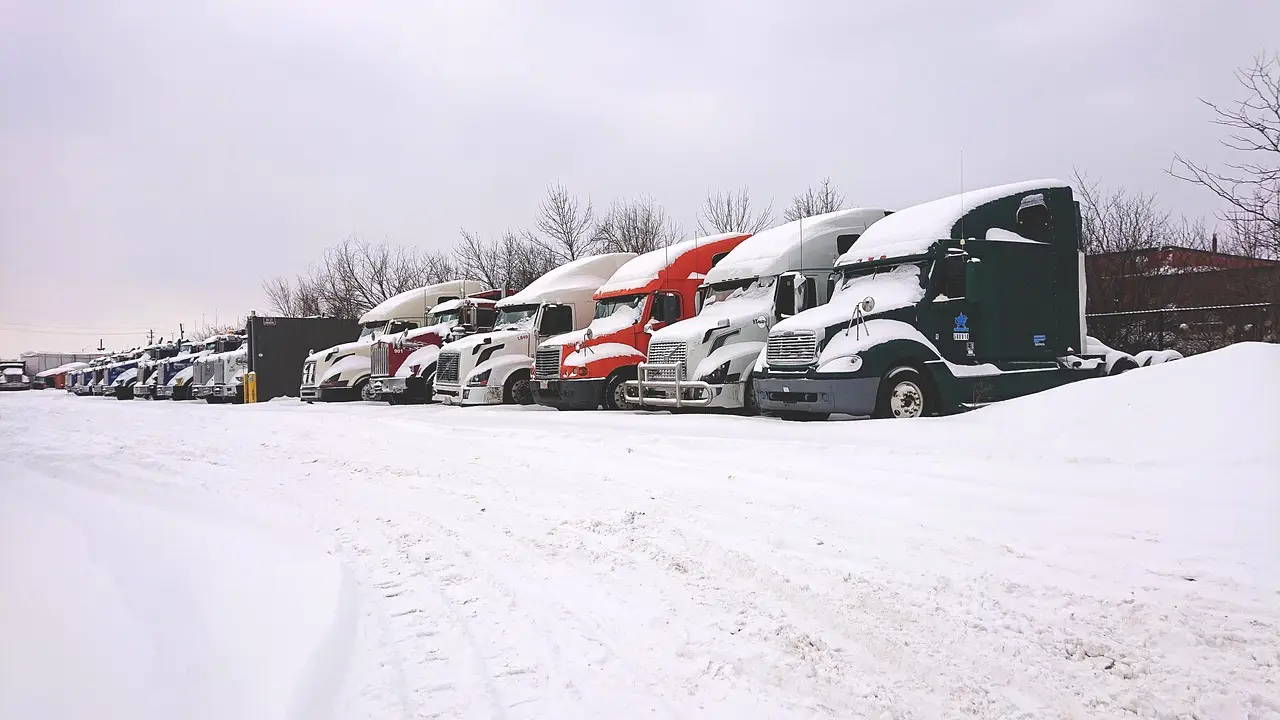
The EU registered roughly 12,300 battery-electric trucks and tractor units above 3.5 tonnes in 2025 — a market where diesel still powered 89.0 per cent of new trucks and 94.7 per cent of new tractor units. Those figures come from the German Federal Statistical Office (Destatis), which has published a 2025 breakdown by vehicle type that ACEA, the European automakers' association, doesn't provide.
How fast is the electric truck share actually growing?
Fast, from a small base. Classic rigid trucks over 3.5 tonnes — a fixed combination of cab and cargo area — saw their battery-electric share nearly double, from 4.1 per cent in 2024 to 7.7 per cent in 2025. Destatis counted 126,600 new trucks in the EU last year across all powertrains, of which about 9,800 were pure electric.
Tractor units lag well behind. Their electric share climbed from 0.7 per cent to 1.6 per cent, on total EU registrations of roughly 157,500 units — of which only about 2,500 were battery-electric. Put plainly: for every electric tractor unit sold, the EU registered more than 60 diesel ones.
"In 2025, 89.0 per cent of newly registered trucks over 3.5 tonnes in the EU were equipped with pure diesel engines," Destatis reports. "Other powertrain types, such as natural gas, played a minor role in new registrations." The takeaway: growth is real, but the fleet transition is barely out of first gear.
Which countries are buying?
Demand splits sharply across member states. Germany posted the highest absolute volume of battery-electric rigid trucks, around 4,200 units, and an 11.7 per cent share — comfortably above the EU average of 7.7 per cent. But Germany isn't the leader in percentage terms.
"The highest share of battery-electric trucks in truck registrations was in the Netherlands at 45.6 per cent, followed by Denmark at 27.1 per cent and Sweden at 16.7 per cent," the Destatis analysts said. The Netherlands at 45.6 per cent is an outlier that reshapes any reading of the EU average.
For tractor units, Greece leads on share at 11.2 per cent, ahead of Sweden (9.5 per cent), the Netherlands (7.3 per cent) and Denmark (6.0 per cent). Germany sits at 3.2 per cent but again tops the absolute count with 926 units, followed by the Netherlands with 502 and France with 331. Volume and share, it turns out, tell two different stories.
Why do Destatis and ACEA disagree by 558 units?
Destatis counts 12,300 electric units above 3.5 tonnes for 2025; ACEA's annual review reports 12,858. The gap is modest, and there are two plausible explanations.
- Scope: ACEA lumps BEVs and PHEVs together as "externally chargeable" vehicles, while Destatis isolates pure battery-electric drivetrains.
- Reporting: incorrect or late data from individual EU countries could account for the rest.
Both explanations are on the table; neither body has confirmed which holds. The lesson for anyone quoting these numbers is to check the methodology before comparing series.
Is the trend line up?
Yes, and steepening. ACEA's longitudinal data shows sales of battery-electric trucks and tractor units above 3.5 tonnes growing from 7,508 units in 2024 to 12,858 in 2025 — a 71 per cent increase. The registration share rose from 2.3 per cent to 4.2 per cent, driven largely by momentum in the medium-duty segment between 3.5 and 16 tonnes.
That detail matters for planners. Medium-duty urban and regional duty cycles are electrifying first, where range and payload penalties bite least. Long-haul tractor units — the hardest use case — remain overwhelmingly diesel, at a 1.6 per cent share that barely dents the incumbent.
What to watch next: whether the Netherlands' 45.6 per cent rigid-truck share holds in 2026, whether tractor-unit electrification breaks out of its low single digits as heavy-duty BEV models scale, and how the EU's CO2 targets for heavy vehicles translate into registration shares rather than announcement-stage intentions.
via destatis.de (Original)
More from Daniel Okafor
Show full bio
Senior reporter covering regulation, policy and their impact on Automotive manufacturing and vehicle production at Autoplant Brief.
353 articles
Also circulated
- EU and UK Move Toward Second Delay of EV Rules of Origin
- Eight 25-metre electric trucks now shuttle Fendt tractor cabs in Bavaria
- EU to steer CEF and AFIF funds toward truck and bus charging
- UK Output Up 5.7% in August, but SMMT Warns £1bn Investment at Risk
- Tesla Semi Production Starts in Nevada: 50,000-Truck Capacity, No Volume Commitment