ECO-1107 · REV V · effective November 16, 2026
Industry Analysis & MarketsRELEASEDEngineering notice
Xpeng cuts net loss to CN¥0.87bn as Q3 revenue hits CN¥24.28bn
Xpeng trimmed its net loss to CN¥0.87bn as Q3 revenue climbed 23% to CN¥24.28bn, with richer models lifting vehicle margin to 13.1%. Q4 guidance calls for up to 174,000 deliveries.
Scope of change
- Q3 revenue rose 23% QoQ to CN¥24.28bn (US$3.62bn); net loss narrowed to CN¥0.87bn from CN¥1.34bn.
- Deliveries hit 118,390 (+2.1% YoY); average revenue per vehicle rose to ~CN¥183,000 from ~CN¥156,000.
- Q4 guidance: 169,000-174,000 deliveries and CN¥30.40bn-31.80bn revenue.
- Inventory climbed to CN¥16.86bn from CN¥10.38bn at end-2025; short-term borrowings more than doubled to CN¥10.68bn.
- L4 robotaxi demonstration operations approved across Guangzhou in October; charging network at 4,035 stations.
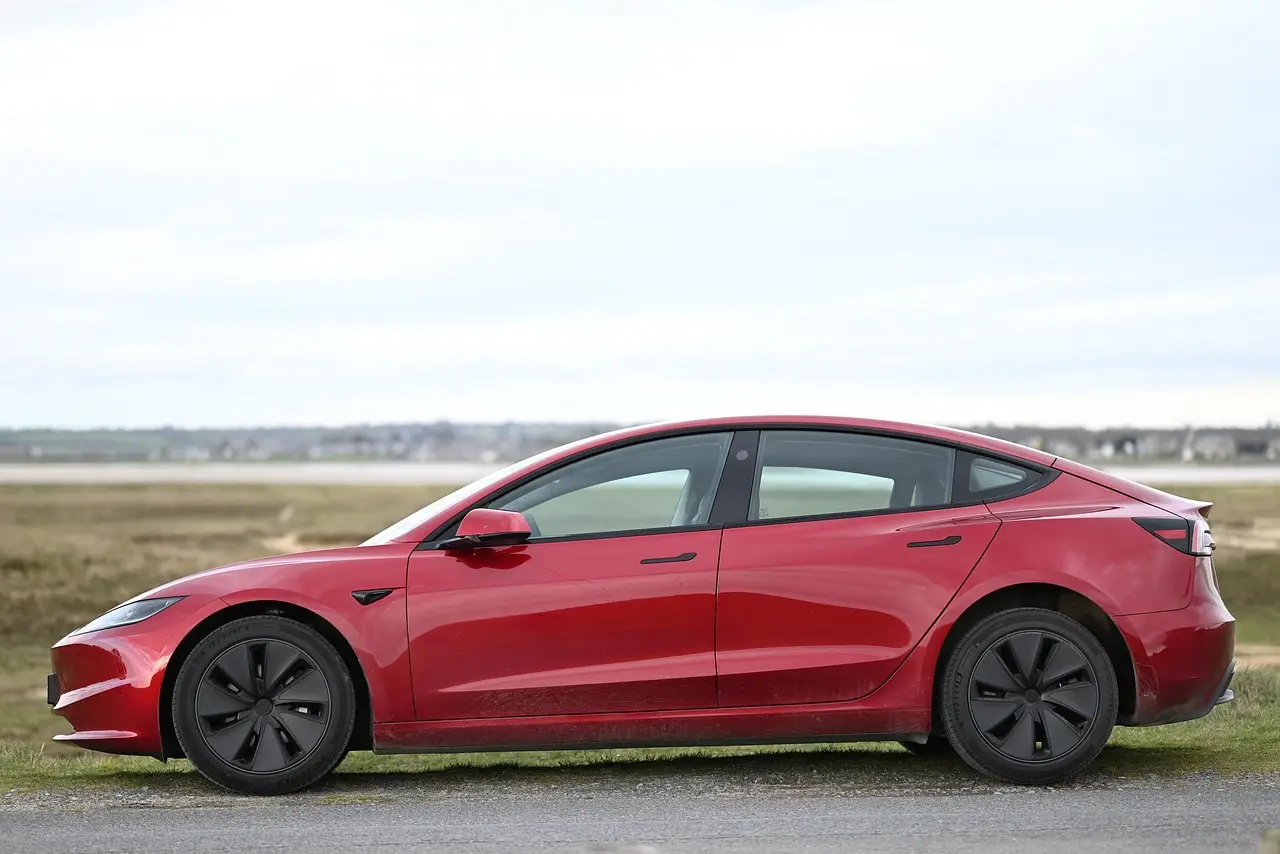
Xpeng posted third-quarter revenue of CN¥24.28bn (US$3.62bn), up 23% on the second quarter, and cut its net loss to CN¥0.87bn (US$0.13bn) from CN¥1.34bn (US$0.20bn) in Q2. A richer model mix did more of the work than volume. Deliveries reached 118,390, up 14.6% sequentially but just 2.1% year on year.
Vehicle sales revenue rose far faster than units: 19.8% year on year to CN¥21.63bn (US$3.23bn). That puts average revenue per vehicle at roughly CN¥183,000 (US$27,300), up from about CN¥156,000 a year earlier. The Guangzhou-based carmaker attributed the gain to higher deliveries and a higher average selling price.
What does the mix shift change for margins?
Vehicle margin climbed to 13.1% from 12.1% in Q2, matching year-ago levels. Overall gross margin still slipped to 18.9% from 20.7%, because the margin on services and other revenue fell to 67.1% from 75.1%. Xpeng blamed lower revenue from technical research and development services, following milestone catch-up payments that inflated the prior quarter. In other words, technology licensing income — including deals with partners such as Volkswagen — arrives in irregular lumps, not a steady cushion for thin vehicle margins.
The year-on-year loss picture is less flattering. Q3's net loss of CN¥0.87bn was more than double the CN¥0.38bn (US$0.06bn) recorded a year earlier. On a non-GAAP basis, which strips out share-based compensation and a CN¥0.16bn non-cash gain tied to the acquisition of DiDi's smart vehicle business, the loss stood at CN¥0.89bn (US$0.13bn).
Spending, cash and a big inventory build
R&D spending rose 17.5% year on year to CN¥2.85bn (US$0.43bn), driven by new vehicle models and AI technologies. Selling, general and administrative expenses climbed 11.4% to CN¥2.78bn (US$0.41bn), on higher marketing spend and larger commissions to franchised stores.
Xpeng ended September with CN¥45.41bn (US$6.77bn) in cash, up from CN¥40.48bn (US$6.04bn) at end-June. Two balance-sheet lines stand out. Inventory jumped to CN¥16.86bn (US$2.52bn) from CN¥10.38bn (US$1.55bn) at the end of 2025. Short-term borrowings rose to CN¥10.68bn (US$1.59bn) from CN¥4.28bn (US$0.64bn) over the same period.
Q4 guidance: up to 174,000 vehicles
Xpeng delivered 50,237 vehicles in October and guided for fourth-quarter deliveries of 169,000 to 174,000, with revenue of CN¥30.40bn to CN¥31.80bn (US$4.54bn to US$4.75bn). Hitting that range means averaging roughly 59,000 to 62,000 deliveries a month in November and December — about a fifth above October's level. The inventory build suggests production is already running for it.
"Our automotive business has entered a period of rapid growth, driven by multiple blockbuster models and global expansion. Over the coming quarters, we will continue to grow our scale, while technology-driven revenue growth and cost optimization will become increasingly evident," said He Xiaopeng, Chairman and CEO of XPeng. He added that Xpeng's next-generation humanoid robot is on course for mass production by year-end.
Beyond cars, Xpeng won approval in October to run L4 robotaxi (fully driverless) demonstration operations across Guangzhou. Its sales network reached 731 stores in 253 cities by end-September, and its self-operated charging network grew to 4,035 stations.
The strategic read: guiding Q4 deliveries up 45-50% while China's domestic NEV retail market contracts suggests volume is concentrating among automakers with fresh models and export reach. And with a 13.1% vehicle margin and continued operating losses, the robotaxi and humanoid ambitions still rest on a car business that hasn't yet delivered sustained profit.
What to watch next: whether November and December deliveries actually hit the ~60,000-a-month run rate, and whether the humanoid robot reaches mass production on schedule by year-end.
via Automotive World (Source)
More from Grace Kim
Show full bio
Staff writer covering people, launches and day-to-day practice in Automotive manufacturing and vehicle production at Autoplant Brief.
293 articles
Also circulated
- Rivian lifts 2026 delivery guidance to 67,000-70,000 after 38% revenue jump
- Mahindra Q2 profit rises 25% as vehicle volume reaches 330,896
- Chinese vehicle sales fell 8.4% to 2.956 million units in September
- BYD Ships 174,277 NEVs Abroad in September as Share Slips to 31.1%
- CATL Q3 net profit hits $3.16B as margins compress