ECO-1280 · REV O · effective November 16, 2026
Industry Analysis & MarketsAPPROVEDEngineering notice
Southeast Asia BEV sales jump 89% to 567,340 units
BEV sales in Indonesia, Malaysia, Thailand, Vietnam and the Philippines hit 567,340 units through September, up 89%, as Chinese brands and VinFast dominate and tax incentives drive demand.
Scope of change
- BEV sales in Southeast Asia's five main markets rose 89% to 567,340 units in January-September 2026.
- Vietnam led with 185,000 BEV sales, 96% of them from VinFast; Thailand followed at 161,500 units.
- Indonesia's BEV sales grew 112% to 117,500 units; the Philippines surged 254% to 21,800 units.
- Thailand reportedly plans to raise excise tax on imported BEVs to at least 30% from early 2027.
- Chinese brands dominate the regional BEV segment; Japanese automakers are virtually absent.
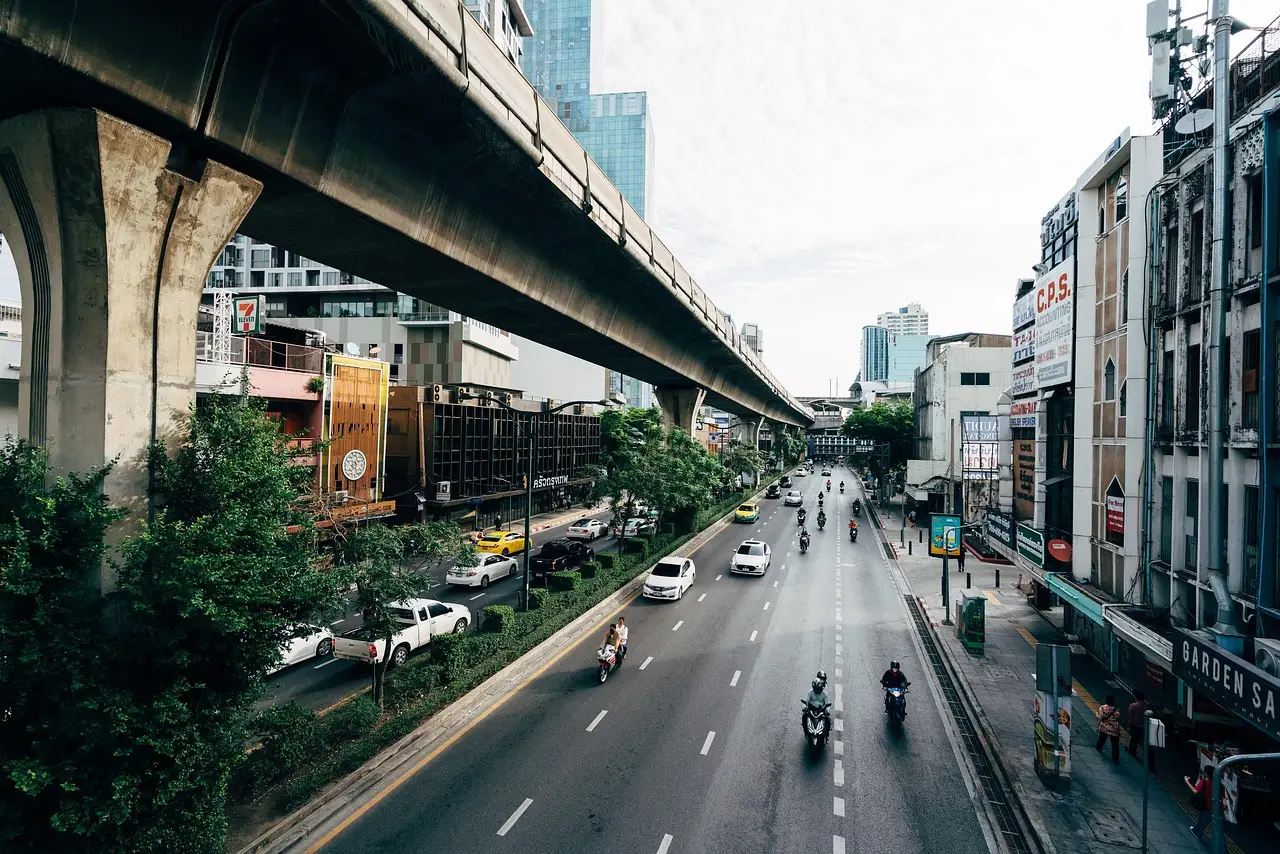
Battery electric vehicle sales across Southeast Asia's five main markets reached an estimated 567,340 units in the first nine months of 2026 — an 89% jump from just under 300,000 units a year earlier. Vietnam, Indonesia, Malaysia, Thailand and the Philippines all posted sharp gains, though from wildly different baselines.
The drivers are prosaic and policy-driven: preferential excise and sales tax rates, investment incentives, and a fuel price surge this year that pushed buyers toward electrified vehicles. Charging infrastructure has also improved significantly across the region in the past year, including fast-charging systems, while batteries now offer longer driving ranges.
Chinese brands dominate the region's BEV segment alongside Vietnam's VinFast. Europe's BMW and Mercedes-Benz hold a marginal presence. Japanese automakers are virtually non-existent.
Where are the units actually going?
Vietnam leads with an estimated 185,000 BEV sales in the first nine months, up 74% year-on-year and good for 37% of total vehicle sales in the country. VinFast took more than 96% of that volume — around 177,700 light passenger BEVs plus an estimated 600 battery-powered buses — having completed its switch away from internal combustion vehicles back in 2022. Local manufacturer Kim Long is expanding in battery-powered commercial vehicles, albeit from low levels, while BYD, Wuling SAIC-MG, Geely and Chery-Omoda increasingly target the market, so far mainly with imports. Hanoi has extended its registration tax exemption for BEVs to 2030, alongside consumption tax discounts. In short: Vietnam's BEV market is a near-monopoly with a subsidy tailwind.
Thailand was second, with sales almost doubling to 161,500 units — 31% of total vehicle sales. Chinese brands dominate, mixing local assembly with imports, backed by preferential taxes and incentives aimed at attracting inward investment. BYD and its Denza sub-brand lead with sales estimated above 28,000 units year-to-date, mainly the Dolphin, Atto and Sealion lines, followed by Chery with around 27,000 units including its Omoda and Jaecco brands, then SAIC-MG, Geely and GAC-Aion.
One cloud sits on the horizon. Reports suggest Bangkok plans to raise the excise tax on imported BEVs to at least 30% at the start of 2027, pushing manufacturers toward local assembly and supply chain development. That's expected to trigger a buyer rush in late 2026 — and likely depress sales next year.
How fast is Indonesia scaling?
Indonesia is the region's third-largest BEV market, with sales up 112% to 117,500 units — 17% of total vehicle sales, up from 10% last year and just 4% in 2024. The ramp reflects tax policy and a hard localization squeeze:
- At the start of 2026, Jakarta discontinued the automatic BEV import duty exemption, replacing it with a 1:1 local production quota through end-2027.
- The luxury tax exemption was discontinued, then retained under a revised scheme.
- The sales tax exemption for locally produced BEVs, tied to minimum local content requirements, still applies but is now handled at regional level.
BYD and Denza lead with a combined 41,000-plus sales year-to-date, followed by Chery, Omoda and Jaecco with over 30,000. The Jaecco J5 is Indonesia's best-selling BEV at almost 27,000 units. Wuling sold nearly 11,000; GAC Aion around 5,500.
Malaysia's BEV sales almost doubled to 53,540 units, or 9% of total vehicle sales. The government offers full import duty, excise and sales tax exemptions for locally assembled BEVs until end-2027, while restrictions on built-up imports have tightened. Proton leads with its e,MAS sub-brand — Geely-based models — at 24,860 units year-to-date, ahead of BYD-Denza at 8,500 and Chery at 3,900.
The Philippines is the smallest of the five, but the fastest-growing in percentage terms: sales surged 254% to an estimated 21,800 units, helped by an import duty exemption until 2028 and tax incentives for local production. BYD leads with almost 6,000 sales, followed by VinFast at 5,500 and Tesla at 3,500.
What to watch next
The region's growth is real, but it rests on tax regimes now in flux. Watch Thailand's reported excise hike decision ahead of January 2027, Indonesia's 1:1 import quota expiry at end-2027, and whether a post-subsidy Thailand dips as expected. Policy made this market; policy can unmake it.
via just-auto (Source)
More from Daniel Okafor
Show full bio
Senior reporter covering regulation, policy and their impact on Automotive manufacturing and vehicle production at Autoplant Brief.
353 articles
Also circulated
- Thailand to triple BEV import excise tax to 30% from January 2027
- Thailand electrified sales jump 47% to 206,000 units in H1 2026
- Japanese automakers call for Thailand EV policy reform
- China NEV sales hit 1.823 million in September as exports jump 160%
- China NEV exports jump 140 per cent to 606,000 units in October