ECO-8651 · REV J · effective September 27, 2026
Automation & RoboticsRELEASEDEngineering notice
Hyundai Aims at $20,000 Humanoid Robots, Recruits 200 Suppliers
Hyundai targets $20,000 per humanoid robot and is rebuilding its supply chain with roughly 200 partners, applying automotive sourcing discipline to robotics.
Scope of change
- Hyundai Motor has set a $20,000 target price per humanoid robot
- The automaker is reshaping its supply chain with roughly 200 partners for the robotics program
- Hyundai owns Boston Dynamics, acquired from SoftBank in 2021, providing the hardware base for the effort
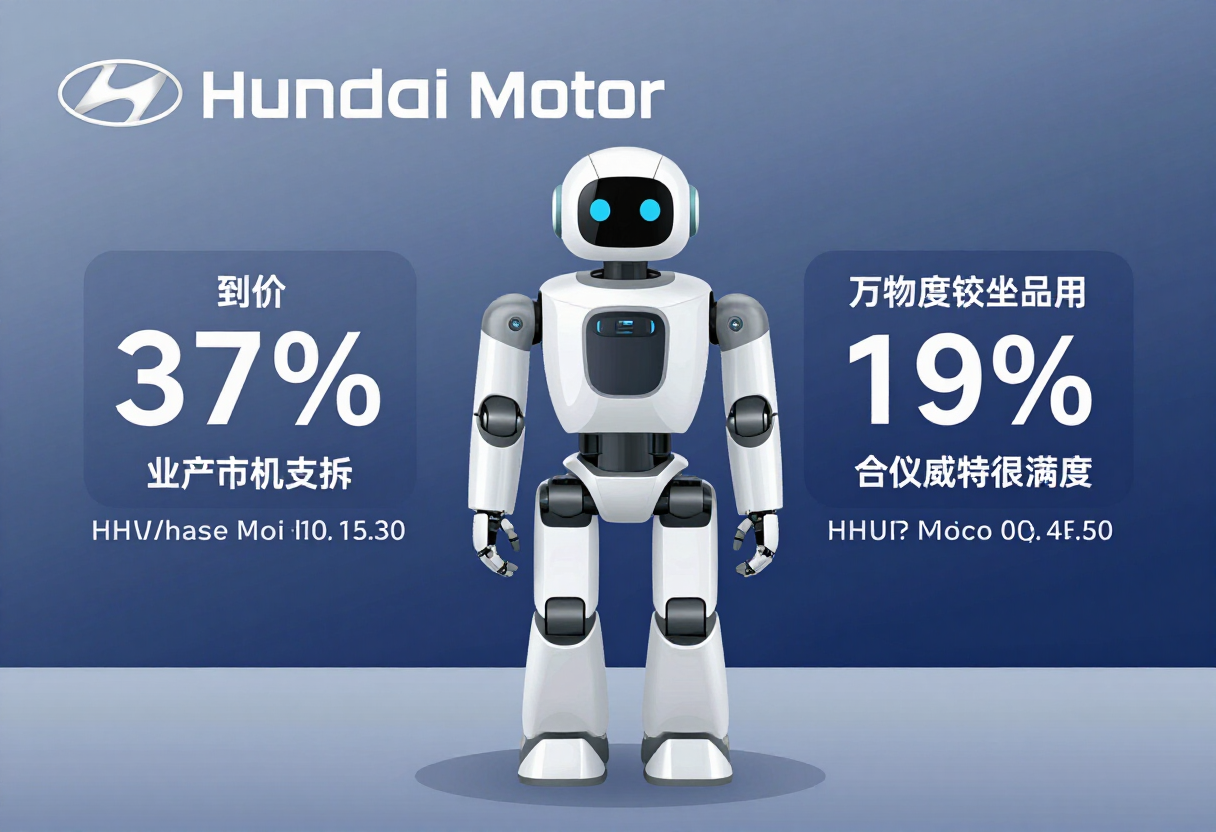
Hyundai Motor has set a target price of $20,000 per humanoid robot, according to a report by finance.biggo.com — a figure that, if achieved, would put general-purpose robots in the price range of a compact car rather than industrial automation equipment.
The Seoul-based automaker is simultaneously restructuring its supply chain around the program, working with roughly 200 partners to build out the component base for humanoid production.
What the numbers say
The $20,000 price point is the hardest figure in the announcement. Current humanoid platforms from developers such as Boston Dynamics — which Hyundai acquired a controlling stake in from SoftBank in 2021 for around $1.1 billion — have remained largely in the prototype and pilot-deployment phase, with unit costs estimated well above consumer price brackets.
The 200-partner figure signals the scale of the supply-chain effort. For comparison, a conventional vehicle program typically draws on a tiered supplier network of several hundred firms. Hyundai is effectively applying that automotive sourcing model to a robotics product line, pulling in component makers that have historically served automotive programs.
Why an automaker is building humanoids
Hyundai's move follows a broader pattern among vehicle manufacturers. Carmakers already control the capabilities that humanoid programs need most: high-volume precision manufacturing, electric actuator and motor supply chains, battery integration, and cost-down engineering discipline.
The company's ownership of Boston Dynamics — whose Atlas platform was re-introduced as an all-electric humanoid in 2024 — gives Hyundai a hardware and software base that most entrants in the field lack. Tesla has pursued its own Optimus program on similar logic: leverage the automotive bill of materials and factory footprint to drive robot costs toward mass-market levels.
The 200-partner network suggests Hyundai intends to localize and diversify sourcing for actuators, reducers, sensors and battery systems rather than rely on a narrow robotics vendor base. That approach mirrors how automakers de-risked EV battery supply chains over the past five years.
Target versus confirmed plan
Buyers and industry observers should treat the $20,000 figure as an announced target, not a confirmed production cost. The report does not specify a launch date, production volume, or which of the 200 partners have signed binding agreements versus letters of intent. As with supplier announcements across the EV and battery sectors, stated price targets in robotics have historically slipped as bill-of-materials realities — particularly actuators and dexterous hands — become clear.
Hyundai has not yet detailed whether the $20,000 target applies to a consumer-grade model, an industrial variant for its own Metaplant manufacturing operations in Georgia, or both. The company's U.S. Metaplant in Bryan County, Georgia — a $7.6 billion complex producing EVs including the Ioniq 5 and 9 — has been cited by Hyundai leadership as a natural first deployment site for factory robots.
What to watch
Three markers will show whether this is a real program or a cost aspiration. First, any timeline tied to the $20,000 target — a launch date or volume milestone would separate a production intent from an engineering goal. Second, named partners among the 200: if major tier-one actuator or reducer suppliers confirm contracts, the supply chain claim gains weight. Third, deployment inside Hyundai's own plants — the Georgia Metaplant is the obvious test bed — would provide production data to verify the economics.
Until then, the announcement establishes Hyundai's ambition level: bring humanoid robots down to compact-car pricing using an automotive-grade supplier network of 200 firms. The industry has heard similar promises from other entrants. The proof will arrive on a factory floor, at a per-unit cost the company is willing to disclose.
via Google News: Automotive suppliers and Tier-1s (Source)
More from Grace Kim
Show full bio
Staff writer covering industry trends and analytics at Autoplant Brief.
82 articles
Also circulated
- Mitsubishi to Build Humanoid Robots at Former Engine Plant
- Humanoid robots reach factory floors at BMW, Tesla and Mercedes
- Hyundai Targets 25,000 Atlas Humanoids as Boston Dynamics Opens Metaplant Center
- Deere and Mercedes-Benz Place Bets on Humanoid Robots
- Agility Humanoid Robots Enter Toyota's Production Operations