ECO-9398 · REV W · effective October 9, 2026
Auto Industry PolicyAPPROVEDEngineering notice
Fact-check finds Trump's US auto factory numbers 'off'
Mesabi Tribune's FACT FOCUS review reports that President Trump's claim that tariffs have brought more US auto factories does not match the data on plant counts and capacity.
Scope of change
- Mesabi Tribune published the review in its recurring FACT FOCUS series
- The review examined President Trump's claim that tariffs have brought more US auto factories
- The fact-check headline conclusion states: 'His numbers are off'
- The piece scrutinized the administration's count of new or reshored auto plants against documented industry activity
- Plant-announcement claims typically require a 12- to 24-month lag before showing up in confirmed capacity and production data
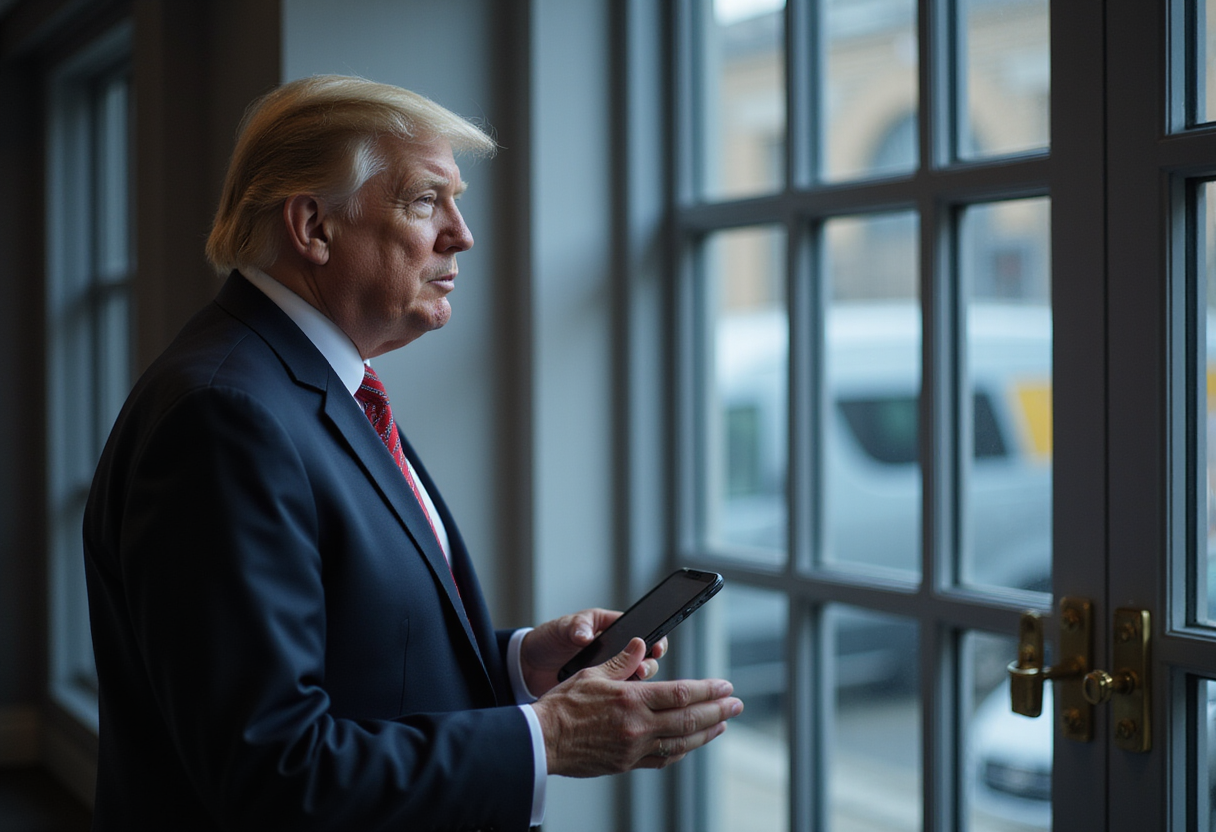
A Mesabi Tribune fact-check has concluded that President Trump's claim that tariffs have brought more U.S. auto factories does not hold up against the numbers.
The review, distributed through the Mesabi Tribune news network, examined statements Trump has made linking his tariff policy to new domestic auto manufacturing investment. The headline of the fact-check is direct: "His numbers are off."
What the review examined
The Tribune's fact-check ran in its recurring "FACT FOCUS" series, a format that compares political claims to documented evidence — in this case, plant announcements, capacity figures, and job commitments that have been publicly tied to tariff policy.
The piece specifically scrutinized the administration's count of new or reshored auto plants, comparing stated gains with documented industry activity. The headline alone indicates the review found a gap between the claimed factory count and what the data supports.
For manufacturing readers, the review touches a familiar fault line. Plant announcements routinely outpace confirmed capacity. Automakers and suppliers regularly announce investments tied to policy goals, then revise timelines, scale back commitments, or reclassify projects that were already in the pipeline. Trade-press convention treats every supplier and vendor announcement as a claim to verify against production data, and separates ribbon-cutting from steel-in-the-ground.
What a factory claim requires
The administration's framing links specific factory investments directly to tariff policy. That causal claim requires evidence beyond the announcement itself: a timeline showing the project depended on the tariff regime rather than on pre-existing product plans, dealer commitments, or EV credit rules.
Two of the most-cited metrics in U.S. auto manufacturing coverage are units produced and plant capacity, and both move slowly. A policy regime that "brings factories" should show up first in capacity announcements, then in hiring data, then in production volumes — typically across a 12- to 24-month lag that runs through several quarterly earnings cycles before a clear signal emerges in the BLS output series.
A claim that tariffs have already produced new factories therefore implies a measurable capacity gain attributable to the policy. If the underlying count includes projects announced before the tariffs took effect, or counts retooled lines as new plants, the number will not match what an OEM's own 10-K filings or state incentive disclosures show.
Why the distinction matters for plant tracking
A tariff-driven factory count has three components that must be checked independently: confirmed capacity (in units per year), committed capex (in dollars and timing), and jobs (headcount and location). The administration has, in past statements, cited all three. The Tribune's review implies at least one of those three does not reconcile with the underlying industry data.
For an Autoplant Brief audience, the practical question is which plants and which programs the review flagged — and whether OEM investors day presentations, supplier earnings calls, or state economic-development filings tell a different story than the federal count.
What to watch
- The full Mesabi Tribune fact-check for the specific plants, programs, and data points under review
- Any administration response or revised methodology for counting tariff-driven factories
- Q3 and Q4 OEM capacity disclosures and how they characterize tariff-linked investment
- State-level incentive filings that document committed capex and headcount
- Whether subsequent FACT FOCUS installments revisit the same plant count with updated figures
via Google News: Auto industry policy (Source)
More from Daniel Okafor
Show full bio
Senior reporter covering marketplaces and e-commerce at Autoplant Brief.
181 articles
Also circulated
- AP Fact-Check Finds Trump's Tariff Claims on US Auto Factories Overstate the Record
- Trump's Auto Plant Tariff Numbers Don't Add Up, AP Finds
- Have Trump's Tariffs 'Saved' the U.S. Auto Industry?
- Trump Claims Tariffs Saved US Auto Industry. The Production Data Will Judge
- Trump Claims Tariffs Saved U.S. Auto Industry. Data Disagrees