ECO-1761 · REV V · effective November 16, 2026
Auto Industry PolicyRELEASEDEngineering notice
Denmark earmarks DKK 450 million for social EV subsidies from 2028
Denmark's DKK 3.9 billion climate package includes DKK 150 million a year from 2028 to help low-income households swap combustion cars for EVs. Details pending until mid-2027.
Scope of change
- DKK 150 million (~€20 million) per year for EV incentives from 2028 to 2030, DKK 450 million total
- Part of a DKK 3.9 billion (~€521.7 million) climate package in the 2027 budget agreement dated 14 November 2026
- Vehicle taxation expert commission findings due by mid-2027 to shape eligibility criteria
- Financing may include EU Social Climate Fund money plus VAT changes on tourist refunds and short-term rentals
- DKK 90 million reallocated annually from an EU AI gigafactory project
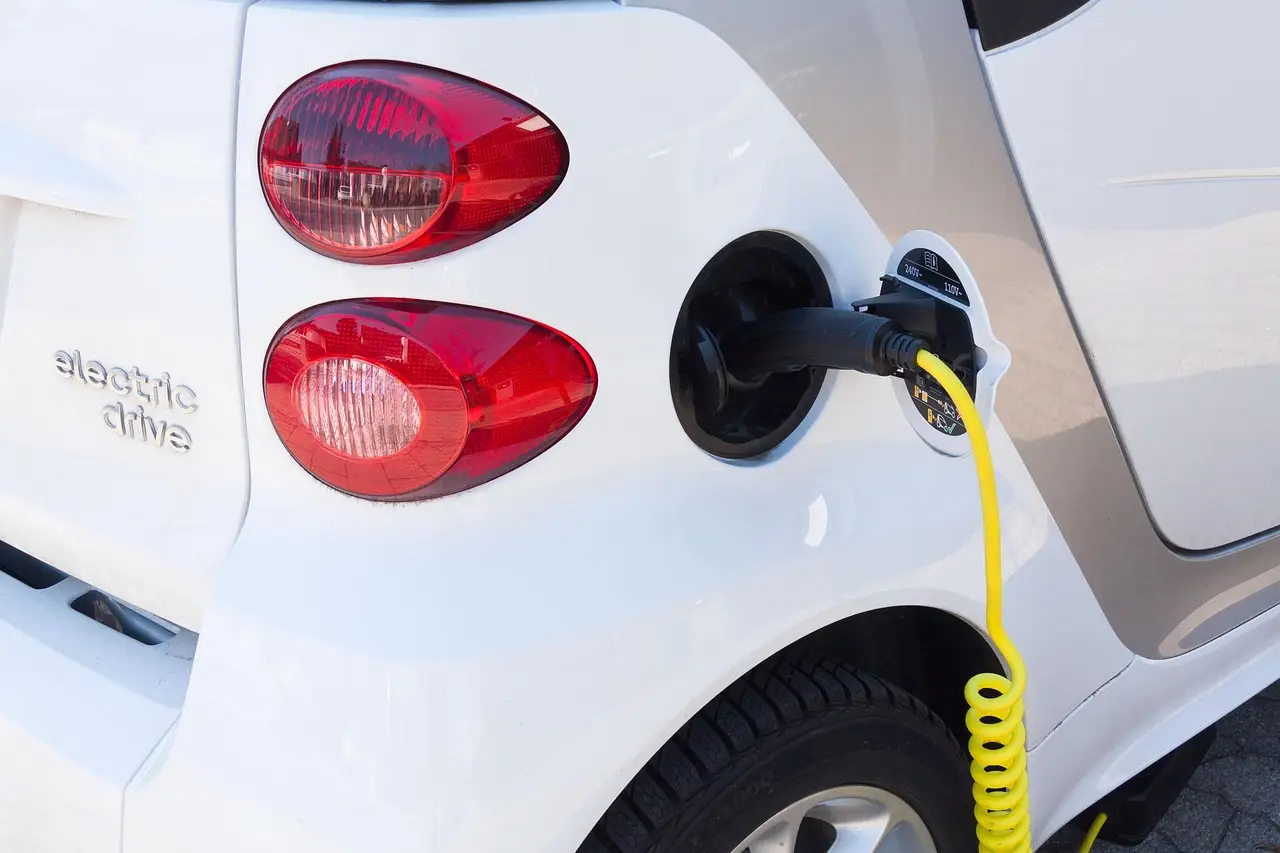
Denmark will spend DKK 150 million (about €20 million) a year from 2028 to help low-income households replace combustion-engine cars with battery-electric models. The three-year commitment, running through 2030, totals DKK 450 million (roughly €60.2 million) and sits inside a broader climate package worth around DKK 3.9 billion (€521.7 million) agreed between the government and opposition parties as part of the 2027 budget deal.
The agreement is dated 14 November 2026. It targets drivers who today can't afford the switch — especially in rural areas, where commuters depend on cars because public transport alternatives are thin.
Who said what
Franciska Rosenkilde, political leader of the Green party Alternativet, framed the scheme as a matter of equity: "The green transition should not be a privilege for those with the largest savings or the highest salary. Everyone should have the opportunity to participate."
Pelle Dragsted of the socialist party Enhedslisten cast the deal in broader terms: "So we are actually killing three birds with one stone: More money in the pockets of citizens, less dependence on oil and gas, and a new direction for the green transition that is more socially just."
What does this change for buyers?
Not much yet — and that's the point to watch. The exact details of the scheme remain undecided. The agreement says support for leasing electric cars is being considered alongside possible purchase subsidies. Funding levels and eligibility criteria, including income and location thresholds, will be developed with reference to experience in other countries such as Sweden and France. An expert commission reviewing Denmark's vehicle taxation system is due to present its findings to the parties involved by mid-2027, and its recommendations will feed into the final design.
So the DKK 150 million annual figure is a confirmed budget allocation. The subsidy mechanics are announced intentions, not a published scheme.
Where the money comes from
The package draws on general budget reserves and potentially the EU's Social Climate Fund (a mechanism compensating for carbon pricing's social impact). If EU money materialises, the EV incentive budget could grow. Additional revenue comes from raising the DKK 1,200 threshold for VAT refunds to tourists from outside the EU and imposing VAT on short-term rentals through platforms such as Airbnb. On the spending side, biogas funding will be cut, and DKK 90 million will be reallocated annually from an EU project for AI gigafactories.
Beyond cars
The agreement also covers heating. Existing funding programmes for climate-friendly heating systems will be extended, and a long-term green heating scheme for low-income homeowners is planned from 2028. The parties have also agreed to assess electric island ferries and to ban installations of new oil and gas heating systems.
What to watch next
Two dates matter. Mid-2027, when the vehicle-taxation commission reports, will shape eligibility rules. And 2028, when the first DKK 150 million tranche is due to flow, will show whether purchase subsidies, leasing support or both make the final cut — and whether the EU's Social Climate Fund tops up the pot.
via fm.dk (Original)
More from Grace Kim
Show full bio
Staff writer covering people, launches and day-to-day practice in Automotive manufacturing and vehicle production at Autoplant Brief.
293 articles
Also circulated
- Luxembourg extends €6,000 EV purchase grants through mid-2030
- Parliamentary compromise would make EU fleet EV quotas voluntary
- Switzerland relaxes van CO2 target to 108.7 g/km, tightens truck cuts to 45%
- EU Parliament Eyes Softer 2035 CO2 Rules in Auto Package Deal
- Paris and Berlin Align to Soften EU Tailpipe Emissions Rules