ECO-6211 · REV V · effective November 5, 2026
Auto Industry PolicyRELEASEDEngineering notice
Switzerland relaxes van CO2 target to 108.7 g/km, tightens truck cuts to 45%
Switzerland raises its 2030 van CO2 target to 108.7 g/km and tightens truck cuts to 45 per cent, in a consultation running to 18 February 2027.
Scope of change
- Swiss 2030 van CO2 target relaxed from 90.6 to 108.7 g/km in draft law
- Heavy truck emissions cut from 2030 raised from 30% to 45%
- Electric trucks held 26% of Swiss new registrations (over 16 t) in H1 2026, per ACEA
- Passenger car target from 2030 stays at 49.5 g/km; 34.9% of October car registrations were electric
- Consultation runs until 18 February 2027; rules from 2035 are excluded
- Truck charging infrastructure budget doubled in October from 20 to 40 million francs
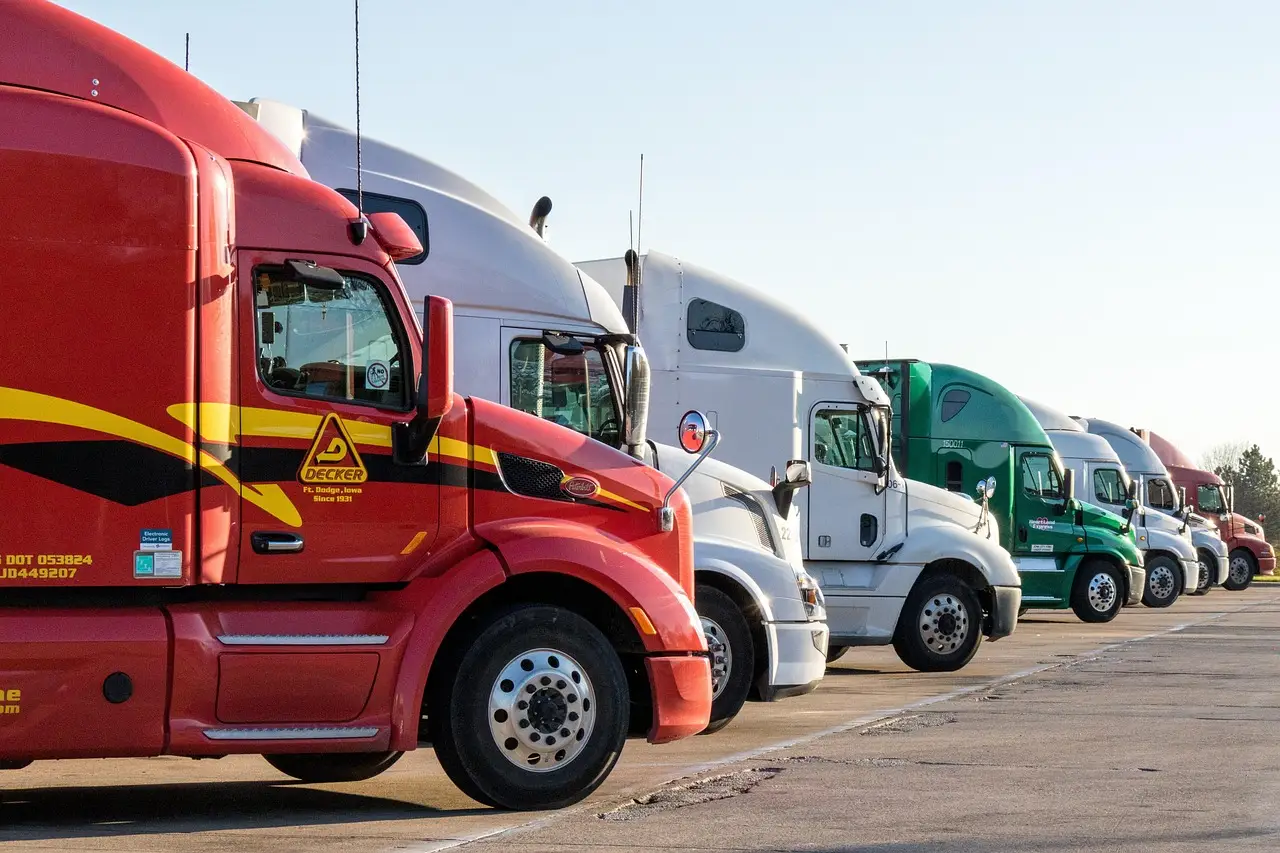
Switzerland's van CO2 target for 2030 will rise from 90.6 to 108.7 g/km under draft revisions the Swiss Federal Council has sent into consultation, while heavy trucks face a stricter 45 per cent emissions cut instead of the previously planned 30 per cent.
The draft amendments to the CO2 Act and the Energy Act, now in the official consultation procedure known as the Vernehmlassung, aim to align Swiss requirements for new vehicles from 2030 with the EU Commission's forthcoming Auto Package. The package deliberately stops there. Requirements from 2035 onwards are explicitly excluded, which keeps Switzerland out of the Brussels debate over a "phase-out of the phase-out of combustion engines." That omission is a decision, not an oversight, and it leaves the politically contested decade open.
What changes for commercial vehicles?
The proposal splits the commercial vehicle sector into winners and losers. Light commercial vehicles — vans and transporters — get relief. Their 2030 target value increases from the originally planned 90.6 g/km to 108.7 g/km, a loosening of roughly 20 per cent against prior Swiss decisions.
Heavy trucks move the other way. The required reduction from 2030 rises from 30 per cent to 45 per cent. Swiss transport operators already look positioned to absorb it. According to figures from the automotive association ACEA, electric trucks accounted for 26 per cent of new registrations in Switzerland in the first half of 2026, counting trucks over 16 tonnes gross vehicle weight. A charging-infrastructure funding programme launched in early 2026 proved so popular that the government doubled its budget in October, from 20 to 40 million francs.
The market data supports the tighter truck target. What the proposal does not say is how the charging build-out scales beyond the doubled 40-million-franc envelope.
Do passenger car targets move?
No. The legal CO2 fleet targets for passenger cars from 2030 stay unchanged, because Switzerland has already harmonised them with strict EU requirements. After the reduction to an average of 93.6 grams of CO2 per kilometre (WLTP) since 2025, the 2030 target remains 49.5 g/km.
Switzerland's fleet is tracking ahead of that curve. In October, 34.9 per cent of new passenger car registrations were electric, according to German-language reporting.
Importers do gain one concession. Compliance calculations for passenger cars and light commercial vehicles will become more flexible: target achievement will be measured over a three-year average spanning 2030 to 2032, rather than strictly annually. That averaging window gives importers room to balance a weak year against stronger ones.
Why is the vehicle label changing?
The current Swiss energy label will be replaced by the future uniform EU vehicle label. The classification logic differs in a way that matters for buyers. The EU standard assesses vehicles primarily on local CO2 emissions, so pure electric cars will consistently land in the best efficiency class, A. Under the existing Swiss system, which factored in the base electricity mix, many electric vehicles only reached category B.
Manufacturers also benefit on the logistics side. They will be able to supply the label ex-works, cutting import effort.
What happens next?
One caveat hangs over the whole exercise: the Auto Package in Brussels may still undergo revisions. The Federal Council is starting the legislative process anyway, to avoid missing implementation deadlines. The consultation period for submissions runs until 18 February 2027.
Watch three things. First, whether Brussels revises the Auto Package in ways that force Switzerland to readjust its draft. Second, whether the 26 per cent electric-truck registration share holds as the 45 per cent truck target approaches. Third, whether the 2035 exclusion holds once Switzerland must eventually confront the combustion-engine question it has deferred.
via acea.auto (Original)
More from Amara Osei
Show full bio
Market editor covering technology and product news in Automotive manufacturing and vehicle production at Autoplant Brief.
283 articles
Also circulated
- 48-vote backing advances EU’s looser 2035 car CO2 package
- EU Transport Committee Delays Vote on 2035 CO2 'Auto Package'
- Paris and Berlin to propose 90% CO2 cut for new cars by 2035
- France backs German push to soften EU 2035 combustion-engine ban
- Paris and Berlin Align to Soften EU Tailpipe Emissions Rules