ECO-1913 · REV T · effective November 13, 2026
Auto Industry PolicyRELEASEDEngineering notice
Luxembourg extends €6,000 EV purchase grants through mid-2030
Luxembourg extends Klimabonus EV grants of up to €6,000 to mid-2030, adds dealer pre-financing from 2027 and up to €40,000 for shared charging systems.
Scope of change
- New BEV grants of up to €6,000 extended to purchases and leases concluded 1 July 2026 – 30 June 2030
- From 1 January 2027, registered dealers can deduct the subsidy from the invoice and reclaim it from the state
- Charging station subsidies run to end-2030: €750 basic wallbox, €1,200 smart, €1,400 bidirectional caps
- Multi-family buildings can claim up to €40,000 for shared smart load management, capped at 50% of net costs
- Used EVs at least three years old continue to receive €1,500
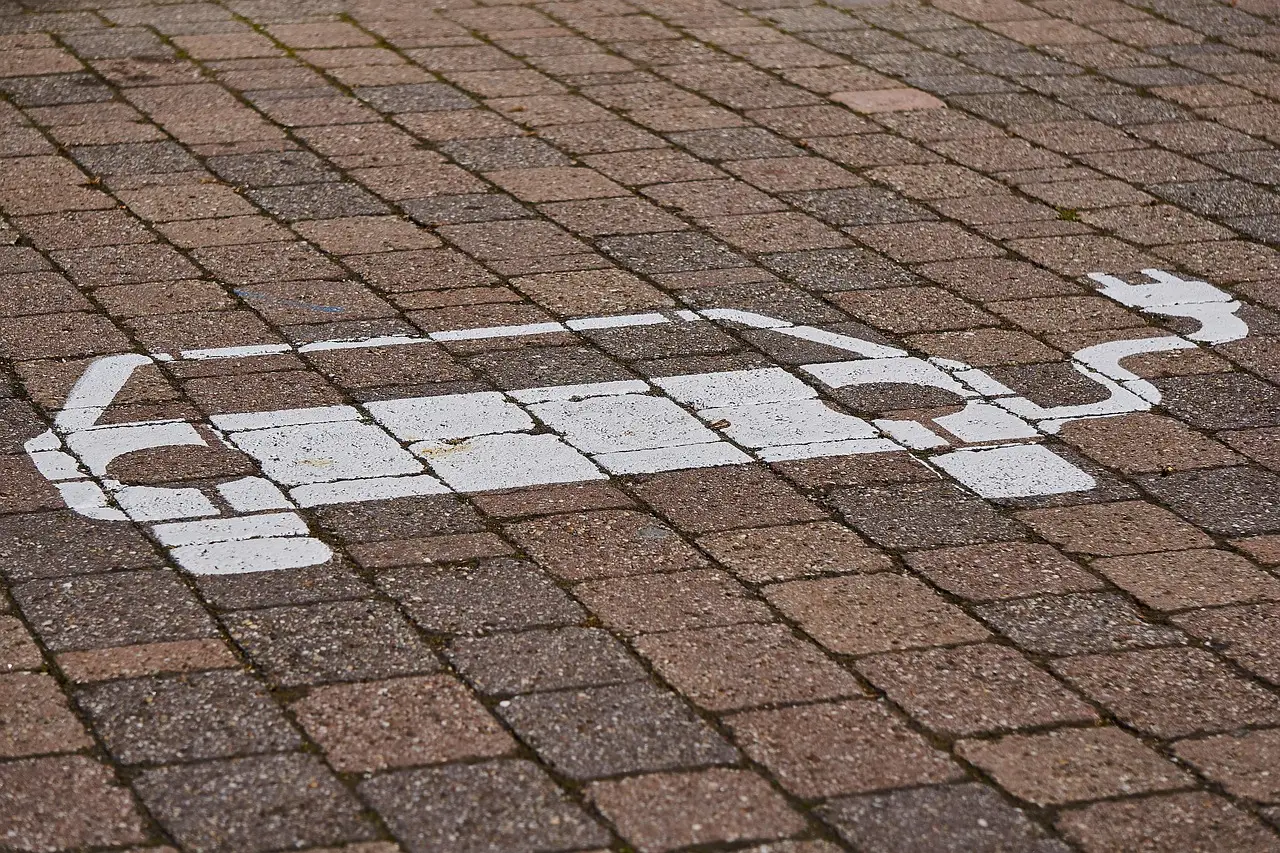
Luxembourg will keep paying up to €6,000 per new battery-electric car until 30 June 2030, after Parliament passed laws extending the Klimabonus Mobilitéit incentive scheme for zero-emission vehicles and private charging infrastructure. Minister for the Environment, Climate and Biodiversity Serge Wilmes presented the updated rules, which cover all purchase and leasing agreements concluded between 1 July 2026 and 30 June 2030.
The extension removes a cliff edge for the country's dealers and importers: the existing grant levels, in place since October 2024, would have expired at the end of June 2026 without new legislation. The stated aim is to keep e-mobility uptake on track toward Luxembourg's climate targets.
What do the grants pay, and to whom?
The headline amount of €6,000 for new battery-electric cars remains tied to energy efficiency, measured in watt-hours per kilometre (Wh/km) under the scheme. The structure is unchanged:
- €6,000 for cars consuming up to 160 Wh/km (16.0 kWh/100 km)
- The same €6,000 maximum applies to electric vans, hydrogen cars and EVs with at least seven seats, provided at least five people live in the household
- €3,000 for consumption between 161 and 180 Wh/km
- €3,000 for vehicles consuming up to 200 Wh/km, if drivetrain net power does not exceed 150 kW
Used electric cars at least three years old continue to qualify for €1,500. Electric motorcycles, mopeds, quadricycles and cargo bikes get 50 per cent of the net price, capped at €1,000. Standard e-bikes and bicycles are subsidised at half the cost excluding VAT, up to €600 — but only for households already receiving the cost-of-living allowance or energy premium.
What changes at the point of sale?
The genuinely new element is payment mechanics. From 1 January 2027, a pre-financing system lets registered dealerships deduct the subsidy directly from the invoice and reclaim the money from the state themselves. Buyers no longer have to finance the full purchase price and wait.
That reverses the previous arrangement, under which customers paid upfront and could only apply for reimbursement after a minimum holding period of seven months. Buyers who prefer the old route can still apply directly — the bonus amount stays identical either way.
For dealers, pre-financing turns the grant into a discount they administer rather than a rebate the customer chases. For OEM sales teams in Luxembourg, it removes a cash-flow objection at the point of sale roughly two years before the scheme's 2030 horizon.
How far does the charging support go?
Subsidies for private charging stations also run to the end of 2030 and apply to all invoices dated from 1 January 2026. The state covers half the net costs, capped at:
- €750 for basic wallboxes
- €1,200 for smart models
- €1,400 for bidirectional charging stations, with the 50 per cent net-cost limit applying initially until 1 January 2027
The scheme also reaches multi-family buildings. Owners and homeowners' associations can now claim up to €40,000 for shared smart load management systems, including the necessary renovation work, again capped at 50 per cent of net costs.
What to watch next
Three dates matter for anyone planning deliveries or infrastructure in Luxembourg: 1 January 2026, when charging-station invoices start qualifying; 1 January 2027, when dealer pre-financing begins; and 30 June 2030, when the purchase and leasing window closes. Watch also whether the bidirectional charging cap's 50 per cent limit, set to be reviewed after 1 January 2027, survives unchanged.
via electrive.net (Original)
More from Marcus Bennett
Show full bio
News editor covering regulation, policy and their impact on Automotive manufacturing and vehicle production at Autoplant Brief.
293 articles
Also circulated
- Germany clears 100,000 EV subsidy applications worth €430 million
- Croatia to launch €20 million EV incentive programme in October 2026
- EU and UK Move Toward Second Delay of EV Rules of Origin
- Portugal Weighs 80% EV Subsidies for Low-Income Buyers
- EU to steer CEF and AFIF funds toward truck and bus charging