ECO-1221 · REV X · effective October 30, 2026
Auto Industry PolicyRELEASEDEngineering notice
Portugal Weighs 80% EV Subsidies for Low-Income Buyers
Portugal's draft 2027 budget includes EV subsidies of up to 80 per cent for low-income households, capped at €15,000 per car and covering around 20,000 vehicles. Final vote: 24 November.
Scope of change
- Portugal plans subsidies of up to 80% of vehicle value for around 20,000 EVs for low-income households
- Eligible purchase price capped at €15,000 excluding VAT, or €16,000 with scrappage of a combustion vehicle
- Around €50 million will be available in 2027 for the general EV subsidy programme
- Parliament approved the 2027 budget draft in first reading on 28 October; final vote set for 24 November
- Up to 9,000 electric vehicles for micro-enterprises will also be supported
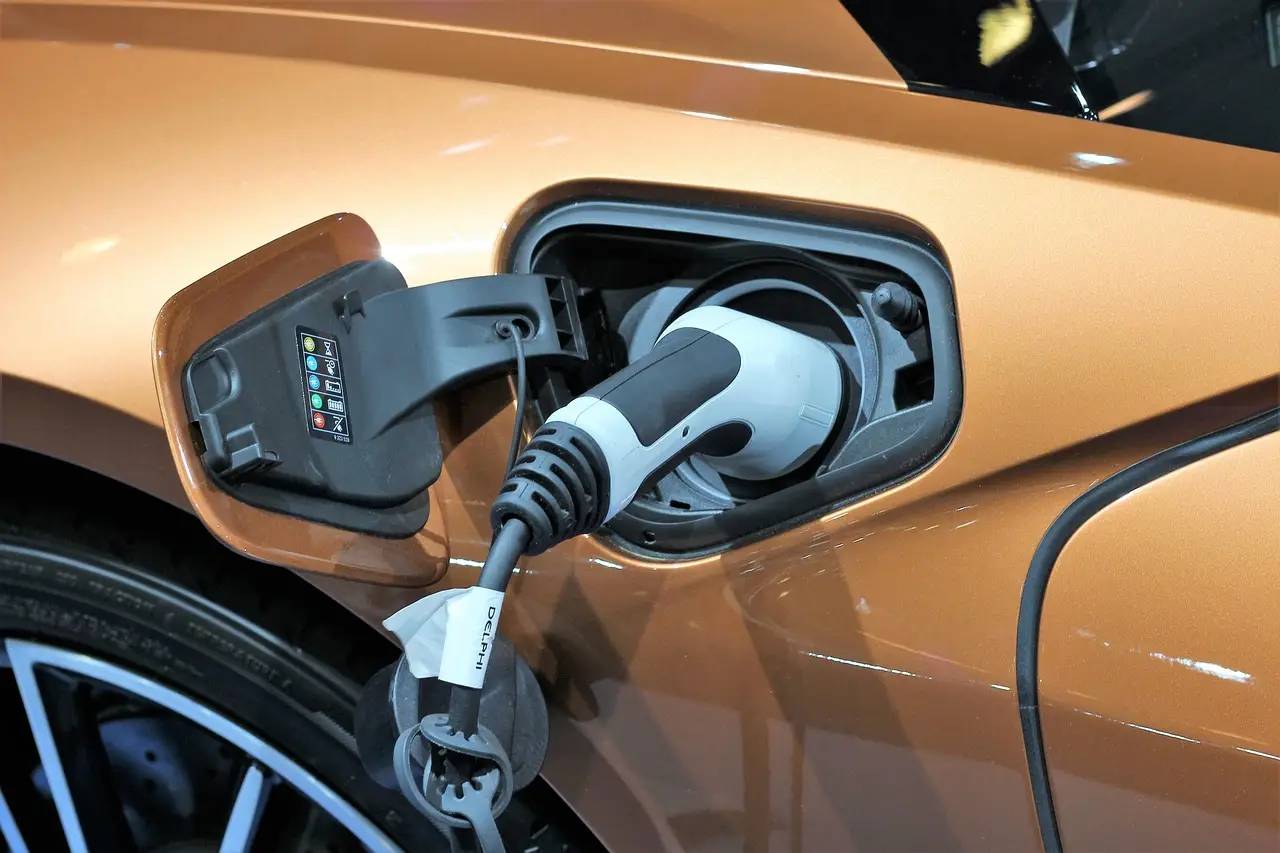
Portugal is considering subsidies covering up to 80 per cent of an electric vehicle's purchase price for roughly 20,000 cars. Environment and Energy Minister Maria da Graça Carvalho announced the plan during parliamentary debates on the 2027 state budget. It would be the country's first dedicated programme for low-income households.
The headline rate needs context. It applies only within strict price limits.
What are the conditions?
According to the Portuguese Ministry of the Environment, the eligible purchase price is capped at €15,000 excluding VAT. Scrapping a combustion-engine vehicle at the same time raises that ceiling by €1,000 to €16,000. Buyers can receive up to €1,000 more for installing a charging point.
The 80 per cent rate therefore does not apply indefinitely to arbitrarily expensive electric cars. It operates inside these limits. Two things remain unsaid: the income thresholds for participation and the official launch date of the programme.
What happens to regular subsidies?
Portugal intends to continue its existing subsidy for the general population. Around €50 million will be available for this in 2027. Carvalho said the conditions will essentially follow those of previous programmes.
The country has form here. At the beginning of 2026, the government launched a €17.6 million programme covering electric cars, electric two-wheelers and charging infrastructure. Private individuals could receive up to €4,000 for an electric car. One requirement was scrapping a combustion-engine vehicle at least ten years old. The eligible purchase price was capped at €38,500, or €55,000 for vehicles with more than five seats.
In June, the Portuguese Environmental Fund opened another funding round worth €10 million. Eligible vehicles included those acquired since the beginning of 2025, provided applicants had not already been considered in a previous round.
Why the percentage model is new
The low-income programme would break with Portugal's fixed-amount approach. For the first time, a percentage of the vehicle price would be covered rather than a set sum. That shift has a consequence the minister did not address: the actual subsidy per household will depend on the purchase price and on access criteria that have yet to be defined.
The budget debate also outlined wider electrification measures:
- Up to 9,000 electric vehicles supported for micro-enterprises
- Subsidies planned for lower-emission heavy-duty commercial vehicles and their charging infrastructure
- Co-financing for electric bus procurement in sparsely populated regions
No funding volumes were given for these measures.
Is any of this final?
No. The 2027 state budget is not yet law. Parliament approved the draft in its first reading on 28 October. The final vote is scheduled for 24 November. The specific funding guidelines for the new programme are also still pending.
Until both steps land, the 80 per cent figure is an intention, not a commitment. Watch the 24 November vote, the publication of income thresholds, and the funding guidelines that will determine whether 20,000 cars actually reach low-income driveways.
via electrive (Source)
More from Amara Osei
Show full bio
Market editor covering technology and product news in Automotive manufacturing and vehicle production at Autoplant Brief.
286 articles
Also circulated
- Croatia to launch €20 million EV incentive programme in October 2026
- Japan Slashes EV Subsidies by Up to 40% From January 2027
- Germany clears 100,000 EV subsidy applications worth €430 million
- Thailand Slaps 35% Excise Tax on Imported EVs from 2027
- Thailand Ditches EV Subsidies for Local-Content Tax Tiers