ECO-5551 · REV N · effective November 16, 2026
Auto Industry PolicyRELEASEDEngineering notice
Egypt and India target $12bn trade, with auto manufacturing on the list
Egypt and India agreed to study a preferential trade agreement and chase a $12bn trade target, up from $6.6bn in 2025, with automotive manufacturing named a priority sector.
Scope of change
- Bilateral trade stood at about $6.6bn in 2025; both governments target $12bn
- Indian investment in Egypt totals about $4.5bn, concentrated in chemicals and petrochemicals
- The two sides agreed to study a preferential trade agreement's feasibility
- Automotive manufacturing is on both countries' priority-sector lists
- An Indian industrial zone has been proposed inside the Suez Canal Economic Zone
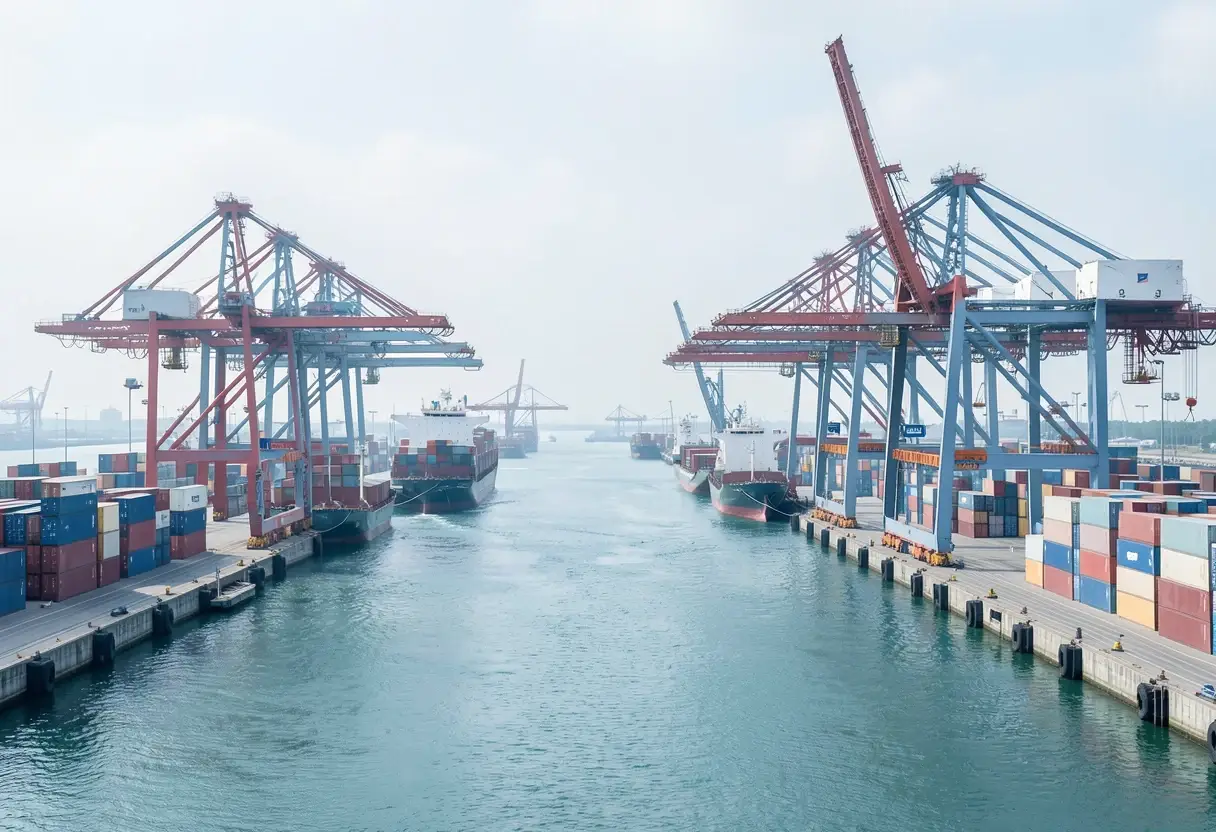
Egypt and India want to nearly double bilateral trade to $12bn, and automotive manufacturing sits squarely on the list of sectors both governments have agreed to prioritise. Egyptian Prime Minister Mostafa Madbouly and India's Commerce and Industry Minister Piyush Goyal sealed the intent at the cabinet's headquarters in Egypt's New Administrative Capital, on the margins of the seventh session of the Egypt-India Joint Trade Committee.
The baseline is $6.6bn. That was the bilateral trade figure for 2025, cited by Madbouly's cabinet, and the $12bn goal is what both sides now say they're working toward. Goyal called the target a first step, not an end point.
What was actually agreed?
Two concrete moves came out of the room. The two sides agreed to study the feasibility of a preferential trade agreement (a trade deal that cuts tariffs on selected goods between the partners, short of a full free trade agreement). And they committed to preparing what the cabinet described as a more ambitious framework for economic relations.
Everything else — working groups, sector-specific trade missions, land allocations — is process, not yet policy. That distinction matters for anyone planning around it.
Who was in the room?
The meeting drew a full ministerial and diplomatic lineup:
- Mostafa Madbouly, Egypt's prime minister
- Piyush Goyal, India's minister of commerce and industry
- Mohamed Farid, Egypt's minister of investment and foreign trade
- Suresh K. Reddy, India's ambassador to Egypt
- Petal Dhillon, from the Indian commerce minister's office
Goyal is in Cairo this week for the seventh session of the Joint Trade Committee and the Egypt-India Business Forum, both hosted by Egypt.
Where does the industrial footprint stand today?
Indian investment in Egypt already totals about $4.5bn, according to the Egyptian cabinet, concentrated in chemicals and petrochemicals. Named companies include TCI Sanmar, Aditya Birla and Uflex. None of these are automotive players — which means the vehicle-manufacturing ambitions, if they materialise, would sit on top of a chemicals-heavy investment base, not replace it.
Madbouly has proposed an Indian industrial zone inside the Suez Canal Economic Zone, the industrial and logistics cluster built around the canal. He also floated cooperation between Egypt's sovereign wealth fund and India's National Investment and Infrastructure Fund, a state-backed vehicle for infrastructure capital.
His named priority sectors: food security, information and communications technology, pharmaceuticals, renewable energy, textiles, automotive manufacturing and chemicals.
What does this change for automotive manufacturing?
Not much yet — and that's the honest read. Automotive manufacturing appears on both leaders' priority lists. Goyal separately named ports along the Suez Canal, shipbuilding, railways, green hydrogen, automotive manufacturing, tourism, museums and business mobility as areas for cooperation. But there's no plant, no investment figure and no OEM program attached to the word. What exists is a bilateral channel that could, in time, carry one.
For Indian suppliers and OEMs, the draw is location. SCZone gives access to European, African and Middle Eastern markets through Suez, and an allocated Indian investment zone would lower the entry cost. For Egypt, Indian auto investment would feed its own push to expand local vehicle and component output.
The sequencing Goyal laid out
The Indian minister was specific about the order of operations. The two sides will first set priority sectors and form working groups in the coming months. Sector-specific trade missions follow.
Farid added that the working groups will be backed by land already allocated for an Egyptian-Indian investment zone, with specific plots to be presented during the Joint Trade Committee's ministerial meetings. He also flagged tourism and real estate as openings, though neither carries the industrial weight of the SCZone proposal.
Context: the 2023 upgrade
Madbouly tied the current momentum to the two countries' upgrade of ties to a strategic partnership in 2023. Since then, ministerial contact has thickened, and this week's Joint Trade Committee session is the seventh — a cadence that suggests institutional staying power rather than a one-off diplomatic gesture.
What to watch next
Three markers will tell you whether the $12bn target is real. First, the feasibility study on the preferential trade agreement — whether it concludes and what tariff lines it covers. Second, the working groups Goyal promised for the coming months, and whether automotive manufacturing survives the prioritisation cut. Third, the specific plots Farid said would be presented for the Indian investment zone inside SCZone, which would be the first physical, on-the-ground commitment in the entire package.
via dailynewsegypt.com (Source)
More from Grace Kim
Show full bio
Staff writer covering people, launches and day-to-day practice in Automotive manufacturing and vehicle production at Autoplant Brief.
293 articles
Also circulated
- Egypt and India Target Automotive and EV Investment Push
- SCZONE Courts Changsha Zone for EV and Battery Localisation Push
- Egypt Courts $10bn Chinese Investor Base With Battery and Auto Pitch
- Tata Considers Morocco Armored-Vehicle Line; No Numbers Given
- Tata Projects wins assembly, press and weld shop build for unnamed OEM plant