ECO-6963 · REV B · effective November 16, 2026
EV Manufacturing TransitionRELEASEDEngineering notice
Dangote’s $2.2bn Nigeria road plan meets electric truck expansion
Aliko Dangote’s $2.2 billion Nigerian road pledge rests on a 14,000-truck fleet, while his first locally assembled electric truck and $70 billion African plan await output data.
Scope of change
- $2.2 billion Nigerian road commitment links to a 14,000-truck operating fleet
- World Bank says 80% of Nigeria’s road network is in poor condition
- Sinotruk partnership introduces the first locally assembled electric truck; capacity and launch date are undisclosed
- Vision 2030 African investment commitment rises by $20 billion to approximately $70 billion
- Ghana cocoa-processing proposal targets 500,000 tonnes of local output
By Amara Osei
Africa’s richest man and Dangote Industries founder Aliko Dangote has committed $2.2 billion to upgrade Nigeria’s road network, a plan intended to move goods more reliably from factories nationwide. About 80% of Nigeria’s roads are in poor condition, according to the World Bank.
Why does the road condition matter?
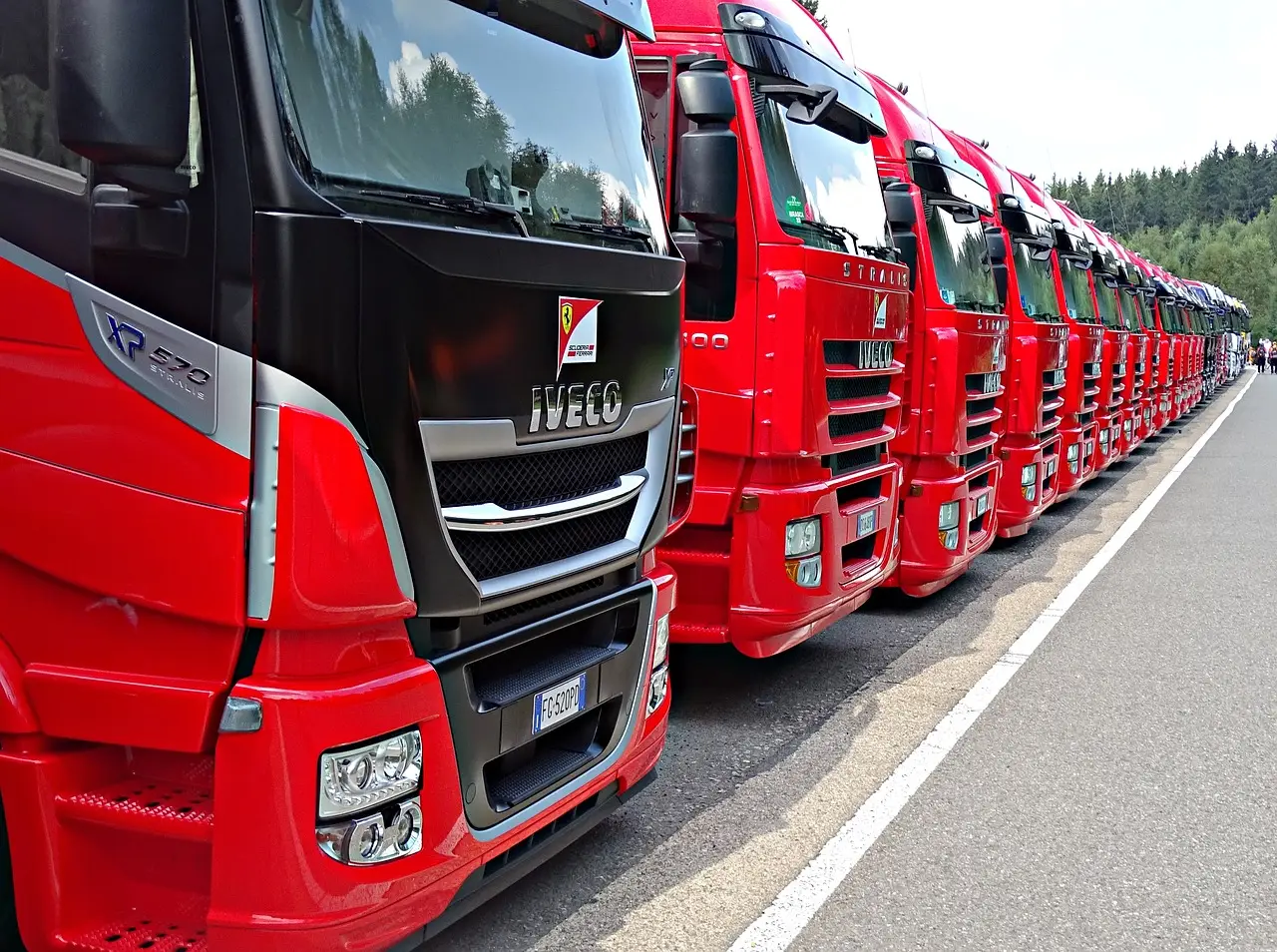
Dangote said in Accra, Ghana, while attending a summit with President John Mahama, that his companies operate 14,000 trucks in Nigeria. That operating scale gives him a direct reason to improve logistics. The announcement does not identify the roads, contractors, financing mix, construction schedule or government counterpart.
More than 90% of Nigeria’s passenger and freight movements rely on roads, the World Bank said. Dangote’s businesses move millions of tonnes of cement, fertiliser, sugar and refined petroleum products. Poor roads therefore affect distribution costs, delivery times and profitability.
The road program could reduce logistical bottlenecks and improve links among factories, ports and consumers. Those remain expected benefits. The announcement provides no corridor-level cost, traffic-volume or completion data against which to test them.
What changes in the truck business?
Dangote is moving from importing thousands of compressed natural gas-powered trucks toward electric vehicles. He introduced the first locally assembled electric truck through a partnership with Chinese automotive group Sinotruk. The announcement gives no truck model, assembly-site location, launch date, annual capacity or local-content share.
Strategically, the truck and road programs reinforce each other: electric vehicles need dependable freight links, while better roads can lower logistics costs. Neither claim establishes operating savings. Without assembly volumes, fleet-conversion figures and production data, the shift remains an announced intention.
Nothing disclosed shows what share of the 14,000-truck fleet will run on electricity.
How large is the wider capital plan?
The $2.2 billion road commitment sits inside a broader African expansion across energy, agriculture and manufacturing, Bloomberg reported. Dangote Industries’ Vision 2030 strategy raises projected African investment by $20 billion, from $50 billion to approximately $70 billion. Its portfolio includes Africa’s largest refinery, a sugar facility and cement works.
In Namibia, the group recently launched a $2.5 billion fuel-storage and pipeline project. It features a 600-million-litre terminal. The source describes connections to four neighboring countries as potential, rather than completed links.
The group also recently completed the initial public offering of its refinery. The offering attracted ₦6.4 trillion ($4.78 billion) in subscriptions, nearly three times the ₦2.15 trillion target. Marketed as the “People’s IPO,” it drew strong interest from Nigerian retail and institutional investors.
Subscriptions do not show how much cash the IPO deployed or how much new refining capacity it will add.
What could come from Ghana?
Dangote said he is exploring cocoa and rice investments in Ghana, the world’s second-largest cocoa producer after Ivory Coast. He has separately approached Ghana’s government with a proposal to process 500,000 tonnes of cocoa locally. The proposal could extend his industrial operations into one of West Africa’s most valuable agricultural commodities.
No investment amount, production schedule or processing agreement was disclosed. The 500,000-tonne figure is a proposed throughput, not a reported operating milestone.
Dangote also argued for deeper regional production and trade cooperation to advance a common currency among members of the Economic Community of West African States. “Nigeria, Ghana and Ivory Coast should lead the push,” he said. The source provides no timetable for currency discussions or a decision on the cocoa proposal.
What should be watched next?
Watch three milestones. First, the launch date and initial assembly volume for the locally assembled electric truck. Second, the first road-corridor completion target and funding release under the $2.2 billion program. Third, Ghana’s policy decision on local cocoa processing, alongside movement on regional currency cooperation.
Until production data, road milestones and policy decisions appear, the $2.2 billion roads pledge, approximately $70 billion African commitment and 500,000-tonne cocoa proposal remain announced commitments, not demonstrated output or completed infrastructure.
via africa.businessinsider.com (Source)
More from Amara Osei
Show full bio
Market editor covering technology and product news in Automotive manufacturing and vehicle production at Autoplant Brief.
326 articles
Also circulated
- Nigeria Sets 70% Local Vehicle Production Target, Up From Under 8%
- Nigerian Senate Committee Backs Dangote Mass Vehicle Production
- Dangote and Sinotruk assemble Africa's first electric truck in Lagos
- Nigeria Targets 70% Local Vehicle Production, Up From 8%
- NADDC says Nigeria can expand local vehicle production