ECO-6131 · REV J · effective November 16, 2026
EV Manufacturing TransitionRELEASEDEngineering notice
CATL targets 6,000 battery swap stations by 2027
CATL plans 6,000 passenger car battery swap stations in 297 cities by 2027, a pace that CN EV Post analysts say could push it past Nio's network as early as that year.
Scope of change
- CATL targets 6,000 passenger car swap stations by 2027: 5,000 urban, 1,000 motorway, across 297 cities
- Nio currently operates 4,254 passenger car swap stations, 1,081 of them on motorways
- CATL reached 2,520 Choco stations by September 29 and expects 3,000 by year-end
- BAIC's Arcfox unveiled the Beta T1 electric model with swappable CATL batteries
- CATL and Octopus Energy formed the Swaptopus joint venture this summer for European truck swapping
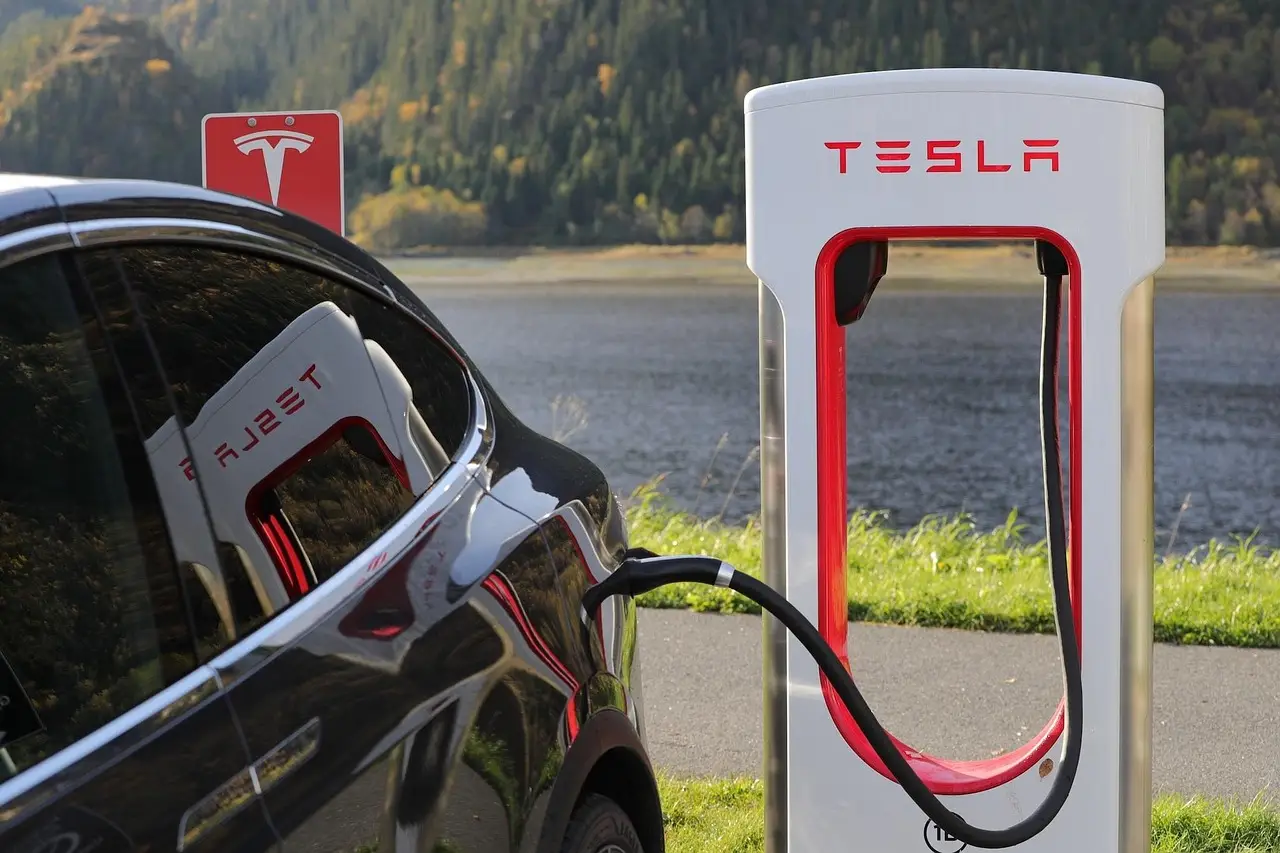
CATL plans to operate 6,000 battery swapping stations for passenger cars by 2027 — 5,000 in cities and 1,000 along motorways — spread across 297 Chinese cities. The company set out the expansion in a recent announcement, as reported by CN EV Post. If the schedule holds, the world's largest battery maker would displace Nio as the operator of China's biggest passenger car swap network.
The comparison with Nio is direct. Nio currently runs 4,254 passenger car swapping stations, including 1,081 along motorways, and has added roughly 1,000 stations per year in recent years. "If CATL meets its 6,000-station target and Nio maintains its goal of adding about 1,000 stations annually, as it has in recent years, CATL's passenger car battery swap station count could surpass Nio's in 2027," the CN EV Post authors analyse.
What is the Choco network?
CATL applies swapping to passenger cars, vans and trucks through standardised swappable battery blocks it calls Choco-SEB. SEB stands for 'Swapping Electric Blocks', and 'Choco' refers to the blocks' resemblance to the segments of a chocolate bar. The current expansion plan covers only passenger car-compatible stations and the matching battery blocks.
The build-out pace is already accelerating sharply. CATL had built 1,020 Choco stations by the end of 2025, reached 2,000 in July this year and stood at 2,520 by September 29, according to CN EV Post. The company expects to pass 3,000 stations by the end of the year.
How will the motorway network look?
The motorway stations are set to cover eleven north-south and nine east-west routes. The urban network, according to CATL, will reach all prefecture-level cities and all directly administered municipalities in China, with the sole exception of Sansha.
That geographic claim is an announced intention rather than a confirmed build. The 2,520 stations operating today cover only a fraction of the 297-city target, so the 2027 plan assumes CATL sustains roughly doubling-scale growth for two more years.
Who will use the stations?
A swapping network is only viable if enough vehicle models accept the standardised blocks, and CATL is working on that side of the equation too. A few weeks ago it signed an agreement with BAIC Group under which BAIC intends to develop more compatible passenger car models and advance station construction through its dealer network.
The first visible product has followed. Last week BAIC's Arcfox brand unveiled the Beta T1, a new electric model fitted with swappable CATL batteries.
What about trucks and Europe?
Passenger cars are only part of CATL's swapping ambition. Akin Li, a top manager at the company, recently described in an interview that CATL has major plans for the truck battery swapping market, where it is already the largest player in China.
Europe is also in scope. This summer CATL established a joint venture with British energy provider Octopus Energy, named Swaptopus, to develop a Europe-wide network of battery swapping stations for electric trucks. No station count or timeline for that network has been disclosed.
The passenger car plan is the harder test. Nio spent years building its 4,254-station network around a proprietary vehicle platform, while CATL must persuade multiple carmakers to adopt its Choco-SEB standard. The BAIC agreement is a first step; broader adoption would determine whether the 6,000-station target is reachable.
What to watch next: whether CATL passes its stated 3,000-station milestone by year-end, how quickly additional OEMs sign compatibility agreements, and the first Swaptopus announcements on European truck swap locations.
via electrive (Source)
More from Sophie Lindqvist
Show full bio
Correspondent covering money, funding and market shifts around Automotive manufacturing and vehicle production at Autoplant Brief.
319 articles
Also circulated
- CATL Targets 6,000 China Battery Swap Stations for 2027
- BAIC, CATL widen China battery-swap push without timetable
- CATL Links 3,000-Station Swap Network to Sodium-Ion Push
- Huawei's Yinwang Joins CATL's Choco Swap Network at 2,520 Stations
- CATL Targets 2,000 Truck Swap Stations by 2027, Unveils Dual-Battery System