ECO-6564 · REV W · effective November 16, 2026
EV Manufacturing TransitionAPPROVEDEngineering notice
Maryland team links fast-charge slowdown to electrode drying
University of Maryland researchers tied fast-charge slowdown to electrode drying via electro-osmotic drag. A fluorinated electrolyte charged a 4 Ah pouch cell to 80% in 12.8 minutes.
Scope of change
- A 4 Ah pouch cell with the new electrolyte reached 80% charge in 12.8 minutes and 90% in 14.7 minutes.
- The findings were published in the journal Science by a University of Maryland-led team.
- The mechanism, electro-osmotic drag, was previously studied mainly in fuel cells, not lithium-ion batteries.
- Fluorine-containing groups added to solvent molecules reduced electrode drying during fast charging.
- The team's next target is sub-ten-minute charging using an 'adaptive electrolyte'.
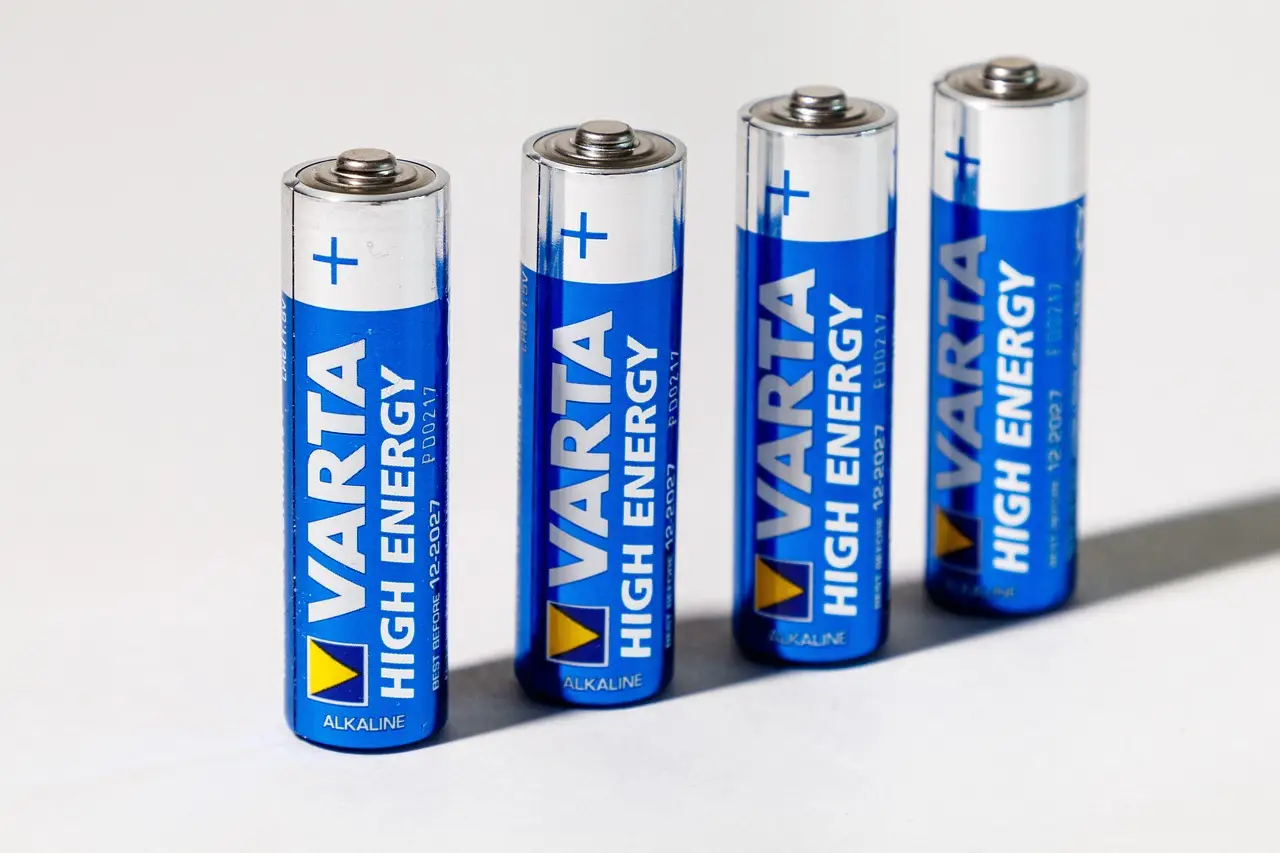
A 4 Ah pouch cell took 12.8 minutes to reach an 80 per cent charge with a new fluorinated electrolyte. The team behind it, at the University of Maryland, reached 90 per cent in 14.7 minutes. The findings appeared in the journal Science.
The work targets a failure mode that has received little attention in lithium-ion engineering. Lithium ions carry solvent molecules with them as they shuttle between electrodes. At slow charging speeds, that solvent flows back into the porous positive electrode and replenishes what left.
Fast charging breaks the balance. "When charging accelerates, however, that return flow struggles to keep pace," the researchers state in an accompanying announcement. "The electrode begins to dry out, and charging slows markedly."
What did the researchers actually find?
The mechanism is not new to electrochemistry. Chemists call it 'electro-osmotic drag'. Until now, though, the phenomenon belonged mainly to fuel-cell literature. "Its role in lithium-ion batteries had been overlooked until the Maryland-led study," the university writes.
That claim deserves scrutiny. Overlooked in academic literature is not the same as unknown in industry cell plants. The study does not say whether production engineers had already observed drying-related impedance rise in commercial cells. It also does not report cycle-life data for the modified electrolyte, which matters for any supplier weighing adoption.
How does the fix work?
The chemistry is straightforward in outline. The team added fluorine-containing chemical groups to the solvent molecules. Fluorination weakens the attraction between solvent and lithium ions, so the solvent returns to the positive electrode more readily.
"This new chemistry drastically reduces the chances of electrodes drying out, even at fast-charging speeds," the scientists explain.
The word "drastically" carries the usual caveat. The test article was a single 4 Ah pouch cell. No data in the announcement covers larger formats, temperature extremes, or thousands of cycles. Fluorinated solvents also raise cost and supply questions the university did not address.
Can charging drop below ten minutes?
Not yet. The team's stated next target is a sub-ten-minute charge. To reach it, they plan to pair the fluorinated solvent with a self-developed 'adaptive electrolyte'. "That electrolyte separates to protect both electrodes from the stresses of fast charging," the university reports.
That approach is at the research stage, not a validated path to production. The announcement gives no timeline, no cell count and no partner OEM. Translation from a 4 Ah laboratory cell to an 80 Ah automotive pack typically takes years.
Still, the mechanism itself matters for manufacturing. If electro-osmotic drag limits fast-charge rates at the electrode level, then cell makers pursuing extreme fast charging may need electrolyte reformulation, not just thermal management. Suppliers of electrolyte salts and solvents should watch this space.
What to watch next
Watch for follow-up studies reporting cycle life and low-temperature performance of the fluorinated formulation. Watch for any licensing or partnership announcement from Maryland. And watch whether the adaptive electrolyte survives scale-up testing — the sub-ten-minute claim rests entirely on it.
via electrive (Source)
More from Amara Osei
Show full bio
Market editor covering technology and product news in Automotive manufacturing and vehicle production at Autoplant Brief.
326 articles
Also circulated
- CATL puts lithium-air on long-term track as 2,000 km claim meets lab reality
- Fraunhofer Tames Volume Swell in Aluminium Anode Cells
- AMG Lithium expands Frankfurt lab to 1,100 sq m for solid electrolyte cell testing
- China Sets 2030 Target for Large-Scale Solid-State Battery Use
- Changan and CATL Target 75 GWh Joint Cell Capacity