ECO-1988 · REV I · effective November 16, 2026
EV Manufacturing TransitionAPPROVEDEngineering notice
Dangote and Sinotruk assemble Africa's first electric truck in Lagos
Africa's first locally assembled electric truck was unveiled in Lagos on November 15, 2026, by the Dangote-Sinotruk venture, which has assembled over 8,000 vehicles since 2017.
Scope of change
- First electric truck assembled in Africa unveiled November 15, 2026, in Ikeja, Lagos
- Dangote Sinotruk West Africa has assembled more than 8,000 vehicles in Nigeria since 2017
- Dangote Refinery received 4,000 CNG trucks from China under a ₦720 billion programme starting August 2025
- No price, battery capacity, range or production volumes disclosed for the electric truck
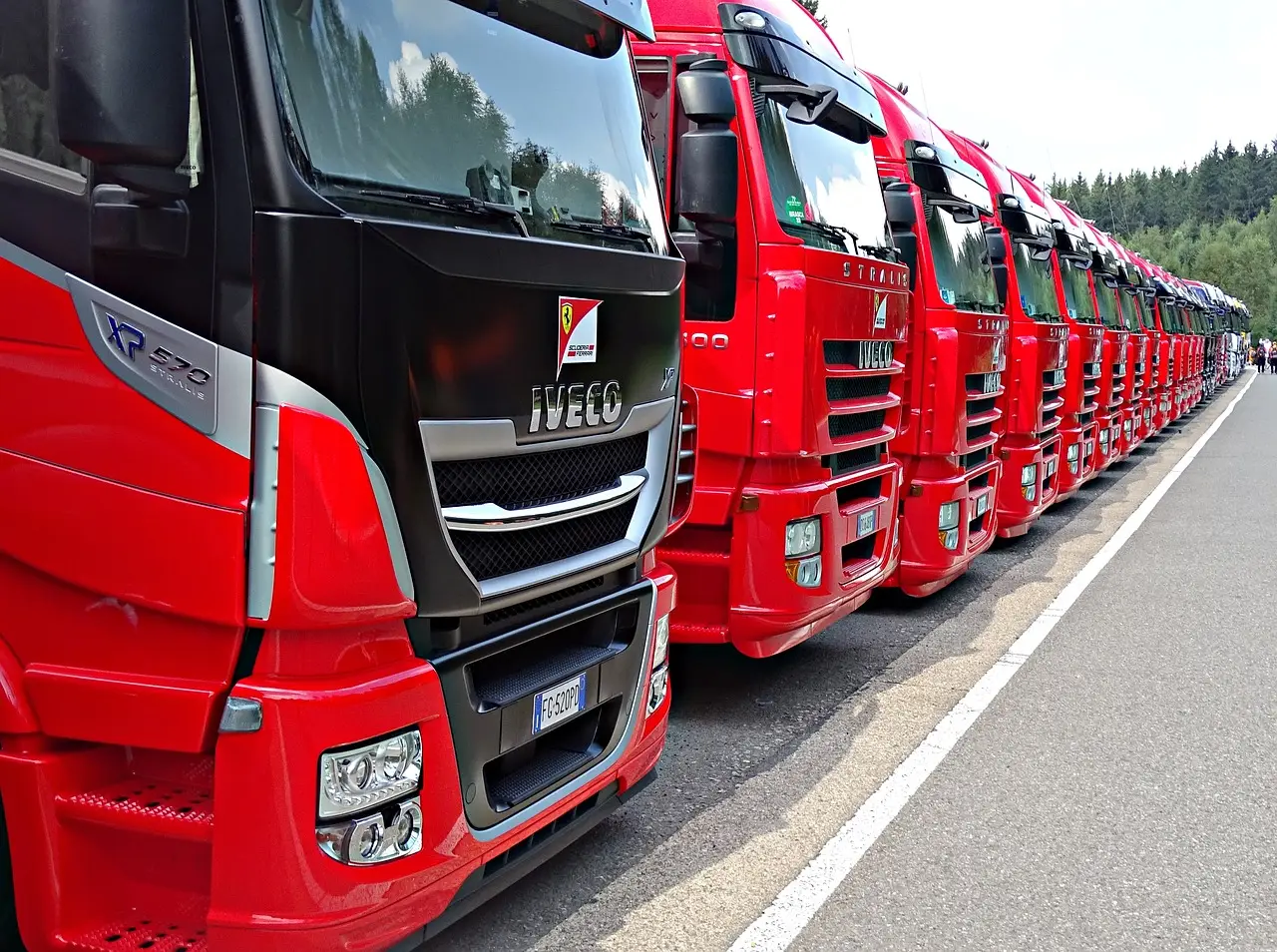
More than 8,000 vehicles have rolled off the Dangote Sinotruk West Africa Limited assembly line in Lagos since 2017 — and on November 15, 2026, the joint venture added the first electric truck ever assembled in Africa to that count.
The unveiling took place at the company's assembly facility in Ikeja, Lagos. It marks Dangote Sinotruk West Africa Limited's entry into electric commercial vehicle assembly, extending a portfolio that already covers heavy-duty trucks, tippers, pickups, light trucks and buses.
Africa's wealthiest man, Aliko Dangote, is behind the push. The move takes his transport interests beyond compressed natural gas (CNG, an alternative to diesel made mostly of methane) into battery-electric technology, with his businesses looking at options that cut dependence on conventional diesel-powered haulage.
Two different programs, one group
The distinction matters. The CNG truck program — the one that drew headlines — was run by Dangote Petroleum Refinery for its own fuel distribution. The electric truck comes through the Dangote-Sinotruk joint venture instead.
In August 2025, Dangote Refinery began receiving 4,000 CNG-powered trucks from China as part of a ₦720 billion investment in its nationwide petroleum distribution programme. The first batch started loading petroleum products in September 2025. The initiative was designed to reduce the refinery's reliance on third-party fuel transporters.
So the refinery imported CNG trucks at scale. The joint venture now assembles electric trucks locally. Different entities, different strategies, same group.
What the executives said
Speaking at the unveiling, Devakumar V.G. Edwin, Group Vice-President of Dangote Industries Limited, framed the move as a response to shifting technology in the global commercial vehicle industry.
"Today, we are taking an important further step as the global economy is looking for sustainable business, that is, vehicles which will also be protective of the environment. So, we went into CNG technology and now we are going into the electric technology. This is a technology which is revolutionising the whole world," Edwin said.
He was candid about the conditions attached to any payoff. Electric commercial vehicles could lower operating costs and cut tailpipe emissions, he said — but the benefits hinge on electricity prices, charging infrastructure and the application.
"The electric commercial vehicle offers the potential for lowering the operating cost and reducing the tailpipe emissions. Depending on the application, the electricity cost and the charging infrastructure, it is going to be highly beneficial to the people," he added, according to The Cable.
Sinotruk Group President Liu Wei confirmed the 8,000-unit assembly figure since the first heavy-duty truck came off the Nigerian line in 2017. He described the electric truck as the first new-energy truck assembled on the African continent.
What does this change for transport operators?
Right now, very little that they can price or plan around. The company says it is preparing charging infrastructure, spare parts and after-sales support, alongside technical training for Nigerian engineers and technicians. That's a supplier claim, not a deployed network.
What's missing is the commercial detail. The company has not disclosed the electric truck's price, battery capacity, driving range or planned production volumes. In a market where grid reliability and electricity costs vary widely, those gaps leave transport operators unable to compare an electric truck's total cost of ownership against the CNG units Dangote itself imported by the thousand. No volumes means no basis for judging whether this is a production program or a demonstrator.
What to watch next
Three things will tell whether this is a real assembly program. First, a production volume target and price point from the joint venture. Second, concrete charging infrastructure commitments — locations, timelines, power capacity — rather than preparation statements. Third, the first fleet order: whether Dangote Refinery itself, which shifted 4,000 trucks to CNG, becomes the electric truck's anchor customer or leaves it to external hauliers.
via africa.businessinsider.com (Source)
More from Grace Kim
Show full bio
Staff writer covering people, launches and day-to-day practice in Automotive manufacturing and vehicle production at Autoplant Brief.
293 articles