ECO-9356 · REV O · effective November 16, 2026
EV Manufacturing TransitionAPPROVEDEngineering notice
Veolia's French plant recycles 7,000 tonnes of battery black mass a year
Veolia has opened a hydrometallurgical black mass plant in Grand Est, France, processing 7,000 tonnes annually — roughly 20,000 tonnes of batteries — with over 90% metal recovery.
Scope of change
- Veolia's Grand Est plant processes nearly 7,000 tonnes of black mass annually, equal to about 20,000 tonnes of batteries.
- The company claims recovery rates above 90% for cobalt, nickel and copper using its own hydrometallurgical technology.
- Veolia estimates nearly 700,000 tonnes of batteries will need processing in Europe within five years, containing strategic metals worth over €1 billion.
- An EU Safeloop study found recycling a battery pack in Europe loses around €1.90 per kilogramme on average.
- Veolia announced its first major EV battery recycling plant in Minworth, UK, in 2022.
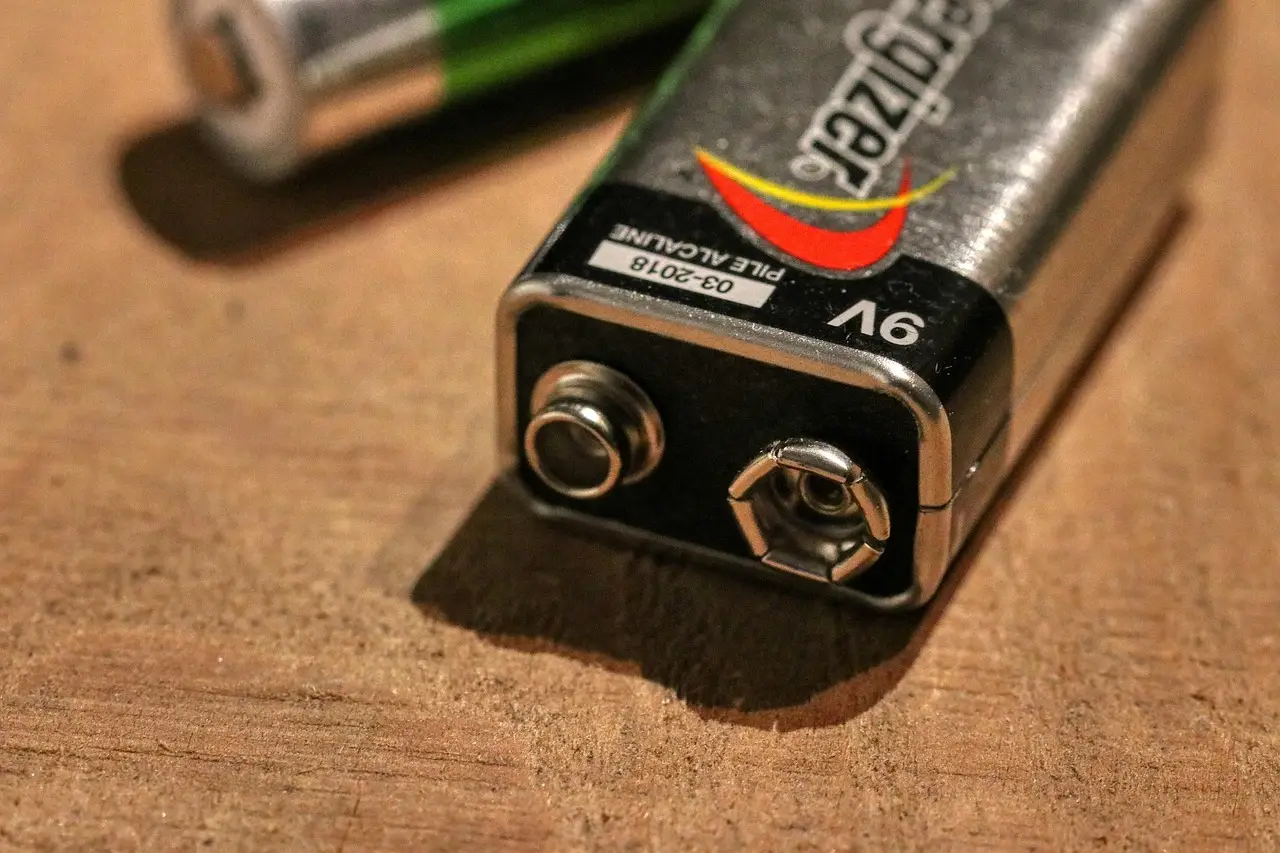
Nearly 7,000 tonnes of battery black mass per year — the equivalent of roughly 20,000 tonnes of lithium-ion batteries — is the capacity Veolia claims for its newly opened recycling plant in Grand Est, France. The company says the facility, presented with European Commission Executive Vice-President Stéphane Séjourné in attendance, is the first European project of its kind to run on Veolia's own hydrometallurgical technology.
The plant sits downstream in the recycling chain. Black mass is what remains after end-of-life batteries are shredded and processed; it contains nickel, cobalt and copper. Veolia's hydrometallurgical process separates those metals from the material stream for reuse in European industrial applications. Feedstock currently arrives from France, the UK and Switzerland.
What recovery rates does Veolia claim?
Recovery rates above 90 per cent for cobalt, nickel and copper, according to the company. That figure is Veolia's own claim, presented at the plant's opening, and no independent production data accompanied it. The initial customer targets are automotive, construction and defence industries. Longer term, Veolia sees the recovered materials feeding European battery production — but the company has offered no timeline for a closed-loop battery-to-battery process, and the gap between intention and schedule is where recycling announcements most often stall.
How does the plant fit Veolia's wider network?
Veolia has spent several years assembling a European battery recycling chain. In 2022 it announced its first major electric vehicle battery recycling plant in Minworth, UK, where end-of-life batteries would be discharged, dismantled, then processed mechanically and chemically. Grand Est operates further down the value chain, taking the black mass those upstream stages produce and recovering strategic metals from it.
Upstream capacity is also expanding. Battery dismantling projects are under development in the UK, Belgium and Slovenia, and the black mass they generate could flow to facilities like Grand Est. Whether those projects reach operation on schedule will determine how much of the 7,000-tonne capacity actually runs full.
Does the economics stack up?
Not yet, on current evidence. A recent study conducted under the EU Safeloop project found that recycling a battery pack in Europe incurs an average loss of around €1.90 per kilogramme. The study's authors identified the key cost drivers as hazardous goods transport, dismantling and uncertainty over material recovery. They also concluded that more efficient processes, shorter transport routes and more integrated value chains could significantly improve the economics — a conclusion that is a projection, not a demonstrated result.
The market pull is nonetheless real and growing. Veolia estimates that nearly 700,000 tonnes of batteries will need processing in Europe within five years, with the strategic metals they contain valued at more than one billion euros. As end-of-life electric vehicle volumes rise, the question of where recovered raw materials get processed becomes more consequential, and Veolia is pressing for additional regulatory and economic frameworks in Europe to keep more of that material on the continent.
What to watch next
Watch for third-party verification of the 90 per cent recovery claims once the plant ramps toward nameplate capacity, and for any concrete timeline on closed-loop battery-to-battery supply. The commissioning dates of the UK, Belgian and Slovenian dismantling projects will signal whether Grand Est gets enough feedstock to run at capacity. The wider test is regulatory: whether Brussels delivers the frameworks Veolia is asking for, and whether European recycling economics move from a €1.90-per-kilogramme loss toward profitability.
via electrive (Source)
More from Amara Osei
Show full bio
Market editor covering technology and product news in Automotive manufacturing and vehicle production at Autoplant Brief.
326 articles
Also circulated
- Green Science Alliance opens battery recycling lab in Biel, Switzerland
- India bans lithium-ion black mass exports with immediate effect
- £1.4m UK grant backs nickel, cobalt and copper recovery push
- €1.90 per kilo: the number framing Fraunhofer's new recycling tool
- Hydrovolt to Recycle Iceland's EV Batteries at Fredrikstad Plant