ECO-5708 · REV U · effective September 28, 2026
EV Manufacturing TransitionAPPROVEDEngineering notice
CK Birla Group Weighs EV Manufacturing at Uttarpara Site
CK Birla Group is exploring EV production at its Uttarpara site in West Bengal, with no capacity, investment or timeline yet confirmed for the plan.
Scope of change
- CK Birla Group is evaluating EV manufacturing at its Uttarpara facility in West Bengal
- No investment figure, capacity target or timeline has been disclosed; the plan remains an intention, not a confirmed program
- The Uttarpara site formerly built the Hindustan Motors Ambassador; Bengal lost its auto base after Tata's 2008 Singur exit
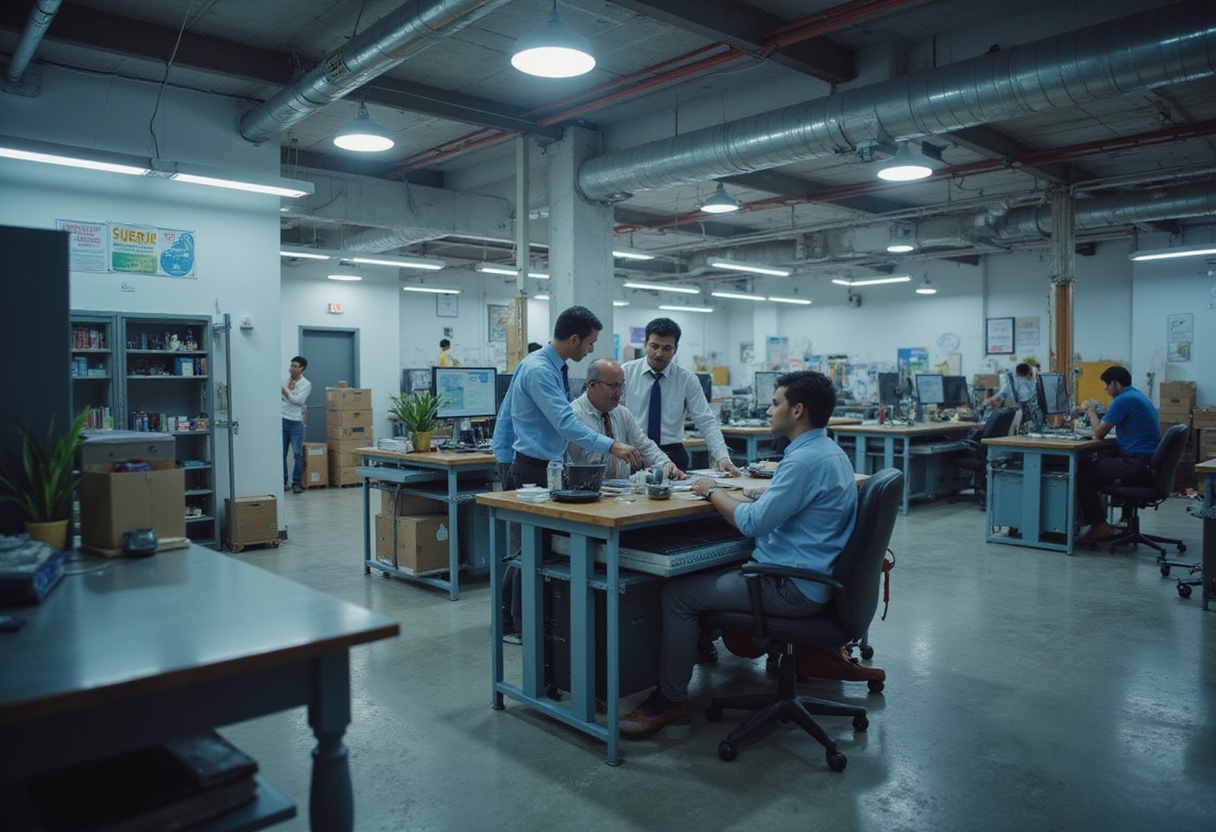
CK Birla Group is evaluating electric vehicle manufacturing at its Uttarpara facility in West Bengal, a move that would return auto production to a state that has spent more than a decade outside India's mainstream automotive map.
The group did not disclose investment figures, capacity targets or a timeline for the program. The plan, reported by Moneycontrol, remains at an exploratory stage — an announced intention rather than a confirmed capacity commitment. No statement from the company specifies which vehicle segments, volumes or launch dates are under consideration at the site.
The Uttarpara plant carries weight in any discussion of Bengal's industrial trajectory. Hindustan Motors operated the facility for decades as the home of the Ambassador, India's definitive sedan through much of the twentieth century. Production effectively wound down in the 2010s, and the site has since been tied to the group's diversified engineering interests rather than volume carmaking.
A revival under an EV program would test whether West Bengal can rebuild an automotive supplier base it largely lost after Tata Motors abandoned its Singur project in 2008 and shifted Nano production to Sanand, Gujarat. That exit triggered a chain reaction: component makers redirected investment west and north, and Bengal's share of India's auto manufacturing value chain never recovered.
The competitive context is unforgiving. Tamil Nadu, Maharashtra, Gujarat and Uttar Pradesh have locked in decades of supplier ecosystems, port access and skilled labour pools. New EV entrants and incumbent OEMs have concentrated capacity in these corridors, and states such as Karnataka and Telangana have moved aggressively with EV-specific incentives to capture the next wave of investment. Bengal's case rests on land availability at established industrial sites, a large labour pool and the political appetite to court manufacturing investment.
For CK Birla Group, the calculus is different. The group already operates in automotive-adjacent businesses through its engineering and components interests, and an EV program at a brownfield site like Uttarpara would sidestep the land acquisition problems that have stalled greenfield projects in eastern India. Brownfield conversion also cuts program timing — an advantage in a segment where product cycles are compressing.
The unanswered questions are the ones that matter to production planners. No announced capacity figure exists. No tooling or platform decision has surfaced publicly. No supplier localization commitments accompany the report. Until the group states a production target, an investment envelope and a start of production date, the Uttarpara EV plan sits in the same category as dozens of state-level manufacturing aspirations announced each year in India — directionally interesting, commercially unconfirmed.
What to watch next: a formal CK Birla Group announcement specifying investment and capacity for Uttarpara; West Bengal's industrial incentive policy response, which would signal how hard the state is willing to compete for EV programs; and any supplier tier-one commitments that would indicate whether a localization ecosystem around the site is feasible at target volumes.
via Google News: EV manufacturing (Source)