ECO-1053 · REV L · effective September 28, 2026
EV Manufacturing TransitionRELEASEDEngineering notice
VW's PowerCo and Gotion Target €3.22bn Across Three Battery JVs
PowerCo and Gotion plan €3.22bn across JVs in Spain, Slovakia and Morocco — 37.5 GWh of cells plus LFP cathode supply — but no formal investment agreement has been signed yet.
Scope of change
- PowerCo and Gotion plan ~€3.22bn (US$3.68bn) across three JVs: €2.26bn for 29.1 GWh in Valencia, €480m for 8.4 GWh in Šurany, and €480m for a 100,000-tonne LFP cathode plant in Kenitra, Morocco.
- No formal investment agreement is signed; the deal still requires shareholder approval and government clearances in China and Europe.
- Ownership splits differ by asset: PowerCo keeps 51% in Valencia; Gotion takes 51% in Šurany and Kenitra. VW's investment arm already holds 24.28% of Gotion.
- Gotion installed 34.0 GWh globally in the first seven months of 2026, up 44.2% year-on-year, ranking fifth worldwide with 4.7% share (SNE Research).
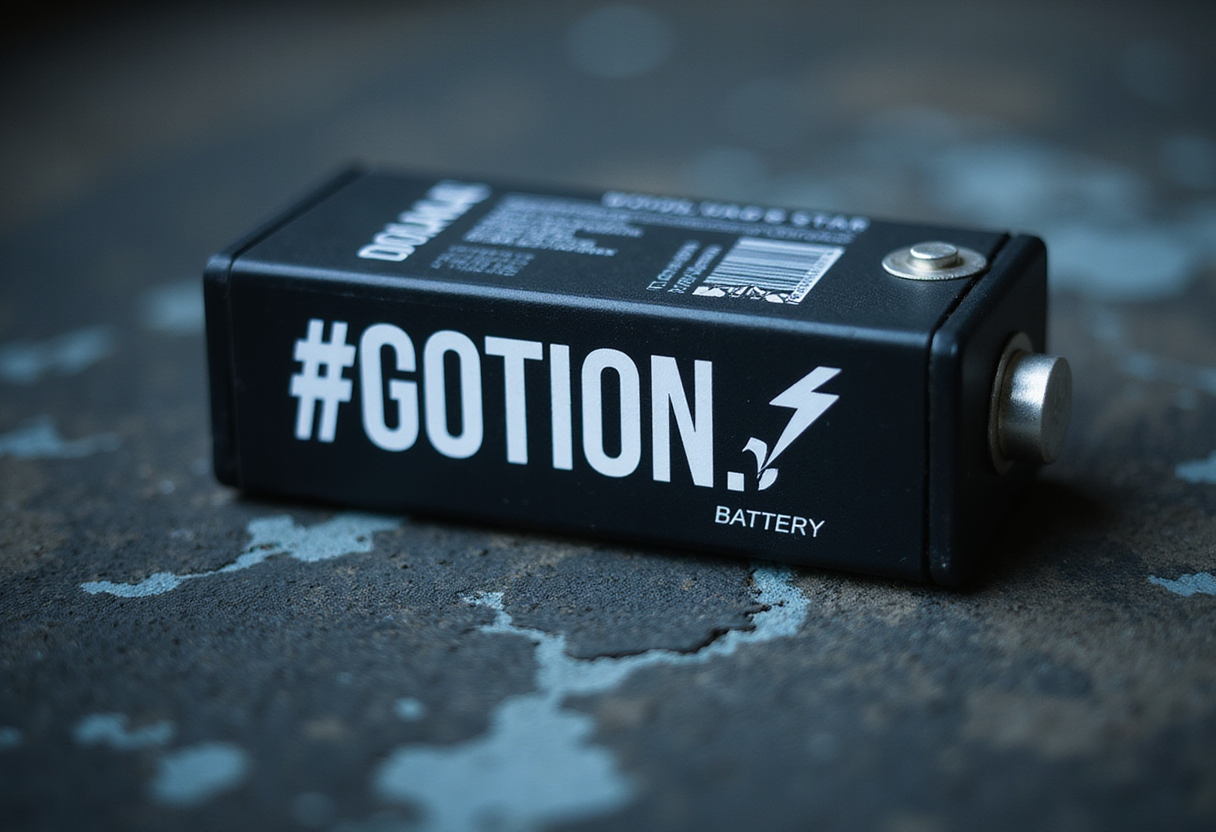
Volkswagen's battery unit PowerCo and Chinese cell maker Gotion plan to invest roughly €3.22bn (US$3.68bn) across three joint ventures in Spain, Slovakia and Morocco — a combined 37.5 GWh of new cell capacity plus upstream cathode supply. The number is an announced intention, not a signed commitment: Gotion's board approved the proposal the same day the plans were disclosed, but the companies have yet to sign a formal investment agreement, and the deal still needs shareholder approval and government clearances in both China and Europe.
The largest project anchors the existing PowerCo site in Valencia, Spain. It calls for €2.26bn to build 29.1 GWh of annual lithium-ion battery capacity. Gotion would take a 49% stake in PowerCo Spain through a capital increase, with PowerCo retaining 51% control.
That structure tracks with local media reporting from July, when the two companies were said to be in advanced talks over a Gotion stake in the Valencia plant specifically. Gotion Chief Executive Li Zhen visited the site to evaluate it, and PowerCo said at the time it had no plan to cede control. At 51%, that remains the case — barely.
A second project in Šurany, Slovakia, flips the ownership: Gotion holds 51%, PowerCo 49%. It involves €480m for 8.4 GWh of annual capacity. A third JV, also split 51-49 in Gotion's favour, will invest €480m in a lithium iron phosphate (LFP) cathode materials plant in Kenitra, Morocco. The companies expect 100,000 metric tons of annual output from Kenitra, feeding the two European cell plants.
Cells from Spain and Slovakia will prioritise Volkswagen's own European demand, though specific purchase volumes remain subject to separate definitive agreements — a caveat worth watching for anyone modeling PowerCo's supply balance.
An equity relationship already in place
The expansion deepens an existing financial tie. Volkswagen's Chinese investment arm held a 24.28% stake in Gotion as of 20 September, making it the battery maker's largest shareholder. Gotion remains small next to CATL and BYD, but its global EV battery installations reached 34.0 GWh over the first seven months of 2026, up 44.2% year-on-year, according to SNE Research. Its global market share rose from 3.9% to 4.7%, ranking fifth worldwide.
The partnership is one piece of a larger battery strategy Volkswagen has built since founding PowerCo in 2022. At its core sits the standardised prismatic 'Unified Cell', designed to power more than 80% of future vehicles across the Group's brand portfolio. External cell dimensions stay identical regardless of application; internal chemistry varies by segment. Low-cost LFP and eventual sodium-ion serve entry-level models, while high-nickel NMC and eventual solid-state technology cover the premium end.
PowerCo runs its own gigafactories on a 'Standard Factory' blueprint — identical building layouts, machinery and IT systems across sites — to speed deployment and cut capital expenditure. Plants in Salzgitter, Germany; Valencia, Spain; and St. Thomas, Ontario together target up to 200 GWh of annual capacity. Upstream, the Ionway joint venture with Umicore is building a cathode and precursor materials facility in Nysa, Poland, aiming to supply enough material for roughly 2.2 million EVs a year by 2030.
PowerCo has a stated goal of pushing battery pack costs below US$100/kWh. That target depends on running one standardised architecture across every partner simultaneously: Gotion for LFP engineering and Asian volume, QuantumScape for solid-state licensing, CATL and LG Energy Solution for current MEB-platform demand. The Gotion JVs function less as a standalone deal than as one component of a supply network Volkswagen is deliberately keeping technology-agnostic and geographically diversified.
Control calibrated by asset
The reversal of the ownership split between the Spanish project — where PowerCo keeps control — and the Slovak and Moroccan projects, where Gotion holds majorities, suggests Volkswagen is calibrating how much operational control it cedes to its Chinese partner by asset type. It keeps its most strategically important European cell plant under direct control while relying on Gotion's own expertise for smaller, more specialised capacity.
What to watch next: the signing of the definitive investment agreement, the shareholder votes and Chinese and European government clearances, and the separate purchase-volume agreements that will determine how much of the 37.5 GWh actually lands in Volkswagen vehicles.
via Automotive World (Source)