Effective November 19, 2026
Automation & RoboticsEngineering notice
U.S. Robot Capacity Could Expand as Demand and Policy Align
U.S. robot suppliers may add domestic capacity as demand and policy strengthen. Teradyne Robotics' Metro Detroit hub is the clearest announced move, but no output target is provided.
Scope of change
- Teradyne Robotics announced a new U.S. operations hub in Metro Detroit.
- Jane Heffner said Teradyne made the hub decision before the FCC ruling.
- Heffner said U.S. robot capacity follows demand and policy.
- No capacity, output, investment, staffing or opening date was disclosed.
- Robots Today releases new episodes monthly on AssemblyMag.com.
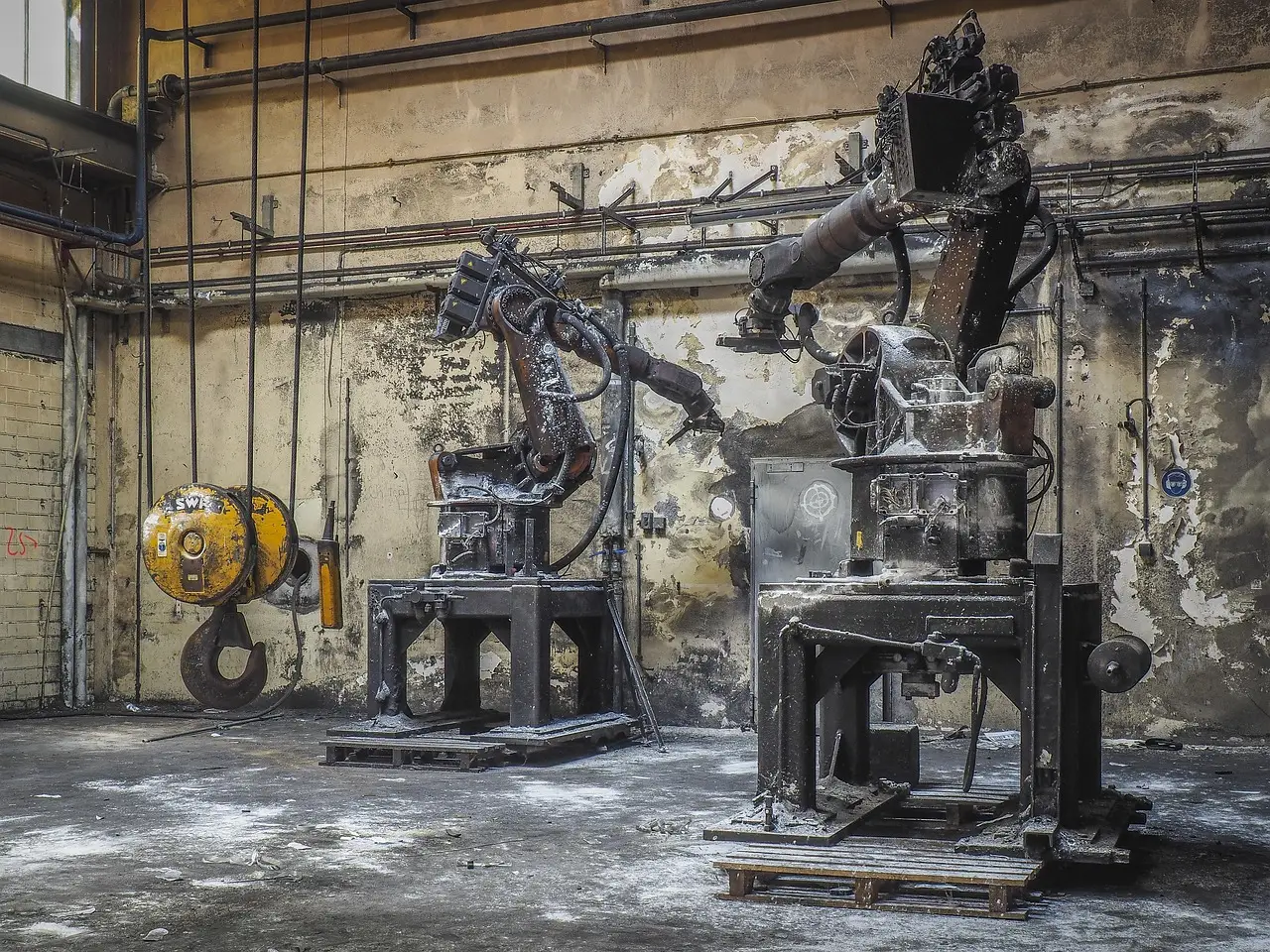
No U.S. robot production capacity target was announced in the episode, leaving the scale of a potential domestic supply build unresolved. The clearest announced move is Teradyne Robotics' new U.S. operations hub in Metro Detroit, Michigan; the video provides no output, investment, staffing or opening-date figures.
A hub announcement without a capacity figure
In an ASSEMBLY “Robots Today” video, International Federation of Robotics President Jane Heffner connected growing automation demand, changing U.S. policy and suppliers' interest in operating closer to American customers. “Manufacturers are obviously following developments very closely, working with governments, but in some cases, pivoting towards U.S. manufacturing,” she said.
Her company, Teradyne Robotics, illustrates that interest. The Metro Detroit location places the decision in the robotics-supplier tier, close to U.S. industrial customers; the video does not connect it to a named automotive original equipment manufacturer (OEM), vehicle program or production line. Nor does it specify whether the hub will manufacture robots or perform service, engineering or other operating functions.
Heffner said Teradyne decided on the hub before the FCC ruling cited in the episode. She said companies were already considering U.S. operations because of the scale of industry demand and the need to remain close to customers and stay local. The episode does not explain the ruling's content, and it does not present the hub as a direct response.
Capacity follows demand and policy
Her broader claim is conditional rather than a capacity forecast. “I think in any situation, capacity builds where demand and policy pull it,” Heffner said. As long as demand remains, she expects robotics companies to find investment routes. The statement sets no national production goal, plant count or schedule.
Companies that previously lacked U.S. manufacturing operations may now consider establishing them, according to Heffner. That is an announced possibility, not a committed project list: she identified no prospective operators, sites, capital amounts, customer commitments or production milestones. The video therefore supports a watch list for U.S. robot capacity, not a quantified forecast of manufacturing relocation.
Within the episode, confirmed activity is limited to Teradyne's announced Metro Detroit operations hub. Even that remains unquantified, and the episode does not establish when equipment, hiring or customer shipments will follow. Treating the hub as current robot output would overstate what has been disclosed.
What changes for robot suppliers and manufacturers?
For robot suppliers, the practical change is that policy and sustained demand warrant closer examination of local capacity options. For manufacturers, local suppliers may become more relevant as automation adoption grows. Neither group should treat Heffner's market logic as proof of available capacity; evidence must move from a stated intention to a named site, installed equipment and measured output.
The episode does not identify an automotive OEM, vehicle model, launch date or automotive production milestone. At the supplier tier, Teradyne's hub is therefore a U.S. operations decision, not evidence of a model-specific sourcing award. This distinction keeps the broader robotics discussion from being overstated as an automotive-program shift.
“Robots Today” examines current robotics developments, while the companion series “The Future Is Robotic” looks at where the technology is headed. ASSEMBLY releases new episodes monthly on AssemblyMag.com. The publisher also offers Ask ASM, a smart artificial-intelligence search tool for quick answers on assembly and manufacturing topics.
Three items should define the next phase. They are the operating scope and capacity of Teradyne's Metro Detroit hub, any additional supplier that converts consideration into a committed U.S. facility, and the policy decisions affecting domestic robot production.
Until those items emerge, there is no disclosed plant output, launch date or capacity milestone against which manufacturers can benchmark U.S. robot supply. The next useful update will be an operating detail, not another general statement of intent.
via bnpmedia.com (Original)
More from Marcus Bennett
Show full bio
News editor covering regulation, policy and their impact on Automotive manufacturing and vehicle production at Autoplant Brief.
324 articles
Also circulated
- US Auto Plants Ramp Up Robot Spending, Assembly Magazine Reports
- Robot Orders Climb Past Automotive, Assembly Reports
- GM reportedly plans 20% factory automation increase by 2028
- North American robot orders rise 24.8% in Q3 2026 across key sectors
- Daimler Truck Plans New US Assembly Plant, Targets 2029 Start