ECO-6452 · REV Q · effective September 30, 2026
Auto Industry PolicyAPPROVEDEngineering notice
Trump Threatens 50% Tariff on Canadian Vehicles and Parts
Trump is threatening a 50% tariff on Canadian-built cars, trucks and auto parts, a levy that would reprice one of the industry's most integrated cross-border production networks.
Scope of change
- Trump has threatened a 50% levy on Canadian-built cars, trucks and auto parts
- Ford, GM, Stellantis, Honda and Toyota all assemble vehicles in Ontario for the US market
- The announcement is a negotiating threat so far, not a confirmed duty rate with an effective date
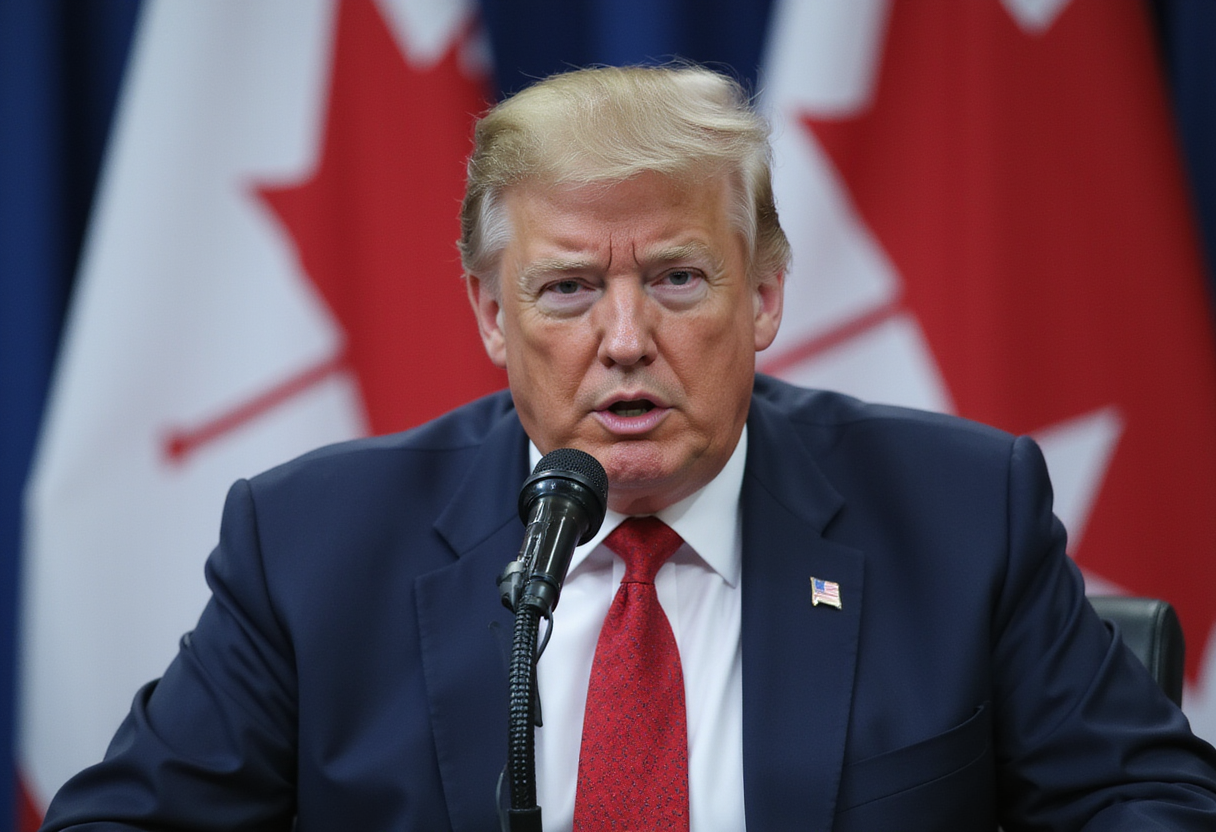
A 50% tariff on Canadian-built cars, trucks and auto parts is back on the table. President Donald Trump has publicly floated the levy, and if he follows through, it would land on one of the most integrated production networks in the global auto industry.
The threat matters because of scale. Canada and the United States trade vehicle components across the border multiple times before a finished vehicle rolls off a line. Engines, transmissions, stampings, seats and wiring harnesses routinely cross the Ambassador Bridge and other crossings several times during assembly. A 50% duty applied at each crossing, or even at final entry, would reprice every one of those movements.
Canadian plants build some of the highest-volume vehicles sold in the United States. Detroit Three assembly operations in Ontario — including plants operated by Ford, General Motors and Stellantis — feed the US market with pickup trucks, vans and crossovers. Honda and Toyota also assemble vehicles in Ontario, and a long list of Tier 1 and Tier 2 suppliers on the Canadian side ship parts daily to US stamping and assembly plants in Michigan, Ohio and Indiana.
For now, this is a threat, not a confirmed policy. Trump has used tariff announcements repeatedly as negotiating leverage, and several of his earlier levies were delayed, reduced or restructured after talks with trading partners. Automakers and suppliers planning production schedules for the coming quarters will treat this announcement as an intention to verify, not a settled duty rate.
The industry has already absorbed earlier rounds of US tariffs on imported vehicles and parts this year. Those duties pushed OEMs to rework sourcing, and several announced shifts in where they build specific models. A jump to 50% on Canadian product would go well beyond the current cost base and could force harder decisions: moving assembly out of Canada, renegotiating supplier contracts, or raising prices on Canada-built vehicles sold in the US.
Suppliers face the sharpest exposure. A Tier 1 shipping a component from Ontario to a Michigan assembly plant pays the duty on entry, and OEMs typically push suppliers to absorb part of that cost. Plants on both sides of the border that run lean, just-in-sequence operations have little slack to reroute freight or rebuild supply chains quickly.
Canadian officials and provincial leaders have responded to earlier tariff moves with both retaliation threats and negotiation offers, and Ontario's government has previously used electricity export surcharges as leverage in the dispute. How Ottawa and the provinces react to this latest figure will shape whether it stands.
What to watch next: whether the White House issues an actual proclamation setting the 50% rate and an effective date for Canadian vehicles and parts; whether Canada retaliates or returns to the negotiating table; and how quickly OEMs with Ontario assembly footprint — Ford, GM, Stellantis, Honda and Toyota among them — adjust build plans and US pricing if the levy takes effect.
via Google News: Auto industry policy (Source)
More from Grace Kim
Show full bio
Staff writer covering industry trends and analytics at Autoplant Brief.
82 articles
Also circulated
- Trump Threatens 50% Tariff on Vehicles and Parts From Canada
- Trump's 50% Auto Tariff Threat Rattles Southwestern Ontario Plants
- 50% Canada Tariff Threat Rattles Michigan Auto Plants Near Detroit
- Trump Doubles Canada Auto Tariffs as Industry Warns of Competitive Hit
- New Canadian Auto Tariff Threat Puts US Automakers in Crossfire