ECO-9554 · REV G · effective October 10, 2026
Auto Industry PolicyAPPROVEDEngineering notice
Trump Threatens Higher Tariffs on Canada After Trade Talks Collapse
President Trump is threatening to raise tariffs on Canadian exports above the existing 25% baseline after bilateral trade talks broke down, escalating pressure on the integrated North American auto supply chain ahead of the 2026 USMCA review.
Scope of change
- Trump is threatening tariff rates above the existing 25% baseline on Canadian exports
- Canada ships roughly 1.4 million light vehicles annually to the United States
- USMCA-compliant vehicles require 75% regional content to qualify for duty exemption
- USMCA's mandatory six-year review is scheduled for 2026
- Specific threatened rate and cause of talk breakdown remain undisclosed in available reporting
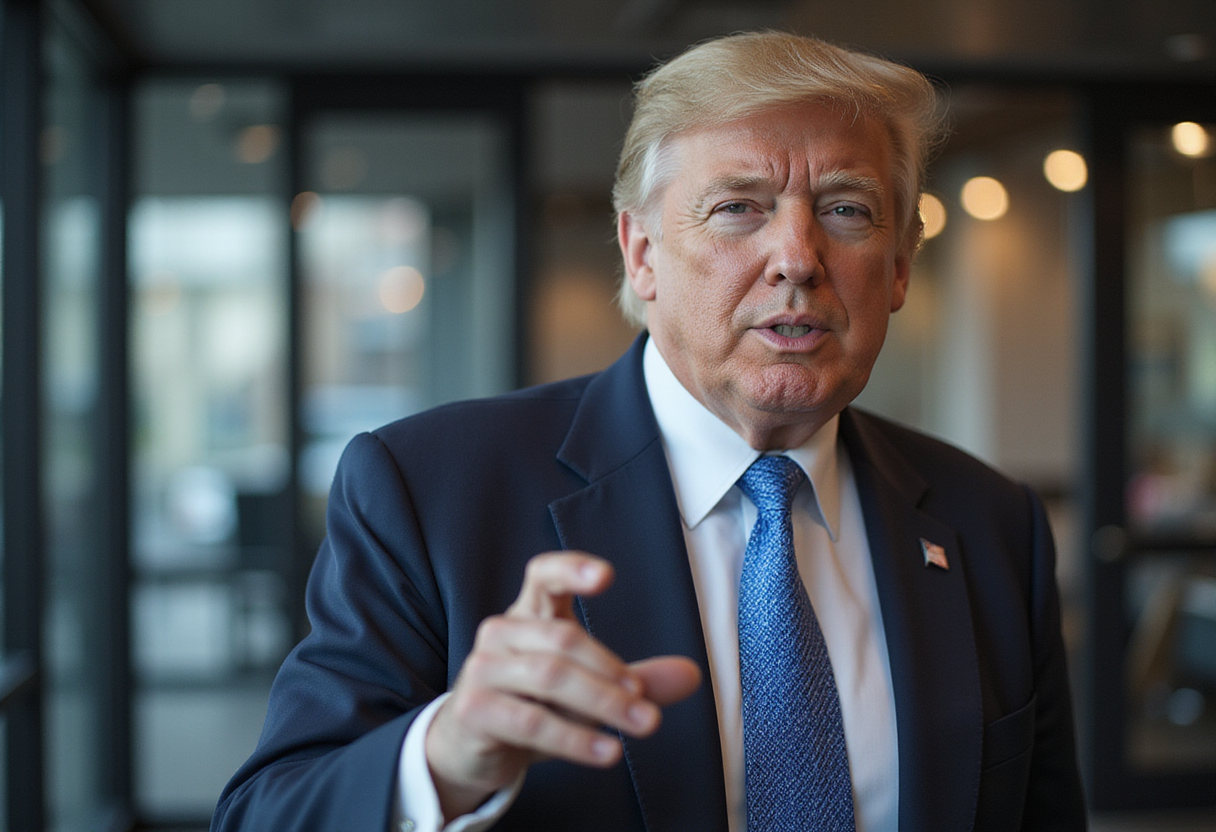
President Donald Trump is threatening to raise tariffs on Canadian exports above the existing 25% rate after bilateral trade talks broke down, according to a New York Times report circulated Tuesday.
What has been proposed?
Specifics remain undisclosed. The wording — "even higher" — signals an upward revision from the 25% baseline his administration has held on Canadian goods since early 2025, when broad reciprocal tariffs took effect. Vehicles and parts qualifying under the USMCA carve-outs have so far moved under those exemptions. A blanket increase would close that gap for non-compliant lines.
Why does this hit auto manufacturing hardest?
Canada ships roughly 1.4 million light vehicles a year to the United States, plus a comparable volume of finished parts. Ontario assembly plants operated by Stellantis, Ford, Honda and Toyota export the majority of their output across the border. A tariff hike above 25% would lift the bill of materials on a typical North American–built vehicle by several hundred dollars, per industry modeling, with much of the cost absorbed by assemblers in the near term.
Tier 1 suppliers clustered in Windsor, Brampton and Oakville carry the heaviest exposure. Most operate on margins in the single digits and feed just-in-time delivery to US assembly plants, leaving little room to absorb a duty shock.
What triggered the breakdown?
The Times report attributes the impasse to a failure to reach consensus on terms. The available reporting names no specific spokesperson, cabinet official, or Canadian counterpart. The precipitating dispute remains unconfirmed.
What is the legal framework?
The United States-Mexico-Canada Agreement replaced NAFTA in 2020 and remains the operating framework for North American auto trade. It exempts compliant goods — vehicles with at least 75% regional content, steel and aluminum meeting regional smelt-and-pour rules — from duties. Unilateral tariff hikes outside USMCA's dispute mechanism would expose the United States to a formal challenge from Ottawa or Mexico City.
The agreement's mandatory six-year review sits in 2026. Trade lawyers argue that action taken before that window risks cascading into renegotiation pressure across the broader file.
What to watch next
- Revised tariff schedule. The administration has not yet published a new rate. Watch for an executive order within days if the threat materializes.
- USMCA carve-outs. Whether vehicles and parts meeting regional content rules remain exempt is the single largest variable for OEM planning.
- Canadian retaliation. Ottawa's 2025 response list covered US-built vehicles, steel, aluminum and spirits. A revival of that list is the most likely Canadian response.
- OEM guidance. Detroit Three earnings calls in coming weeks will show whether suppliers have received formal notice of higher duty pass-throughs.
For now, cross-border just-in-sequence lines continue running. The clock on the next decision is short.
via Google News: Auto industry policy (Source)
More from Grace Kim
Show full bio
Staff writer covering industry trends and analytics at Autoplant Brief.
133 articles
Also circulated
- Even a 15% U.S. Tariff Could Hit Canadian-Built Vehicles Hard
- Trump Threatens 50% Tariff on Vehicles and Parts From Canada
- Trump Doubles Canada Auto Tariffs as Industry Warns of Competitive Hit
- Trump's 50% Auto Tariff Threat Rattles Southwestern Ontario Plants
- US Imposes 50% Tariff on $20B in Canadian Goods; Auto Hike Looms