Effective November 25, 2026
Vehicle Plants & ProductionEngineering notice
Thai Output Plunges 35% as Floods Hit Plants, Sales Rise 9%
Thailand's factories built 35% fewer vehicles in October as floods struck Bangkok, even as domestic sales climbed 9% to 51,127 units on surging BEV demand ahead of a tax hike.
Scope of change
- Thai vehicle production fell 35% year-on-year to 87,938 units in October 2026 amid flooding.
- Domestic sales rose 9% to 51,127 units, with BEV sales up 94% to 16,460 units.
- Excise tax on imported BEVs rises from 10% to 35% in January 2027.
- Year-to-date BEV sales hit 178,730 units, up 96%; exports fell 8% to 709,512 units.
- GlobalData forecasts 2026 light vehicle sales of 679,000 units, up 10%.
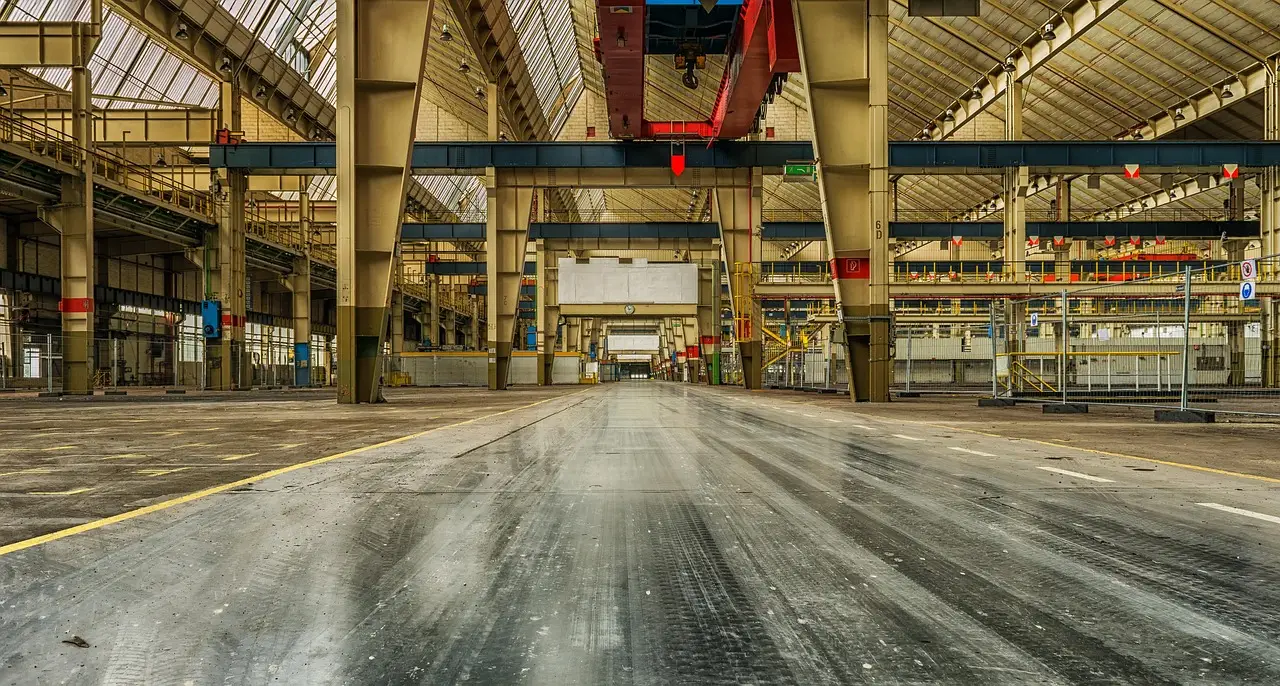
Thai vehicle production collapsed by 35% to 87,938 units in October 2026, according to data from the Federation of Thai Industries (FTI). Floods did the damage. Heavy monsoonal rains submerged large areas of Bangkok and other key industrial regions, disrupting plant activity at the worst possible time for an export-oriented sector already under strain.
The demand side of the Thai market tells a different story. Domestic sales grew 9% year-on-year to 51,127 units in October, after a 25% rise to 47,032 units in the same month last year, the FTI reported. The divergence between booming showrooms and drowned factories is the defining feature of this month's data.
What is pulling sales upward?
Battery electric vehicles carried the market. BEV sales surged 94% year-on-year to 16,460 units in October, against continued weakness in the ICE pickup segment, which declined a further 11% to 8,930 units. That pickup slide matters. Thailand's industrial heartland has long run on one-tonne trucks, and their erosion signals a structural shift rather than a blip.
Buyers have a deadline. The Thai government announced earlier this month an excise tax hike on imported BEVs, from the current 10% to 35%, effective January 2027. The stated aim is to push automakers toward local production and domestic supply chain development. Purchases pulled forward ahead of that hike now flatter the sales figures — volumes partly borrowed from 2027, not organic growth.
The year-to-date picture confirms the pattern. Thailand's domestic market expanded 16% to 572,352 units in the first ten months of 2026, up from 495,001 units a year earlier, despite pickup sales falling 5% to 110,164 units. BEV sales surged 96% to 178,730 units, including significant volumes of completely built-up (CBU) vehicles imported from China. The more the Thai market grows, the more it leans on imports — until localisation policy bites.
What did the floods actually cost?
Production data shows the scale of the disruption. Output in the first ten months fell almost 4% to 1,076,968 units (the FTI's published figure of 1,0167,968 appears to contain a typographical error), while exports declined 8% to 709,512 units. Thailand's position as a regional export hub is taking measurable damage, and flood recovery timelines for affected plants remain the open question.
The macro backdrop offered no excuse for weakness. Thai economic growth accelerated to 2.9% year-on-year in the third quarter of 2026, compared with upwardly revised growth of 2.4% in the second quarter, on strong exports, private consumption and investment. The economy grew; the assembly lines stopped. That contrast isolates the floods as the production culprit rather than softening demand.
How long can the BEV surge last?
GlobalData is forecasting light vehicle sales to rise by 10% to 679,000 units this year, after growth of 9% to 618,000 units in 2025. The forecast then calls for a further 5% rise to 710,000 units in 2027. Those numbers look optimistic against the pre-tax-hike buying frenzy now inflating 2026 volumes — a pullback in imported-BEV demand after January is the obvious risk that the forecast does not flag.
The tax policy itself is the market's hinge. A jump from 10% to 35% excise on imported BEVs is not a marginal adjustment; it re-prices every Chinese CBU entry into the Thai market. Automakers that committed to local assembly gain. Importers face a cliff. The government has said the policy aims to encourage investment in local production and supply chain development — but no specific investment pledges or plant announcements accompanied the hike.
Watch three things next. The January 2027 excise implementation date will test whether 2026's BEV volumes were demand or timing. Flood-affected plants' recovery rate will determine whether the 8% export decline reverses in the final quarter. And any OEM announcements of Thai BEV localisation before year-end would show whether the tax threat is actually converting imports into domestic capacity — or simply chilling the market's fastest-growing segment.
via just-auto (Source)
More from Amara Osei
Show full bio
Market editor covering technology and product news in Automotive manufacturing and vehicle production at Autoplant Brief.
362 articles