ECO-2452 · REV G · effective September 26, 2026
Auto Industry PolicyAPPROVEDEngineering notice
Thai Three-Tier EV Tax Plan May Favor Japanese Carmakers
Thailand's proposed three-tier EV tax structure could shift the incentive balance toward Japanese incumbents, but tier definitions remain unpublished and the plan is not yet law.
Scope of change
- Thailand is considering a three-tier EV tax structure that may advantage Japanese carmakers, according to The Nation.
- Japanese OEMs including Toyota, Honda, Mitsubishi, Nissan and Isuzu operate major production bases in Thailand.
- The tier definitions — localization, battery sourcing or price band — remain unpublished, so beneficiaries are not yet confirmed.
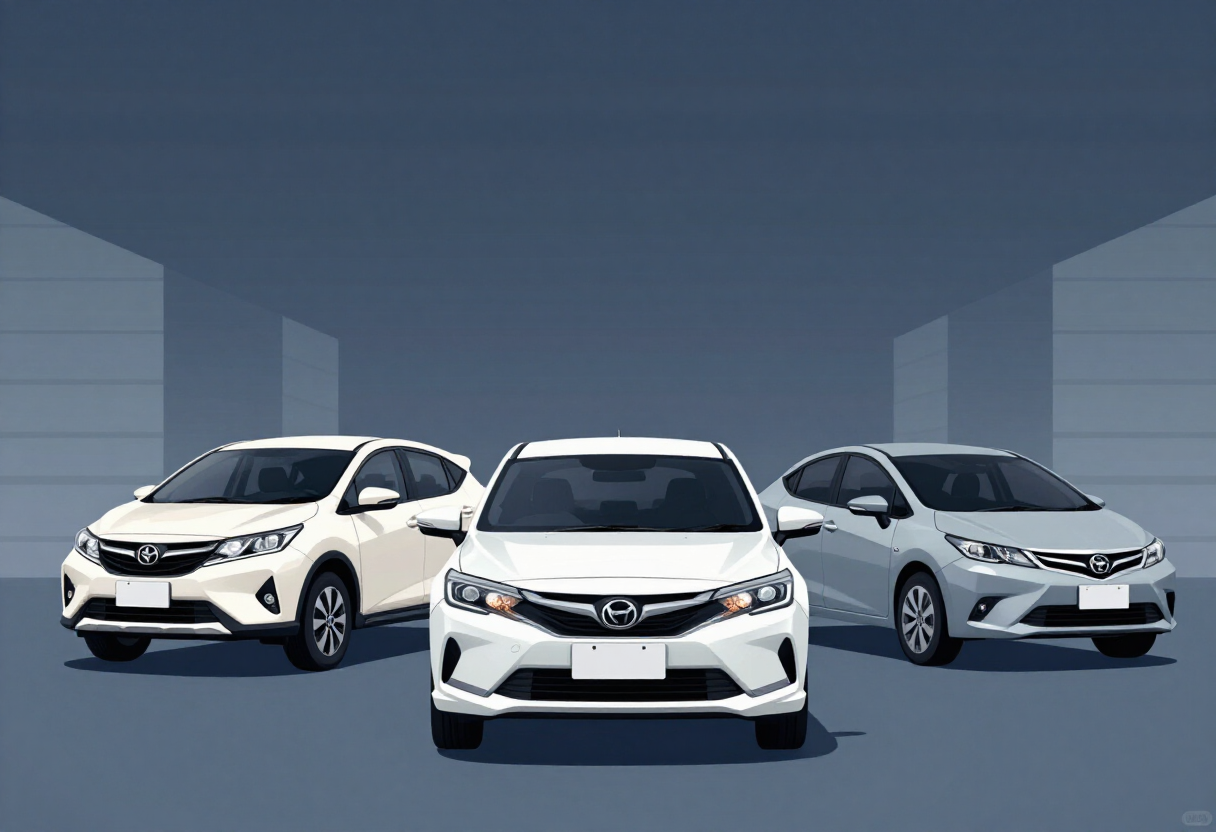
Thailand is weighing a three-tier tax structure for electric vehicles, and early indications suggest the framework could hand Japanese carmakers an advantage in Southeast Asia's second-largest vehicle market.
That is the claim advanced by a report in Thailand's The Nation, which frames the proposed tiered tax scheme as a potential turning point for Japanese incumbents — Toyota, Honda, Mitsubishi, Nissan and Isuzu — who together have built their regional manufacturing base in Thailand over five decades but arrived late to battery-electric production.
The specifics of the three tiers matter, and they are the detail to watch. Thai EV policy to date has leaned on subsidy schemes and import concessions designed to attract new entrants, most visibly Chinese manufacturers such as BYD, Great Wall Motor and MG. A tiered tax structure would mark a different instrument: one that taxes or prices vehicles according to criteria embedded in the tier definitions — whether those tiers are set by localization content, battery sourcing, price band or production location remains the decisive question for who wins and who loses.
For Japanese OEMs, the stakes are straightforward. Thailand serves as their export hub for the region, with combined production capacity measured in millions of units annually across plants in Rayong, Chonburi and the Eastern Economic Corridor. Any tax framework that rewards local manufacturing scale, established supplier networks or phased electrification timelines plays directly to that installed base. Chinese entrants, by contrast, have bet on rapid EV launches supported by imports and newly built local assembly — a strategy that thrives under subsidy regimes but is exposed if the tax code shifts the calculus toward incumbent localization.
A word of caution is warranted. This is a proposal, not enacted policy. The report describes what the plan could do — Japanese carmakers could gain — and that conditional deserves scrutiny. Thai EV policy has moved in stages since 2022, with successive incentive packages, and each round of negotiation with automakers has produced revisions. Until the Thai Finance Ministry and the Excise Department publish the final tier definitions and effective dates, any assessment of who benefits is analytical inference, not confirmed outcome.
Manufacturers themselves have not, in the material available, confirmed their position on the three-tier structure. Treat the framing — Japanese winners, Chinese losers — as an interpretation to test against what follows: the formal cabinet submission, the excise notification, and the response from the Chinese OEMs who have committed billions of baht to Thai assembly plants on the strength of the earlier incentive regime.
The supplier tier adds another layer. Thai EV policy has explicitly tied some incentives to local battery and component production. Japanese Tier 1 suppliers already hold deep local footprints; a tax plan that rewards content thresholds would pull additional investment toward their existing operations rather than toward new entrants scrambling to localize. Whether the tier structure includes such thresholds is among the facts that will determine real-world impact.
What to watch next: the publication of the draft regulation and its tier criteria, the timeline for implementation, and any counter-lobbying from Chinese manufacturers with committed Thai plant investments. If the tiers reward localization and phased transition, expect Japanese OEMs to accelerate hybrid and BEV announcements from their Thai lines. If the tiers instead reward pure battery-electric share regardless of producer, the advantage narrative collapses.
The policy decision, in short, is not yet made. The market reaction will begin the moment it is.
via Google News: Automotive suppliers and Tier-1s (Source)
More from Grace Kim
Show full bio
Staff writer covering industry trends and analytics at Autoplant Brief.
82 articles