ECO-3916 · REV C · effective September 30, 2026
EV Manufacturing TransitionAPPROVEDEngineering notice
Malaysia Positions Itself As Southeast Asia's Next EV Build Hub
A new report casts Malaysia as Southeast Asia's next EV manufacturing hub. The claim hinges on confirmed assembly contracts and supplier localization, not announcements.
Scope of change
- A cleantechnica.com report claims Malaysia is emerging as Southeast Asia's next EV manufacturing hub
- The claim competes with established EV assembly programs in Thailand and battery supply chains in Indonesia
- Verification requires named OEM assembly contracts, stated annual volumes, and production-linked incentives
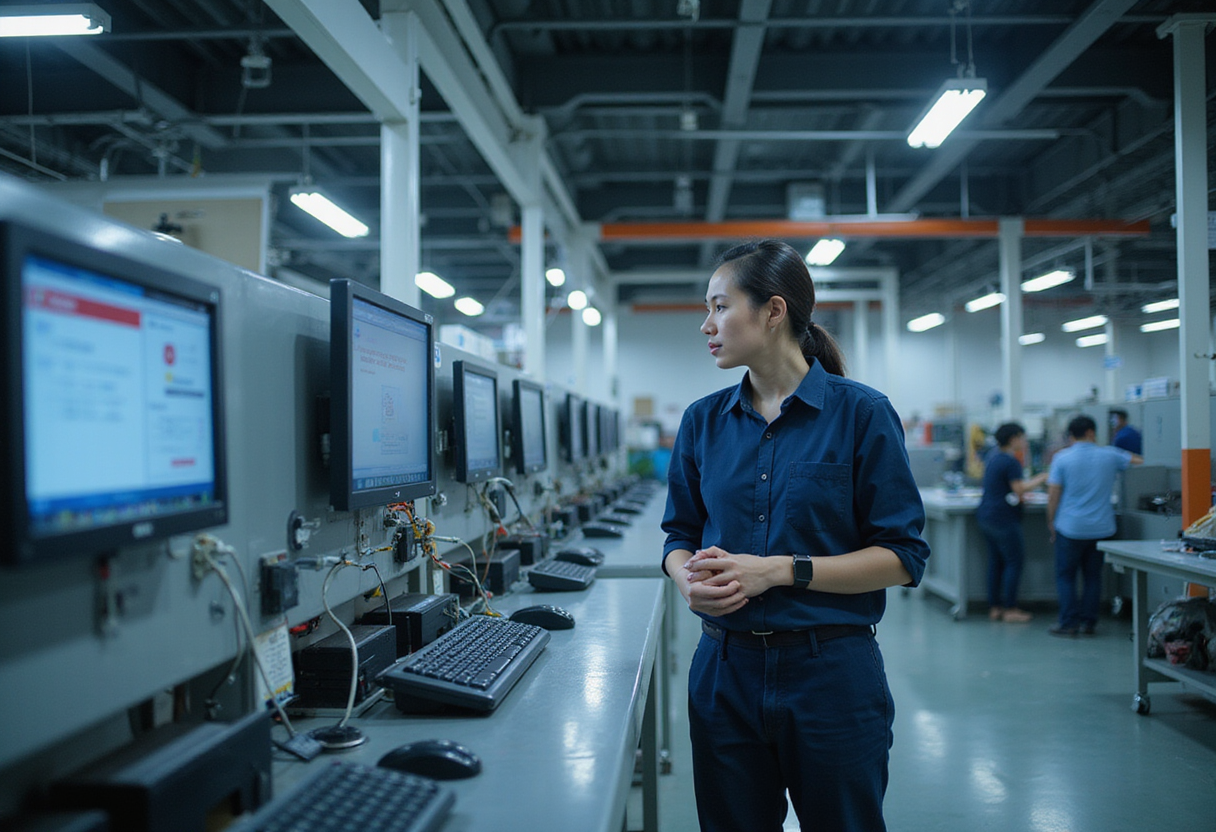
One number will settle the argument over Malaysia's electric vehicle ambitions: how many EVs roll off Malaysian assembly lines per year. As of now, that figure rests on projections and announcements rather than demonstrated output, and the gap between the two is where trade readers should focus.
A report published by cleantechnica.com argues that Malaysia is emerging as Southeast Asia's next EV manufacturing hub. The claim deserves scrutiny, because the region's automotive crown has moved before — and not always toward the loudest bidder. Thailand has spent a decade locking in OEM assembly programs. Indonesia has leveraged its nickel reserves to pull battery supply chains onshore. Malaysia's pitch has to be assessed against those incumbents, plant by plant and program by program.
What would substantiate the hub label? Three things, in descending order of evidentiary weight. First, confirmed assembly contracts with named OEMs and stated annual volumes at specific Malaysian plants. Second, tier-one supplier localization — seat makers, wire harness producers, battery pack assemblers — committing capacity in-country rather than importing from Thai or Indonesian operations. Third, a policy framework with production-linked incentives tied to units built, not merely vehicles sold.
Announcements of investment intent are the weakest signal. Across Southeast Asia, OEMs and suppliers have repeatedly unveiled EV programs that were later scaled back, delayed, or quietly shelved. Malaysia's Proton, operating with Geely as its technology partner, has been the country's most plausible vehicle for electrified volume, and any hub thesis runs through its Tanjong Malim facility and whatever localization follows. But supplier and OEM statements about future capacity are claims to verify against line rates, not commitments to book.
The competitive context matters. Thailand has offered subsidies and tax breaks tied to EV production commitments from Chinese OEMs including BYD and Great Wall Motor. Indonesia has secured battery-material investments anchored on Lippo and Morowali-area processing. Malaysia's differentiators — an established electronics and semiconductor base, a competent tier-two supply chain, and lower labor cost pressure than Singapore — support a hub argument, but only if an OEM anchors real volume there.
So the analytical posture is straightforward. Treat the "next EV manufacturing hub" framing as a thesis, not a finding. The verification checklist: which OEM has committed which model to which Malaysian plant, with what start of production date and what annual unit target. Absent named programs and capacity numbers, the story remains one of positioning.
What to watch next: any formal assembly agreement between a major OEM and a Malaysian plant operator with stated volumes; Proton's electrified model timeline and its localization schedule; and Kuala Lumpur's next incentive package — specifically whether it rewards units produced rather than units registered.
via Google News: EV manufacturing (Source)
More from Marcus Bennett
Show full bio
News editor covering marketplaces and e-commerce at Autoplant Brief.
86 articles