ECO-8956 · REV K · effective September 30, 2026
EV Manufacturing TransitionAPPROVEDEngineering notice
Xpeng acquires 90.1% stake in Erajaya's EV manufacturing arm
Xpeng has acquired 90.1% of Erajaya's EV manufacturing arm, taking control of an Indonesian production entity and leaving the local partner with a 9.9% minority stake.
Scope of change
- Xpeng acquired a 90.1% stake in Erajaya's EV manufacturing arm
- Erajaya retains a 9.9% minority holding in the entity
- The deal gives Xpeng a controlled manufacturing base in Indonesia, Southeast Asia's largest automotive market
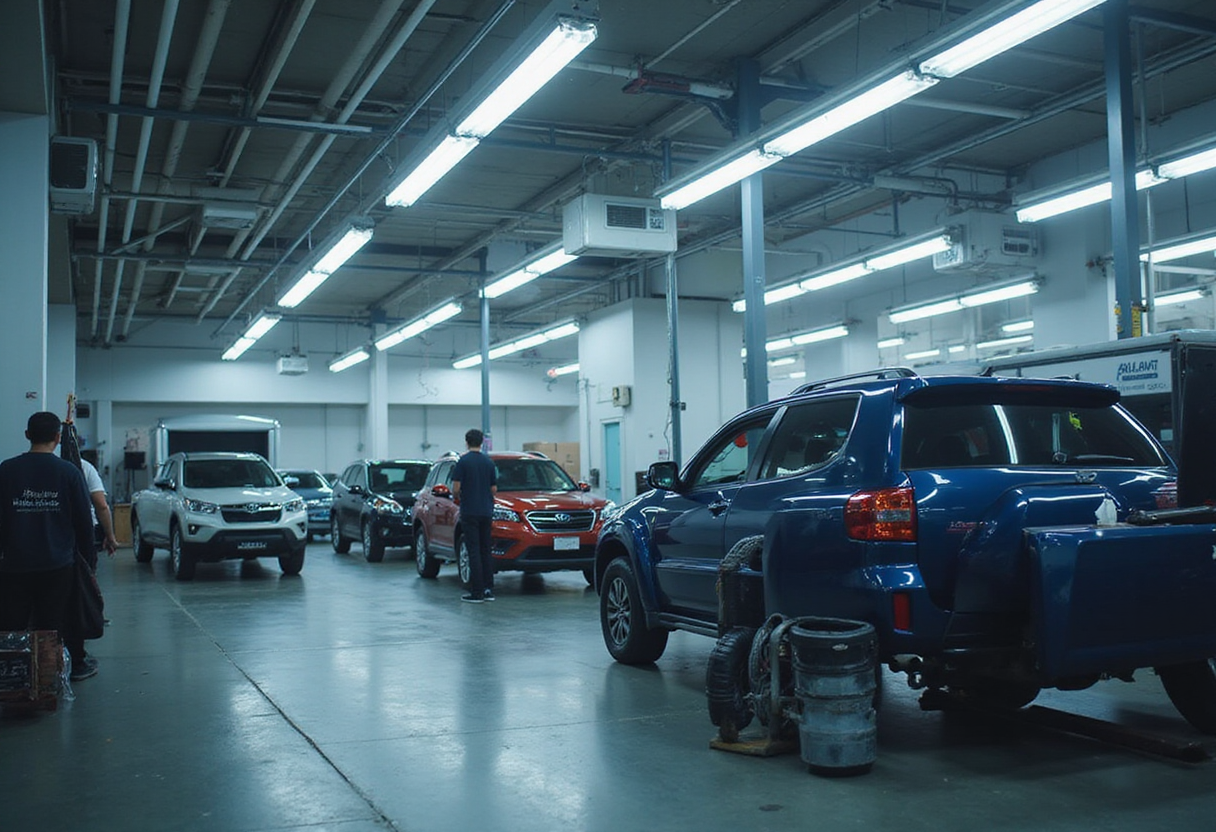
Xpeng now holds 90.1% of the electric vehicle manufacturing arm of Erajaya, the Indonesian technology distribution group, giving the Chinese EV maker control of a production entity in Southeast Asia's largest automotive market.
The stake transfer makes Erajaya's EV manufacturing operation a subsidiary of Xpeng rather than a partner venture. Erajaya retains a minority position of 9.9%. The move signals Xpeng's shift from local distribution partnerships toward direct control of manufacturing capacity outside China.
For Erajaya, the disposal ends its majority ownership of the unit. The company had positioned itself as a local EV player in Indonesia, where the government has pushed electrification targets and offered incentives to manufacturers building vehicles domestically.
The transaction fits a broader pattern among Chinese OEMs expanding into right-hand-drive Southeast Asian markets through acquisitions rather than greenfield plants. Buying an existing manufacturing entity can shorten time-to-market and satisfy local-content rules faster than building capacity from scratch.
Xpeng's motive is straightforward: Indonesia's vehicle market exceeds three million units in annual sales in peak years, and EV penetration there is still in single digits. A controlled local manufacturing base gives Xpeng a route around import duties and a platform for the broader ASEAN region.
Whether the acquired plant can build Xpeng's current models at competitive cost is the open question. Xpeng's vehicles are engineered on 800V platforms with extensive in-house electronics; transferring that production to a facility originally set up under Erajaya's ownership will require tooling, supplier localization and workforce training that the headline stake number does not capture.
The deal also tests Indonesia's industrial policy. Jakarta has tied EV incentives to local assembly and battery supply chain investment, with nickel processing at the center of its strategy. Xpeng's control of an Indonesian manufacturing arm potentially positions it to qualify for those incentives — provided the plant meets local-content thresholds.
What to watch next: Xpeng's first confirmation of which models will be built at the Erajaya facility, the plant's stated annual capacity under new ownership, and any application for Indonesian EV production incentives.
via Google News: EV manufacturing (Source)
More from Marcus Bennett
Show full bio
News editor covering marketplaces and e-commerce at Autoplant Brief.
86 articles
Also circulated
- Malaysia Positions Itself As Southeast Asia's Next EV Build Hub
- EV manufacturing is reshaping demand for Grade A industrial space
- Thai Auto Sector Faces Crisis Without EV Policy Overhaul
- Vietnam Told to Climb Beyond Low-Cost EV Assembly
- JATCO to build UK plant supplying EV powertrains to Nissan Sunderland