ECO-2974 · REV Y · effective October 9, 2026
EV Manufacturing TransitionAPPROVEDEngineering notice
Stellantis, Leapmotor to build EVs at Madrid and Zaragoza from 2028
Stellantis and Leapmotor will start joint EV production at two Spanish plants in 2028, expanding a distribution partnership into manufacturing as the Chinese EV maker looks to sidestep EU countervailing duties on imports from China.
Scope of change
- Production to start in 2028 at Stellantis' Madrid plant, with potential ownership transfer to Leapmotor International joint venture.
- Zaragoza plant will build Leapmotor B10 SUV alongside a new jointly developed Opel C-SUV.
- Opel said the new C-SUV was completed in under two years and is the first product of the expanded partnership.
- Stellantis CEO Antonio Filosa's business plan presentation is scheduled for May 21, 13 days after the May 8 announcement.
- EU countervailing duties on China-made EVs cited by Leapmotor as the driver for localizing production inside Spain.
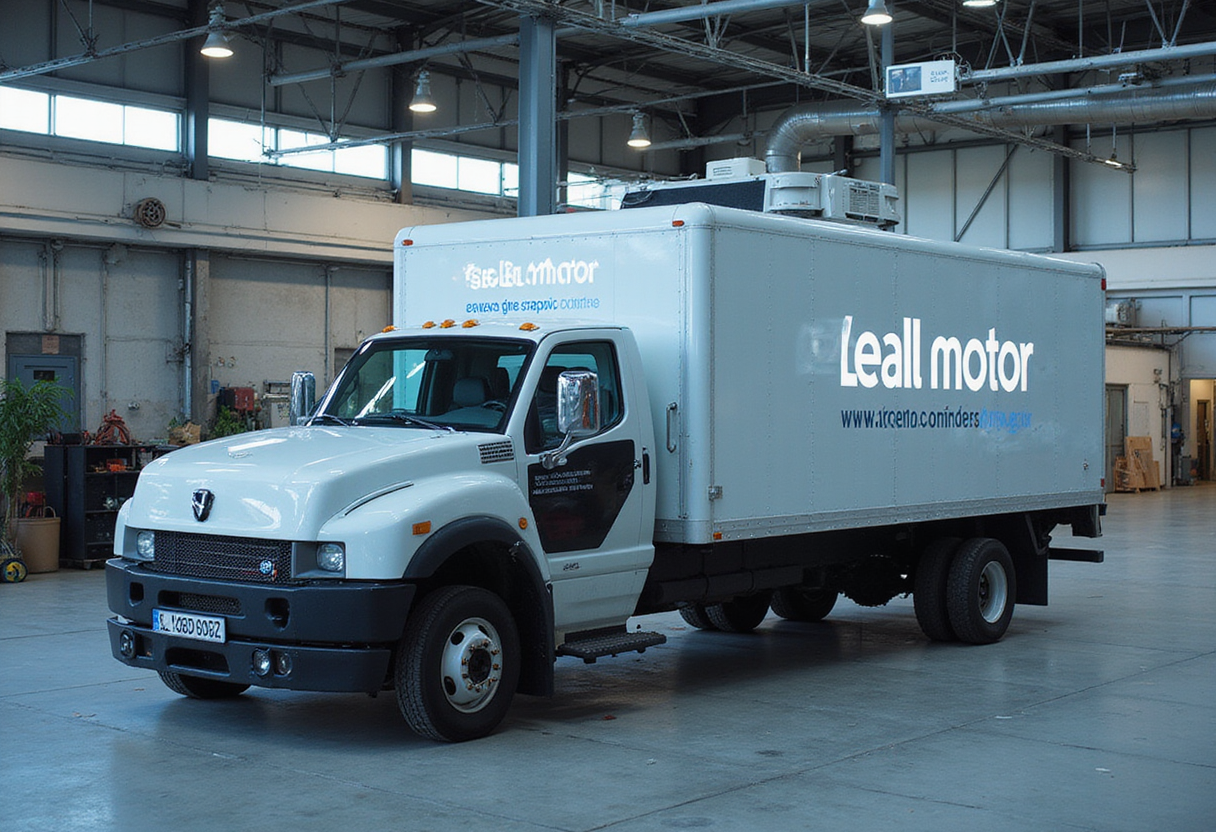
Stellantis and Leapmotor will start joint EV production at two Spanish plants beginning in 2028, expanding a partnership that until now covered only distribution outside China, the automaker announced May 8.
The plan assigns new Leapmotor models to Stellantis' Madrid plant starting in 2028, with site ownership potentially transferring to Leapmotor International, the joint venture the two companies formed to handle Leapmotor's overseas business. At the Zaragoza plant, the partners will build Leapmotor's B10 electric SUV alongside a new battery-electric C-segment SUV wearing Opel badging.
What changes at the two Spanish plants?
Stellantis framed the move as a way to put underused European capacity back to work while Leapmotor shifts output to reduce exposure to EU tariffs on Chinese-built EVs. The automaker said localized production would support more affordable EV pricing.
Opel said the jointly developed C-SUV, completed in under two years, will be the first product of the expanded partnership. The B10 SUV adds a second model to the same Spanish line.
How will the joint venture change?
Leapmotor International, the joint venture the two companies run to handle Leapmotor's overseas business, will take on a manufacturing role under the new arrangement. The entity already oversees distribution; the Madrid ownership transfer would add plant responsibility to that mandate.
How does this fit Stellantis' broader plan?
The announcement lands 13 days before Stellantis CEO Antonio Filosa presents a new business plan on May 21. Stellantis has named regaining market share in North America and Europe and lifting factory utilization among the stated priorities.
Slotting Leapmotor volume into idling Spanish lines offers a concrete answer on the utilization question, though Stellantis did not disclose unit-capacity allocations for either site.
The partners will coordinate parts purchasing through Leapmotor International to extract scale economies and shorten development cycles. Stellantis said the arrangement will pair China's New Energy Vehicle supply base with European manufacturing capacity to compress launch timelines.
Stellantis is working to recover market share in Europe, where pricing pressure from Chinese EV imports and uneven EV demand have weighed on retail positioning. Bringing Leapmotor volume to Spain offers a way to lift factory utilization on existing lines.
What is the tariff play?
EU countervailing duties on China-made EVs remain the structural pressure point behind the move. By building inside Spain, Leapmotor models can reach European buyers without falling under the current duty regime applied to Chinese imports.
Stellantis, in turn, gains access to a low-cost Chinese EV technology stack through a partner brand rather than a Stellantis badge. The C-SUV will slot into Opel's European lineup.
What to watch
- May 21: Stellantis CEO Antonio Filosa's business plan presentation, where unit allocations for Madrid and Zaragoza should appear.
- 2028: First Leapmotor-built vehicles roll from the Madrid plant. Zaragoza timing for the B10 and Opel C-SUV has not been disclosed.
- Tariff tracking: any EU change to countervailing duties on China-built EVs that would alter the cost logic behind localization.
- Platform disclosure: confirmation of which architecture underpins the new Opel C-SUV and subsequent Leapmotor models.
via d9s1543upwp3n.cloudfront.net (Original)
More from Sophie Lindqvist
Show full bio
Correspondent covering business strategy at Autoplant Brief.
167 articles
Also circulated
- Stellantis and Leapmotor deepen alliance with dual-plant European manufacturing strategy
- Madrid Backs SAIC EV Plant, Betting on Chinese Investment for Spanish Electrification
- Geely and Ford Join Forces to Restart Spanish Auto Plant
- Renault Commits €600 Million to Spanish Plants by 2030
- SAIC Targets Spain for Its First European EV Assembly Plant