ECO-3684 · REV I · effective September 26, 2026
EV Manufacturing TransitionAPPROVEDEngineering notice
Renault Commits €600 Million to Spanish Plants by 2030
Renault will invest €600 million by 2030 to modernize Valladolid and Palencia, adding five models including two EVs plus a battery assembly line.
Scope of change
- Renault commits €600 million by 2030 to modernize its Valladolid and Palencia plants in Spain
- Five new models, including two battery-electric vehicles, will be produced across the two sites
- A battery assembly line will be established at the Valladolid plant
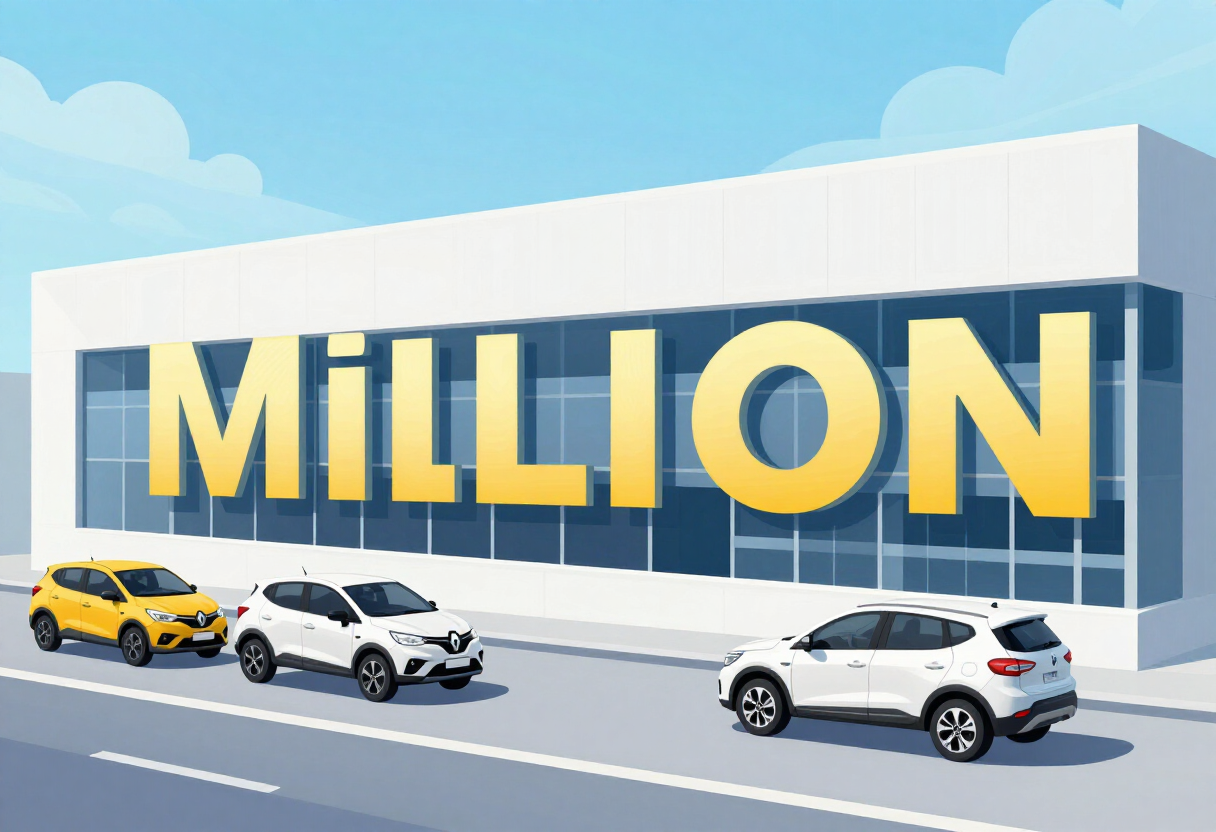
Renault has announced a €600 million investment to modernize its two Spanish production sites, Valladolid and Palencia, by 2030. The figure is the hardest number in the announcement, and it anchors the French OEM's next production cycle in Spain rather than shifting volume elsewhere in its European footprint.
The plan, announced by the automaker and presented by Christian Stein, Renault's Spain chief, calls for five new models to be produced across the two plants. Two of those five will be battery-electric vehicles. The remaining three were not specified as EVs in the announcement, a mix that signals Spain remains a multi-powertrain base for Renault rather than a dedicated EV hub.
Valladolid will take on an additional role beyond vehicle assembly. Renault plans to establish a battery assembly line at the site, which would place a portion of the electrification value chain — pack assembly, at minimum — inside the same factory complex that builds the vehicles. That detail matters for Spain's supplier base: localized battery assembly typically pulls tier-one battery and component suppliers toward the plant region.
What is confirmed versus what is intended
The €600 million figure and the 2030 horizon are stated commitments from Renault. The five-model program and the two EVs are announced production intentions; neither nameplate, launch timing, nor annual volume targets were disclosed in the announcement. Capacity figures for Valladolid and Palencia under the new program remain unpublished. Readers tracking the program should treat model assignments and volumes as claims to verify against future production data — as with any OEM investment announcement made years ahead of start of production.
The battery assembly line in Valladolid is likewise a stated plan. Whether it assembles packs from imported cells or draws on cells produced elsewhere in Renault's European supply network was not specified. That distinction will shape how much of the investment translates into Spanish supplier contracts.
Why the timing matters
A 2030 end date puts the full program squarely inside the window in which European OEMs must meet tightening CO2 fleet targets and, from 2027, the EU-UK rules-of-origin thresholds that require battery content sourced within the trading bloc. An OEM investing in in-plant battery assembly and two EV nameplates at Iberian sites is positioning those plants to serve that regulatory demand.
Spain is also Europe's second-largest vehicle producer, and Renault's Valladolid and Palencia complexes have long been volume pillars in the company's European network. Committing €600 million through 2030 — rather than closing or downsizing — sends a signal about the longevity of both sites, with implications for the thousands of workers on their payrolls and the regional supplier tiers around Valladolid and Palencia in Castilla y León.
Stein, who heads Renault's Spanish operations, presented the plan. No breakdown of the €600 million between the two plants, or between vehicle programs and the battery line, was made public.
What to watch next
The first markers to track: the reveal of which five models land at Valladolid and Palencia, and in what order; the start-of-production date for the first of the two EVs; and any announcement naming the supplier partner for the Valladolid battery assembly line. Capacity milestones — units per year at each site once the program ramps — will confirm whether the €600 million preserves current output levels or expands them.
via prensa.renaultgroup.es (Original)
More from Grace Kim
Show full bio
Staff writer covering industry trends and analytics at Autoplant Brief.
82 articles
Also circulated
- Madrid Backs SAIC EV Plant, Betting on Chinese Investment for Spanish Electrification
- MG Targets Spain for New EV Manufacturing Plant
- SAIC Motor Commits $232 Million to New Auto Plant in Spain
- SAIC Targets Spain for Its First European EV Assembly Plant
- Geely and Ford Join Forces to Restart Spanish Auto Plant