ECO-2970 · REV A · effective September 26, 2026
EV Manufacturing TransitionAPPROVEDEngineering notice
Toshiba to Close Houston Hybrid Vehicle Plant, Cutting 67 Jobs
Toshiba will close its Houston hybrid electric vehicle component plant and lay off 67 workers, adding to the Japanese supplier's North American retrenchment.
Scope of change
- Toshiba is closing its Houston hybrid electric vehicle plant
- 67 workers will be laid off
- Production timeline and relocation plans have not been disclosed
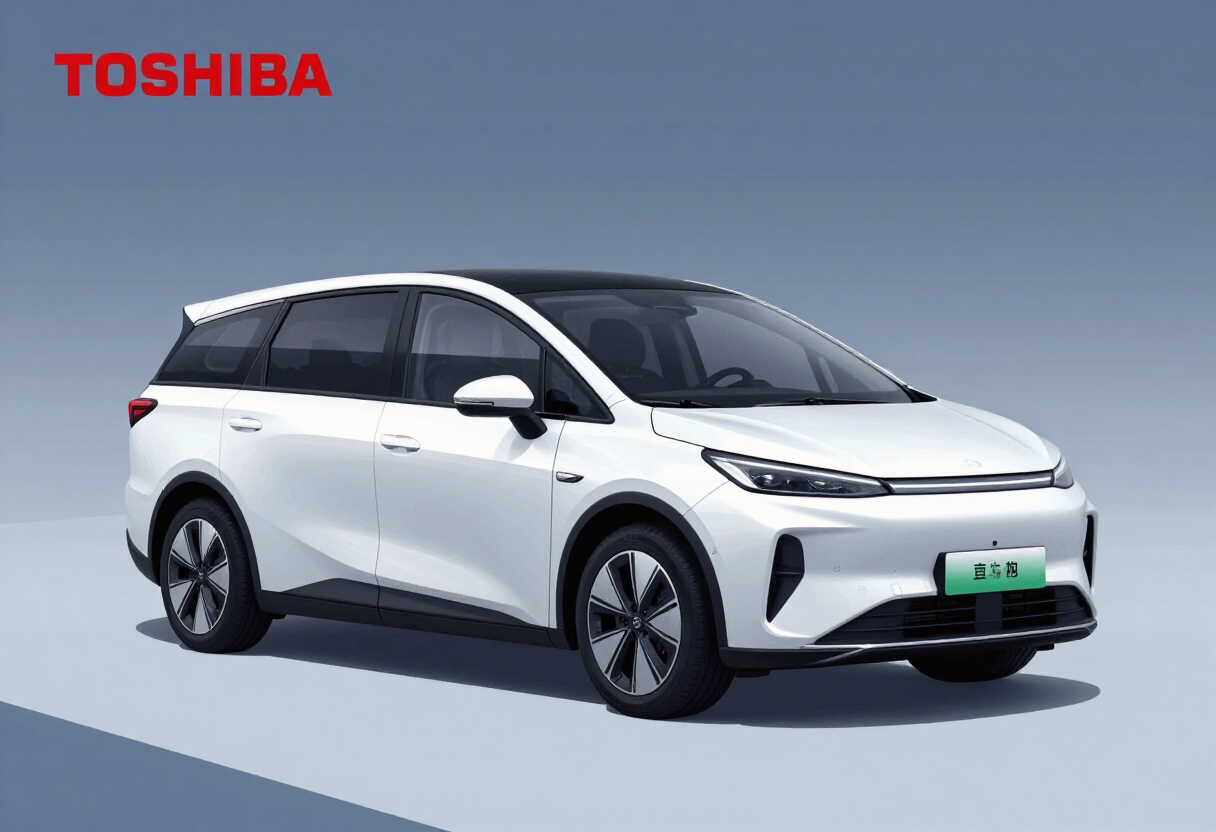
Toshiba will shut its Houston hybrid electric vehicle plant and lay off 67 workers, The Business Journals reported, marking another contraction in the Japanese conglomerate's North American manufacturing footprint.
The closure removes a supplier-side production site from the Houston industrial base at a moment when electrified powertrain capacity across North America is being repositioned. Toshiba has not yet publicly detailed the timeline for winding down production or stated whether the Houston plant's output will shift to another facility.
Details in the initial report remain thin. What is confirmed: the plant produces components for hybrid electric vehicles, it operates in Houston, and 67 positions are affected by the layoff action.
For a Tier 1 electronics and powertrain-component supplier of Toshiba's scale, a single-plant closure with fewer than 100 workers affected suggests a targeted exit rather than a broad restructuring. Supplier announcements of this kind, however, warrant verification against actual production volumes and customer contracts — neither of which Toshiba has disclosed so far. Whether the Houston site served a specific OEM program, and whether that program is ending or resourcing to another supplier or region, is the central unanswered question.
The layoff count of 67 indicates a mid-sized operation rather than a high-volume plant. Hybrid component production — typically power electronics, inverters, or drive units rather than battery cells — often runs in facilities of this size, supplying assembly programs through direct OEM contracts or through Tier 1 integrators.
Toshiba has spent recent years streamlining its portfolio after the accounting scandal and takeover that reshaped the company, divesting non-core businesses and consolidating manufacturing. The Houston closure fits that pattern, though the company has not publicly framed it as part of a specific restructuring program.
The timing matters for the broader supply base. Hybrid sales in the U.S. have grown steadily as automakers slowed some battery-elective programs and leaned on electrified internal-combustion powertrains to meet emissions rules. A supplier exiting hybrid component production in that environment signals either a product-line divestment, a lost customer contract, or a shift of production to lower-cost regions — each with different implications for the North American supply chain.
Houston economic development officials will feel the loss modestly in absolute terms. The metro area hosts substantial advanced manufacturing across energy, aerospace and petrochemicals, and 67 jobs represent a small fraction of that base. But supplier attrition compounds: each closure narrows the regional talent pool and supplier network that OEM sourcing decisions depend on.
What to watch next: the official WARN filing or state notice, which will pin down the layoff date and job categories; any Toshiba statement on where the Houston plant's production volume lands; and whether the closure precedes a broader divestment of the company's automotive power electronics business.
via Google News: EV manufacturing (Source)
More from Sophie Lindqvist
Show full bio
Correspondent covering business strategy at Autoplant Brief.
97 articles
Also circulated
- Automotive News Launches Tracker of Supplier Layoffs and Closures
- Tsuyo Wins Clearance for 20-Acre EV Powertrain Plant in India
- GM Idles 1,300 Workers at Factory ZERO in Four-Week EV Output Cut
- Tsuyo Manufacturing Signs LOI for Karnataka EV Powertrain Plant
- Mercedes-Benz Weighs Closing Two German Plants Over Costs