ECO-8184 · REV S · effective November 16, 2026
Suppliers & Tier-1sAPPROVEDEngineering notice
Samsung SDI Lands Multi-Trillion-Won LFP Deal With Jupiter Power, Total Hits 27 GWh
Samsung SDI will supply Jupiter Power 16 GWh of US-made LFP cells from 2029, lifting cumulative orders to 27 GWh. The Indiana JV with Stellantis makes it the only non-Chinese prismatic ESS producer.
Scope of change
- 16 GWh LFP supply contract with Jupiter Power runs three years from 2029; value undisclosed, estimated in trillions of won
- Cumulative Samsung SDI LFP orders from Jupiter Power reach about 27 GWh including an earlier 11 GWh deal
- Cells come from StarPlus Energy in Indiana, a JV with Stellantis; LFP mass production began in early October after EV-to-ESS line conversion
- Q3 revenue of 4.6856 trillion won, up 52.6 percent; operating profit 407.8 billion won, best since Q3 2023
- Company reports over 60 GWh of ESS orders through October, enough to fill Indiana and Ulsan capacity through 2028
Samsung SDI's US unit has signed a deal to supply Jupiter Power with 16 GWh of lithium iron phosphate batteries over three years starting in 2029. The company disclosed the contract on December 16. It did not disclose the value. Samsung SDI estimates the deal runs into the trillions of won.
The new contract stacks on top of an earlier 11 GWh supply agreement with the same customer. Combined, Samsung SDI's cumulative LFP orders from Jupiter Power now stand at roughly 27 GWh. A company official said the previous 11 GWh deal was worth around a trillion won, and the full 27 GWh across both contracts reaches multi-trillion-won scale. Both figures are company estimates, not audited numbers.
Jupiter Power is a New York-based energy company owned by BlackRock, the world's largest asset manager. It holds one of the largest ESS project development pipelines in the United States. Every battery destined for Jupiter Power's large-scale US projects will come from US production sites.
Where will the cells come from?
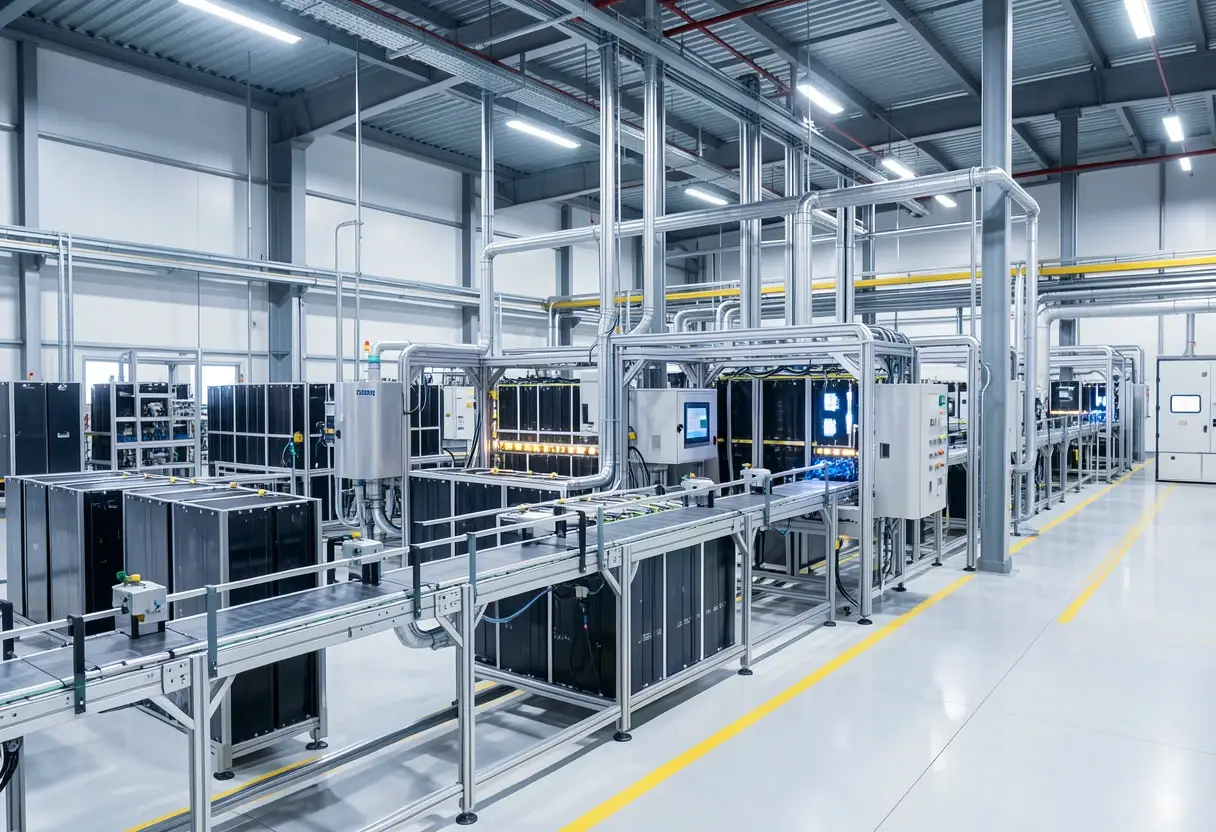
The LFP batteries will be produced at the StarPlus Energy plant in Indiana. StarPlus Energy is a joint venture between Samsung SDI and Stellantis.
The plant's utilization had sagged with weakening EV demand. Samsung SDI converted part of the lines from EV cells to ESS cells and began LFP mass production in early October. Roughly one month into LFP output, the company landed this large-volume order.
US policy sharpened the opening. Washington raised tariffs on Chinese ESS batteries this year and restricted Chinese materials and components in tax-credit requirements. Samsung SDI positions itself as the only non-Chinese maker of prismatic ESS cells in mass production in North America. On the cathode side, it has LFP material supply contracts with Korean firms L&F and POSCO Future M, cutting Chinese material dependence. A Samsung SDI official said local energy companies trust the company as the sole non-Chinese prismatic ESS producer with a de-China-fied materials chain.
Fabrice Houdry, vice president and head of the ESS team at Samsung SDI America, said the deal validates the competitiveness and supply capability of US-made prismatic LFP batteries. He said the company will keep targeting the global ESS market with differentiated prismatic technology and a stable supply chain.
Jupiter Power CEO Andy Bowman said securing reliable US-made equipment is core to the company's project planning and risk management. He said Samsung SDI's US-produced LFP batteries will strengthen supply chain competitiveness and support stable power delivery.
How fast is the order book growing?
- December last year: a contract worth over 2 trillion won with a US energy infrastructure developer, supplying ESS LFP cells for three years from 2027.
- March this year: a 1.5 trillion won deal with a major US energy company, supplying NCA and LFP cells for four years from 2029.
- October 26: a 1 GWh NCA-based ESS contract with Alpha Omega Power, taking cumulative contracts with that customer to 1.5 GWh; delivery is due within the year from the Indiana plant.
An industry official said the order shows Samsung SDI's strategy of US production and a non-Chinese supply chain is starting to pay off against Chinese price competition, and that long-term supply deals position it for further wins and share gains.
What about the financials?
Third-quarter results turned profitable year on year. Revenue hit 4.6856 trillion won, up 52.6 percent. Operating profit reached 407.8 billion won, doubling from the previous quarter and the best since Q3 2023.
On its earnings call, Samsung SDI said renewables expansion, aging grid replacement and surging AI data-center power demand are pushing ESS contracts larger and longer. It said Q4 revenue should grow sharply versus Q3, with the first LFP line at StarPlus now in mass production and NCA volumes expanding.
The company said in November it had booked over 60 GWh of ESS battery orders through October — enough to run the Indiana plant and its Ulsan lines at full capacity through 2028. That is a stated intention. DB Securities projects Q4 revenue growth above 50 percent and ESS shipments roughly doubling from 17 GWh in 2026 to 35 GWh in 2027 on higher NCA utilization and year-end LFP shipments.
Watch for LG Energy Solution's entry: it plans LFP prismatic ESS mass production at its Lansing, Michigan plant by late next year, which would end Samsung SDI's sole-producer claim in North America.
via news.jkn.co.kr (Source)
More from Amara Osei
Show full bio
Market editor covering technology and product news in Automotive manufacturing and vehicle production at Autoplant Brief.
326 articles
Also circulated
- Samsung SDI Pivots to ESS as EV Battery Drag Persists
- Posco Future M signs US$4.5bn LFP cathode master deal with Samsung SDI
- Samsung SDI and Hyundai Go Beyond Supply: Nine Solid-State Patents, 2027 Target
- Gotion targets 400 Wh/kg for Jinshi solid-state cells
- BMW Adds LGES and Samsung SDI as Cell Suppliers for Gen6 Batteries