ECO-5664 · REV K · effective November 11, 2026
EV Manufacturing TransitionAPPROVEDEngineering notice
Samsung SDI and Hyundai Go Beyond Supply: Nine Solid-State Patents, 2027 Target
Samsung SDI and Hyundai-Kia hold nine joint solid-state patents, a shared pack design and a 2027 commercialization target. The supply deal has become an engineering partnership.
Scope of change
- 9 joint solid-state battery patent filings 2022–2025, 2 registered; Samsung SDI lead on 7, Hyundai on 2
- Solid-state commercialization target: second half of 2027, stated on Samsung SDI's Jan 29 earnings call
- October 2023 supply deal: Hungary-made prismatic cells for European Hyundai/Kia EVs, 2025–2032
- Humanoid cell and pack samples under customer evaluation since September
- Atlas humanoid battery fitment undecided
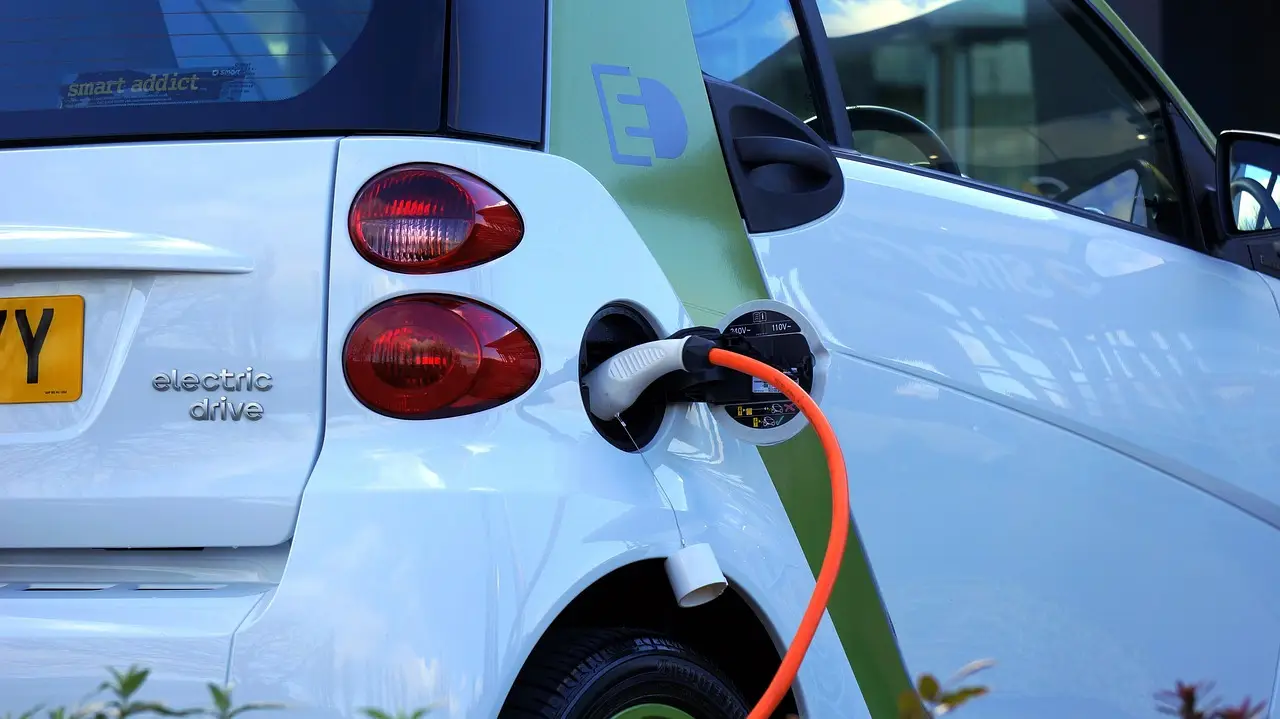
Nine joint solid-state battery patent filings — two of them registered — now sit at the center of a Hyundai Motor Group–Samsung SDI partnership that has quietly outgrown a supply contract and moved into co-design and manufacturing process territory. Samsung SDI says it wants solid-state batteries commercialized in the second half of 2027, and it said so on the record: the target was confirmed on its January 29 earnings call.
From cell deliveries to pack design
The two companies filed a joint patent, published last month on the 22nd, titled "battery pack and vehicle including the battery pack." The filing covers a structure that vents hot gas outside the pack during thermal runaway — a vent at the bottom of the cell, a gas channel in the pack's lower cover.
The trick is consolidation. Older designs needed separate spaces for gas venting and for impact protection; the patented design merges the two functions, freeing up internal pack volume. Development centered on the prismatic cells that are Samsung SDI's mainstay. Five Hyundai and Kia researchers and two Samsung SDI researchers are named as inventors.
That's a shift worth noting. Samsung SDI signed its first EV battery supply deal with Hyundai in October 2023 — prismatic cells from its Hungary plant, feeding Hyundai and Kia EVs sold in Europe from this year through 2032. The pack patent shows the relationship now reaches into design work on the component that actually goes into the vehicle. Takeaway: delivery contract first, engineering partnership second.
What's in the nine filings?
The joint solid-state patent record, filed between 2022 and 2025 and counting divisional applications, breaks down as follows:
- 9 joint applications in total, 2 registered as patents;
- 7 with Samsung SDI as lead applicant, 2 with Hyundai as lead;
- early work targeted sulfide-based solid electrolytes, which degrade on contact with airborne moisture and can emit toxic gas — the pair developed coatings using oxides, phosphides and alkoxides;
- later filings moved to production: hot isostatic pressing equipment with precise internal temperature measurement, plus cell preheating before transfer.
The arc is easy to read. Materials research first, then lifespan and process engineering. That second phase — equipment-level filings for high-temperature, high-pressure cell treatment — is the tell that both sides are thinking about actual mass production, not lab chemistry. In plain terms: they've moved from inventing the battery to inventing the factory that makes it.
2027, humanoids and an undecided Atlas
On the earnings call, Samsung SDI confirmed the second-half 2027 commercialization target for solid-state batteries and disclosed multiple humanoid robot customer projects. Since September last year, it has supplied solid-state cell and pack samples for humanoid applications, now under customer performance evaluation.
The product roadmap is two-track: prismatic solid-state cells for EVs, plus pouch-type cells aimed at "physical AI" — robots, aviation systems and next-generation wearables, where the technology's longer runtime per charge and lower fire risk carry weight.
The relationship got a showcase on the 9th, when Samsung Electronics hosted "HMG Appreciation Day" at its Seocheon retreat in Yongin, Gyeonggi Province, for 177 Hyundai Motor Group executives, managers and spouses. Solid-state batteries and cell, pack and module hardware were on display. Hyundai Motor Group Vice Chairman Jang Jae-hoon said the group would widen cooperation beyond displays, audio and batteries into robots, energy and other future industries.
One question stays open: whether the co-developed battery will go into Hyundai's Atlas humanoid. That decision, per the source, hasn't been made.
Watch the calendar, not the press releases. The milestones that matter are customer verdicts on those humanoid samples, any registration of the remaining seven filings, and whether the second half of 2027 survives contact with pilot-line reality.
via news.jkn.co.kr (Source)
More from Daniel Okafor
Show full bio
Senior reporter covering regulation, policy and their impact on Automotive manufacturing and vehicle production at Autoplant Brief.
330 articles
Also circulated
- Hyundai, Kia and LGES test second-life EV batteries as charging buffers
- BMW Adds LGES and Samsung SDI as Cell Suppliers for Gen6 Batteries
- Xiaomi Registers New Subsidiary for EV Battery Powertrain Production
- LG Energy Solution preps unannounced 46100 cells for Mercedes
- LGES to supply 46-series cells to IndiGOtech for 2027-2030