ECO-9908 · REV Y · effective September 30, 2026
Vehicle Plants & ProductionAPPROVEDEngineering notice
Rivian Lifts Georgia Plant Target to 300,000 Units
Rivian lifts Georgia plant capacity target to 300,000 units and restructures its DOE loan to $4.5B, with R2 and Uber robotaxi production set for late 2028.
Scope of change
- Rivian raised planned annual capacity at Stanton Springs North, Georgia, to 300,000 vehicles, up 50% from the original 200,000-unit target
- Restructured DOE loan valued at up to $4.5 billion — roughly $4.0 billion principal plus nearly $500 million capitalized interest — down from the $6.6 billion conditional approval of November 2024
- Vertical construction starts in 2026, loan access expected by early 2027, and R2 and Uber robotaxi production (up to 50,000 robotaxis annually) slated for late 2028
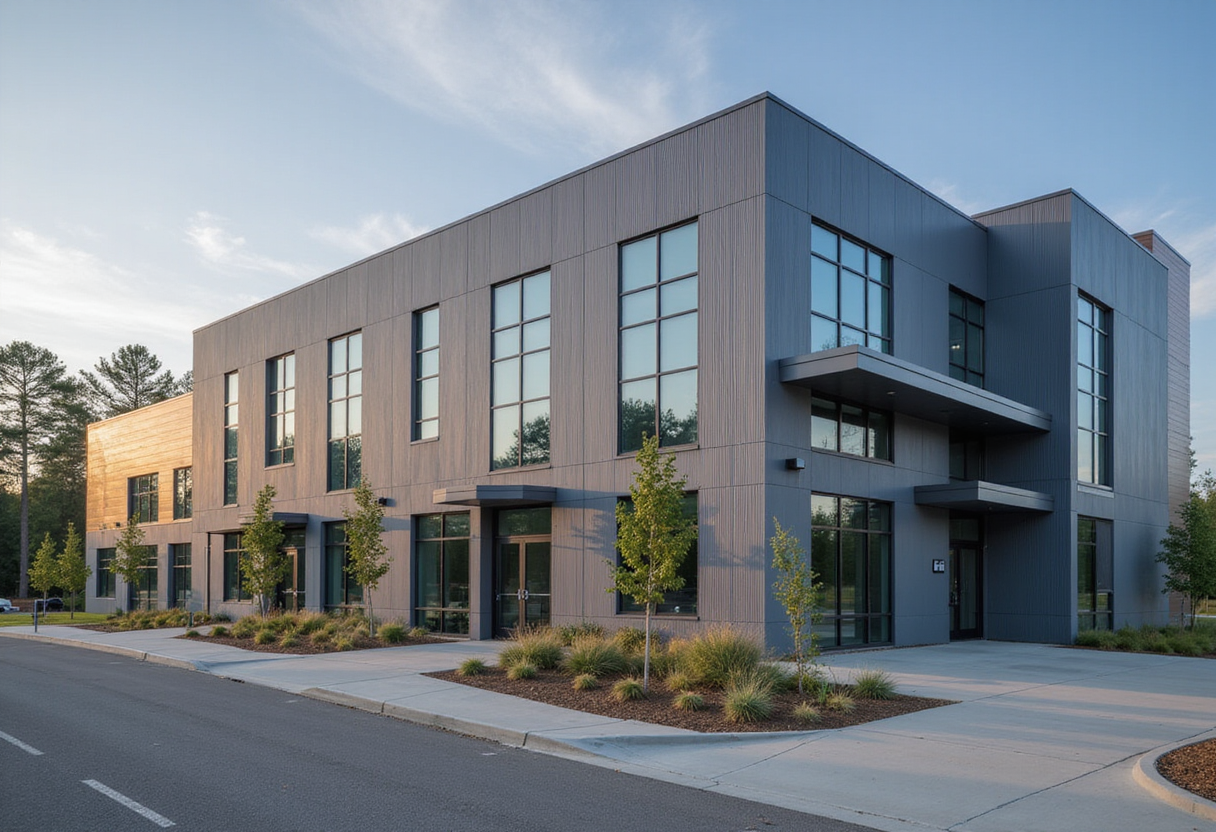
Rivian has raised the planned annual capacity of its Stanton Springs North plant in Georgia to 300,000 vehicles — a 50 percent increase over the original 200,000-unit target — as the company restructures federal financing around its next-generation R2 platform.
The revised DOE loan package is worth up to $4.5 billion, down from the $6.6 billion conditional approval Rivian received in November 2024. The restructured deal includes roughly $4.0 billion in principal and nearly $500 million in capitalized interest. Rivian is negotiating the revision through the DOE's Office of Energy Dominance Financing, and the loan structure now matches the updated factory design and production roadmap.
Construction and timeline
Vertical construction at the Georgia site is scheduled to begin in 2026. Rivian expects to draw on the DOE loan by early 2027 and remains on track to start vehicle production in late 2028.
Early construction will focus on core infrastructure, starting with the stamping press area — one of the most complex and capital-intensive parts of any assembly plant. Activity will accelerate as the main production buildings take shape later in the build phase.
The capacity increase from 200,000 to 300,000 units is an announced intention at this stage, not a confirmed build-out. No production data exists yet for a plant that has not broken vertical ground. The company says the higher volume target should cut per-unit costs through scale and leaves room for further expansion in later phases.
What the plant will build
Stanton Springs North carries Rivian's volume strategy. The R2 lineup, positioned below the premium R1 series, targets a broader market segment and is widely viewed as the make-or-break program for the brand's scale ambitions.
The plant also has a second mission. Rivian has partnered with Uber to build a new generation of autonomous vehicles, with the Georgia facility expected to produce up to 50,000 robotaxis annually. That production is also slated to start in late 2028, running alongside consumer R2 output.
Federal money, Georgia jobs
The DOE loan is designed to strengthen domestic EV manufacturing and support construction and long-term employment in Georgia. The financing terms track Rivian's revised factory footprint rather than the original plan that secured the 2024 conditional approval — a smaller loan tied to a larger capacity number, which signals both a leaner plant design and a bet on higher throughput.
The revision also lands in a shifting policy environment. The Office of Energy Dominance Financing, which now administers the deal, replaced the loan program office structure that issued the original approval, and the reduced principal reflects renegotiated terms under that new arrangement.
What to watch
Three milestones will test whether the 300,000-unit plan holds. First, the start of vertical construction in 2026 — specifically whether the stamping press installation stays on schedule, since that long-lead equipment usually dictates the overall timeline. Second, loan access in early 2027, which confirms the federal financing is final rather than conditional. Third, the late-2028 production start for both R2 consumer vehicles and Uber robotaxis, where any slip would compress the window for R2 volume ramp and the Uber deployment program.
via electriccarsreport.com (Original)
More from Sophie Lindqvist
Show full bio
Correspondent covering business strategy at Autoplant Brief.
97 articles
Also circulated
- Rivian Releases New Renderings of SOM-Designed Georgia EV Plant
- Rivian Sketches Museum, Cabins and Test Track for Georgia Plant
- Rivian Asks Illinois to Cut Its Normal EV Plant Valuation to $115 Million
- Rivian Taps Redwood for 10 MWh Second-Life Battery Storage at Normal Plant
- GM Commits $830M to Midwest Powertrain Plants for Next-Gen Trucks