ECO-3862 · REV G · effective September 30, 2026
Vehicle Plants & ProductionAPPROVEDEngineering notice
Rivian Taps Redwood for 10 MWh Second-Life Battery Storage at Normal Plant
Rivian and Redwood Materials will deploy 10 MWh of battery storage at the Normal, Illinois EV plant using 100+ second-life Rivian packs to cut peak grid load.
Scope of change
- System capacity: initially 10 MWh of dispatchable energy at Rivian's Normal, Illinois plant
- Built from more than 100 second-life Rivian battery packs integrated via Redwood Energy and Pack Manager technology
- No commissioning date, investment value, or share of plant demand disclosed; capacity figure is a stated design target
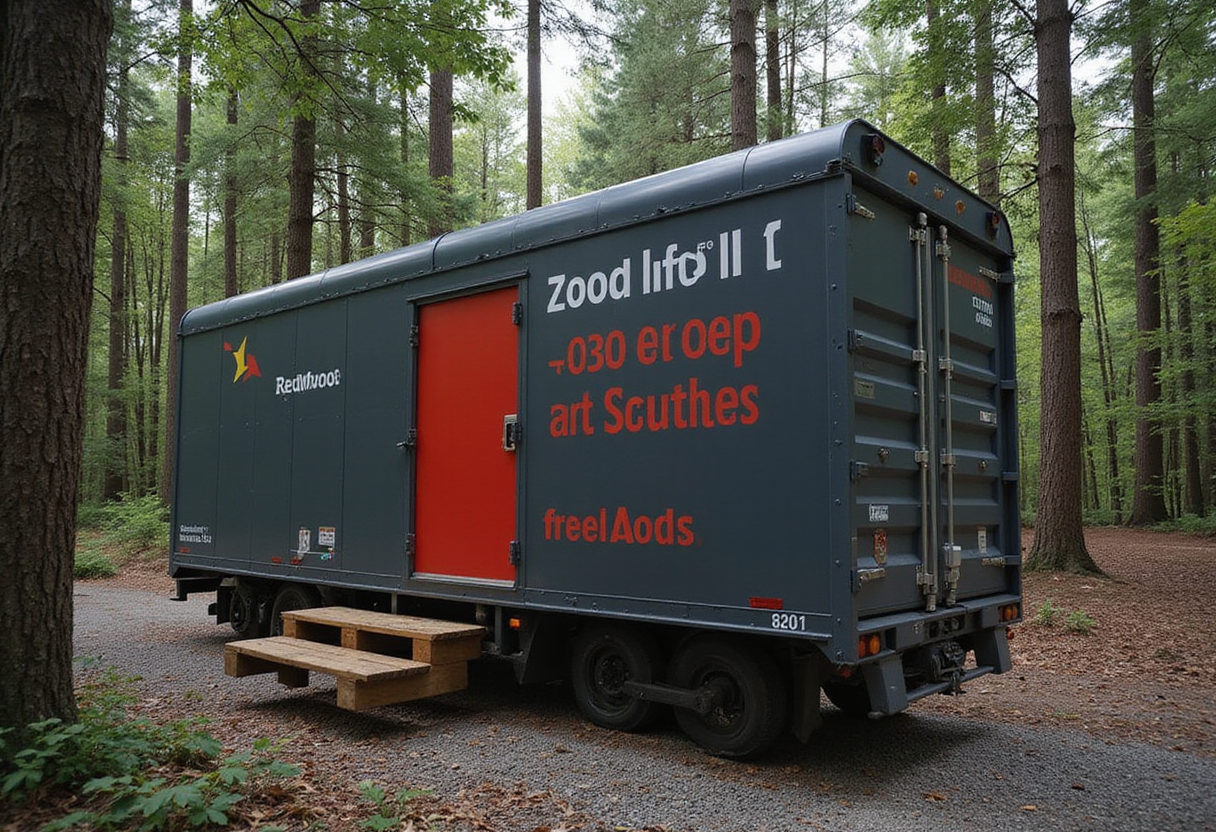
Rivian will install a battery energy storage system rated at 10 megawatt-hours at its electric vehicle plant in Normal, Illinois, built from more than 100 second-life battery packs from its own vehicles.
The company announced the partnership with Redwood Materials, the Nevada-based battery recycling and energy specialist led by founder and CEO JB Straubel. Redwood will integrate the retired packs into a Redwood Energy system supported by its Pack Manager technology, which allows the stored energy to be used directly on-site at the Normal facility.
The initial design target is 10 MWh of dispatchable energy. Rivian says the system will cut costs and reduce grid load during peak demand periods at the plant — a facility that builds the R1T, R1S and commercial van lines and has long been the company's sole assembly site as it prepares to bring its Georgia plant online.
For now, the 10 MWh figure is a stated initial design capacity, not a measured output from an operational system. Neither company has disclosed a commissioning date, the project's investment value, or the expected share of plant electricity demand the system will cover. Both frame the partnership as a first step toward a broader model.
The second-life logic
The engineering case rests on a straightforward premise: EV batteries routinely outlast the vehicles around them. A pack retired from a Rivian vehicle still holds substantial usable capacity, and stationary storage imposes far gentler duty cycles than propulsion. Redwood's Pack Manager technology handles the integration, matching degraded but functional packs into a coherent grid-connected system.
Rivian founder and CEO RJ Scaringe positioned the project as part of a larger energy strategy rather than a standalone sustainability play.
"EVs represent a massive, distributed and highly competitive energy resource," Scaringe said. "As energy needs grow, our grid needs to be flexible, secure, and affordable. Our partnership with Redwood enables us to utilize our vehicle's batteries beyond the life of a vehicle and contribute to grid health and American competitiveness."
Straubel, the former Tesla CTO, framed the constraint in industrial terms: electricity demand is growing faster than grid expansion can follow, and retired battery packs already sitting in the U.S. fleet represent capacity that can be mobilized on a timeline utilities cannot match.
"Electricity demand is accelerating faster than the grid can expand, posing a constraint on industrial growth," Straubel said. "At the same time, the massive amount of domestic battery assets already in the U.S. market represents a strategic energy resource. Our partnership with Rivian shows how EV battery packs can be turned into dispatchable energy resources, bringing new capacity online quickly, supporting critical manufacturing, and reducing strain on the grid without waiting years for new infrastructure. This is a scalable model for how we add meaningful energy capacity in the near term."
What to watch
The announcement is an intention, not a commissioned asset. Key verification points: when the 10 MWh system actually comes online at Normal, how much peak-load reduction it delivers against the plant's total consumption, and whether Rivian and Redwood replicate the model at other sites or scale the Normal installation beyond its initial capacity. The answer to the last question will determine whether second-life pack storage becomes a genuine manufacturing-utility strategy or a demonstration project.
via rivian.com (Original)
More from Daniel Okafor
Show full bio
Senior reporter covering marketplaces and e-commerce at Autoplant Brief.
111 articles
Also circulated
- Rivian Taps Redwood Materials for Recycled-Battery Power at EV Plant
- Rivian Asks Illinois to Cut Its Normal EV Plant Valuation to $115 Million
- Rivian Releases New Renderings of SOM-Designed Georgia EV Plant
- Rivian Lifts Georgia Plant Target to 300,000 Units
- Rivian Sketches Museum, Cabins and Test Track for Georgia Plant